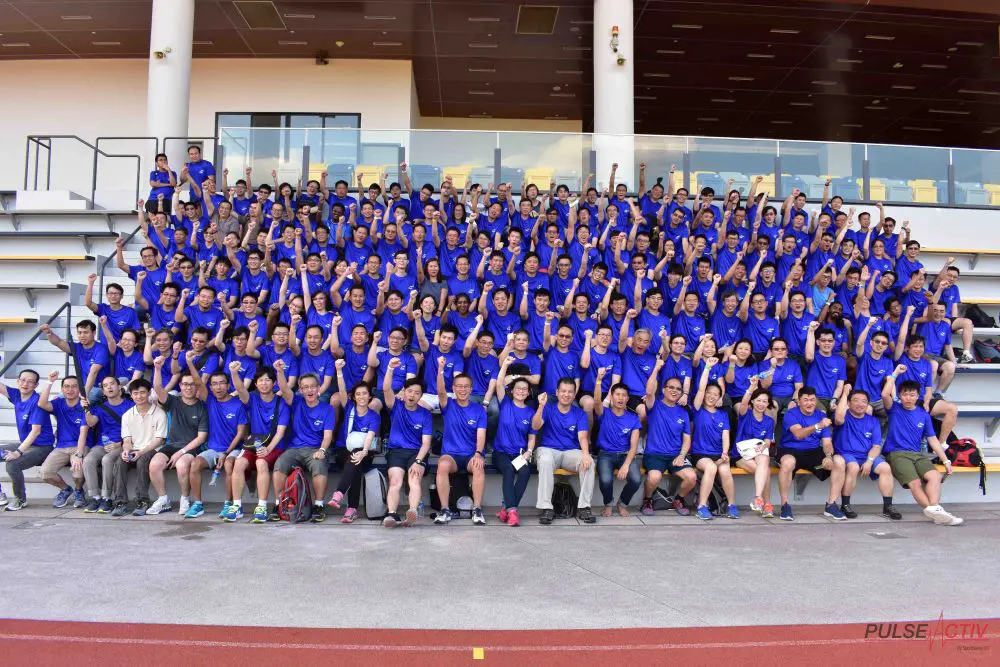
Planning a corporate team building event in Singapore involves six key steps: define your objectives, understand your group profile, set a realistic budget, choose the right format and vendor, manage logistics and execution, and review outcomes after the event. While these steps sound straightforward, the difference between a well-received event and one that feels average usually comes down to how well everything is put together, not just the activity itself.
Most organisations start with a general intention, and that is completely normal.
Common overall objectives include:
Beyond this, it helps to define more specific outcomes such as stronger teamwork, improved cross-department communication, or problem-solving under pressure.
The key is not to force these outcomes through instruction, but to design a programme where they happen naturally through participation.
The same programme can feel completely different depending on the group. Key considerations include:
For example, more active groups may enjoy dynamic high-energy formats. Reserved or mixed groups often need stronger facilitation and clearer structure. Cross-departmental teams benefit from formats that mix participants intentionally.
Matching the programme to the group is one of the biggest drivers of engagement. A well-designed programme for the wrong audience will still underdeliver.
Budget shapes the overall experience more than most people expect. In Singapore, team building events for large corporate groups typically range from $80 to $200 or more per person.
At the lower end of that range, expectations need to be managed carefully, especially if you are trying to include a quality venue, food, a full facilitated programme, and prizes within a tight budget.
In many cases, elements such as prize design, programme structure, and facilitation quality have a stronger impact on how the event feels than venue spend alone. A useful rule of thumb: allocate prizes for approximately 30 to 40 percent of participants. This level of distribution tends to significantly improve energy and participation throughout the event.
Planning almost always involves balancing expectations. Clients often want a well-located venue, indoor and outdoor space, sufficient activity area, and everything within budget. While this is achievable, options that tick all these boxes are limited and book quickly.
In Singapore, there is always a venue available. The difference lies in how suitable it is, how well it supports the programme, and how much it costs. Planning earlier gives you better options. Planning later usually means compromising on at least one.
Timeline is consistently underestimated. As a general guide:
Starting early gives you better control over both cost and quality. Late bookings often mean fewer venue options, less programme customisation, and more pressure on execution.
Format plays a major role in engagement. Some commonly used formats for large Singapore corporate groups include:
The key is not the format itself, but how well it fits the group and how it is executed. A simpler programme that is well-run will almost always outperform a complex one that is poorly managed.
Venue selection in Singapore is often more complex than expected, and it is one of the most common sources of budget surprises.
It helps to understand the two broad types of venues available in Singapore for corporate team building events:
Neither is inherently better. The right choice depends on your budget, your group size, and how much coordination your team can absorb.
For outdoor events, popular choices include sports halls, covered courts, Hort Park, and Gardens by the Bay. Singapore’s weather is unpredictable, so always confirm a wet weather backup before signing anything.
Key items to confirm before committing to any venue:
Programme flow determines whether the event feels engaging or slow. A well-paced event should follow a clear arc from arrival to close.
A typical structure includes:
The main team building segment can be built around one strong central concept or a mix of different activities. Both approaches work, but they need to be structured properly.
A single concept creates a more immersive experience. A mixed format offers variety but needs smooth transitions to prevent the event from feeling fragmented. The right choice depends on your group, your objectives, and the time available.
How the event ends matters as much as how it begins. The closing segment shapes how participants remember the entire experience.
Endings that work well include a finale challenge, a mass activity involving all participants, or a meaningful group debrief. A strong close on a high note is far more memorable than a gradual wind-down.
Execution is where everything comes together, and where the gap between a well-run event and a disorganised one becomes immediately visible.
For an event of 80 to 100 participants, a professional facilitation team typically comprises 8 to 10 people: a lead emcee, support facilitators managing activity stations and sub-groups, registration crew handling arrivals and team assignments, and logistics support managing props, scoring, and equipment throughout the event. For groups crossing the 100-pax mark, the operational design changes, so planning changes too. Full breakdown in our planning team building for 100+ employees guide.
Key execution areas to manage:
If the session is short, for example under 45 minutes, an internal team can usually manage simple activities. For most structured team building events, especially larger ones, engaging a vendor leads to better outcomes.
That said, leaving everything entirely to the vendor is also not ideal. Having some level of input, particularly on group dynamics, objectives, and preferences, helps ensure the programme fits the team rather than simply filling a timeslot.
To get better recommendations from a vendor, it helps to provide:
Even if not everything is confirmed at the point of enquiry, having these details reduces back-and-forth and leads to more relevant proposals.
Once a vendor has been appointed, there is a refinement phase that many organisers overlook. This is the step between selecting a vendor and finalising the event details.
Key areas to work through with your vendor:
This step takes an hour of your time and prevents the majority of day-of surprises.
After the programme is confirmed, someone needs to actually brief the participants. For large corporate events, this step is often done last-minute and it shows.
A good pre-event communication should cover:
For large groups, a simple e-poster and a registration or attendance confirmation form helps the organiser track numbers and collect any information the vendor needs, such as dietary requirements or team assignments, well before event day.
A good team building event does not end when participants walk out the door. Following up after the event is what separates a well-organised experience from one that simply gets delivered and forgotten.
The most important feedback comes from the ground. Gathering responses directly from participants gives an honest picture of how the event actually landed. This could be a simple feedback form shared after the event, a quick show of hands during the debrief, or a short follow-up survey sent the next day.
Checking in with the organising team or HR contact helps confirm whether the overall objectives were met. Not every event will be perfect, and that is expected. What matters is having an honest conversation about what worked, what could be improved, and what might be done differently next time.
Photos taken during the event serve two purposes. They capture participant engagement and energy in real time, and they become lasting memories for participants. For the organising team, event photos are often useful for internal newsletters, company social media, or simply as a record of the day.
Once the event is complete, agreeing on the final numbers promptly is good practice for both sides. This includes confirming the final headcount, any additional costs incurred on the day, and ensuring the invoice reflects exactly what was agreed. Clean administration at the close of an event builds trust and makes future bookings smoother.
Some of the most common mistakes in team building planning include:
Another common issue is incorporating too much instructional or learning content into what should be an experiential session. When a programme becomes heavy or feels like a lecture, participants disengage quickly. The most effective team building allows learning to happen naturally through participation, not through instruction.
Before your event, confirm the following:
The biggest difference between a good and a poor team building event is not the activity itself. It is how well the entire experience is designed, paced, and delivered.
It is always a combination of factors working together: emcee and facilitation quality, programme design and flow, activity fit for the group, prize and recognition structure, venue comfort and suitability, and food and refreshments.
When these elements come together, the event feels smooth and engaging. When they do not align, participants can feel it within the first 30 minutes.
A well-run team building event does not feel long, even if it runs for four hours. A poorly planned one feels long within the first hour. That gap almost always comes down to programme design and execution, not the activities chosen.
The structure below is a general framework for a half-day corporate team building event. Exact timings will vary depending on your programme, headcount, venue, and whether the event runs in the morning or afternoon. Use this as a planning reference, not a fixed template.
T-60 min: Venue Setup and Facilitator Briefing
Facilitation team arrives to set up equipment, stations, materials, and props. Run sheet is confirmed with the internal event lead. Any last-minute headcount changes or group structure adjustments are handled here. Do not shorten setup time for large groups.
T+0: Participants Arrive and Registration
Participants check in, receive their team assignments, and collect any materials needed for the session. A holding activity or light music helps manage the energy while latecomers arrive. Do not hold the full group waiting beyond 10 to 15 minutes.
T+15 to 20: Welcome and Programme Briefing
Opening remarks from the emcee or a senior leader, followed by the facilitation team’s full activity briefing. Rules, team names, scoring (if applicable), and safety notes are covered here. A clear, energetic briefing sets the tone for the rest of the event.
T+30 to 35: Activity Begins
The main programme runs. For most half-day corporate events this is between 90 minutes and 2.5 hours. The facilitation team manages pacing, energy, and any issues that arise mid-session. Scoring or progress updates keep engagement high for competitive formats.
T+120 to 150: Finale and Scoring Announcement
For competitive formats, the finale and results announcement is the event’s high point. Prize presentation, team photos, and a brief debrief or reflection round off the programme. This is also the right moment for a short message from leadership if one has been planned.
T+150 to 180: Wind-Down, Food, and Pack-Up
Post-event refreshments or a meal if included. The facilitation team packs up equipment. Internal organiser confirms venue clearance time and checks there are no outstanding logistics. Group photos are typically done here if not already completed.
Your vendor will provide a detailed run sheet specific to your activity and headcount when you confirm the booking. The above is a planning reference to help you structure the day before that detail is available.
Read our guides about Corporate Team Building Budget Guide, Team Building Planning Timeline Guide and Choosing the Right Venue.
Contact us here to enquiry more or discuss about your event. Click here to read more articles like this.
Smaller events require around 3 to 6 weeks of lead time. Even 1 month can be quite tight if you need a specific venue or date. For larger events of 80 pax and above, it is advisable to plan 1 to 6 months in advance to allow time for venue sourcing, programme customisation, and internal coordination.
For large corporate groups, most professionally facilitated events range from $80 to $200 or more per person. The final cost depends on group size, venue, duration, programme format, and level of customisation.
For short sessions under 45 minutes, internal teams can usually manage simple activities. For most structured team building events, especially larger ones, engaging a vendor helps ensure better programme design, smoother execution, and a more consistent experience.
Venues where you pay rental and catering separately (typically $25 to $40 per person all-in, with more coordination required) and venues where food is bundled into the package, such as hotels or convention centres (starting from $45 per person and up). Both work well depending on budget and how much coordination your team can manage.
For active team building activities, a venue that seats your group comfortably may not provide enough space for the programme. Depending on the activity, you may need 2 to 3 times the standard theatre-style seated footprint. Always confirm activity space requirements with your vendor before booking a venue.
At minimum, participants should know the date, time, location, and what to wear. For large events, collecting dietary requirements and attendance confirmation in advance also saves significant time on event day. A simple e-poster and registration form works well for most corporate groups.
Team bonding is usually more casual and focused on interaction and enjoyment. Team building is more structured, with programmes designed to drive engagement, participation, and specific outcomes such as collaboration, communication, or cross-team relationship building.