Categories
Blogs

Warnings for When Planning an Outdoors Team Building Event

Warnings for When Planning an Outdoors Team Building Event

Organizing an outdoor team building event can be a fantastic way to enhance teamwork, communication, and morale. However, it comes with its own set of challenges and potential pitfalls. Here are some crucial warnings to consider to ensure your event is successful and enjoyable for all participants.

1. Weather Conditions

Unpredictability: The weather is one of the biggest variables in planning an outdoor event. Sudden rainstorms, extreme heat, or unexpected cold can derail your plans, making the event uncomfortable or even dangerous for participants.

Preparation: Always have a backup plan, such as an indoor venue or tents, and ensure participants are informed about potential weather changes. Provide guidelines on appropriate clothing and gear for varying weather conditions. Consider having weather alerts set up and keeping a close eye on forecasts in the days leading up to the event.

2. Safety Concerns

Physical Hazards: Outdoor environments can present physical risks such as uneven terrain, slippery surfaces, and potential wildlife encounters.

Risk Assessment: Conduct a thorough risk assessment of the location and activities planned. Ensure all participants are aware of the potential hazards and provide safety briefings and necessary equipment. Have safety measures and protocols in place, such as marked safe zones and clearly defined boundaries.

3. Health Issues

Participant Health: Outdoor activities can be strenuous, and not all team members may be in the same physical condition. Overexertion, dehydration, and sunstroke are common issues that can arise.

Health Screenings: It’s important to know the health status of your participants. Consider asking for medical information and ensure you have first aid supplies and trained personnel on hand. Encourage participants to communicate any health concerns they may have in advance.

4. Accessibility

Inclusivity: Not all outdoor locations are accessible to everyone, particularly those with disabilities. Uneven ground and lack of proper facilities can exclude some team members.

Site Selection: Choose a venue that is accessible to all team members, ensuring there are adequate facilities such as ramps, restrooms, and seating areas. Ensure the chosen activities can be modified to accommodate everyone.

5. Environmental Impact

Eco-Friendliness: Outdoor events can have a significant impact on the environment, from littering to disturbing local wildlife.

Sustainability: Plan your event with sustainability in mind. Use eco-friendly materials, ensure proper waste disposal, and respect the natural surroundings. Encourage participants to leave no trace and to be mindful of their environmental footprint.

6. Logistics and Transportation

Coordination Challenges: Coordinating transportation to and from the event location can be complicated, especially if the site is remote.

Transportation Plan: Arrange reliable transportation options and ensure clear communication about meeting points and schedules. Consider carpooling or providing shuttle services to minimize logistical issues. Have contingency plans in case of transportation delays or issues.

7. Permits and Regulations

Legal Requirements: Many outdoor venues require permits for events, and there may be specific regulations to follow. Failure to comply can result in fines or cancellation of the event.

Compliance: Research and obtain any necessary permits well in advance. Familiarize yourself with local regulations to avoid fines or event cancellation. Ensure all activities comply with legal and environmental guidelines.

8. Communication and Coordination

Information Gaps: Miscommunication or lack of information can lead to confusion and frustration among participants.

Clear Instructions: Provide detailed information about the event schedule, location, activities, and any required equipment. Use multiple communication channels to ensure everyone is well-informed. Have a clear point of contact for any questions or issues that arise.

9. Budget Overruns

Unexpected Costs: Outdoor events can incur unexpected costs, from equipment rental to emergency expenses. These can quickly add up and blow your budget if not carefully managed.

Budget Planning: Create a detailed budget that includes a contingency fund for unforeseen expenses. Track your spending closely to stay within budget. Plan for all potential costs, including permits, insurance, and last-minute changes.

10. Team Dynamics

Interpersonal Conflicts: Team building activities can sometimes exacerbate existing conflicts or create new tensions. These can disrupt the event and affect team morale.

Conflict Management: Be prepared to manage conflicts diplomatically. Choose activities that promote cooperation and positive interaction, and have strategies in place to address any issues that arise. Consider having a neutral facilitator to manage dynamics and encourage positive engagement.

11. Participant Engagement

Lack of Interest: Not all team members may be equally enthusiastic about outdoor activities. Disengaged participants can detract from the overall experience.

Activity Selection: Select a variety of activities to cater to different interests and fitness levels. Engage participants in the planning process to ensure they feel invested in the event. Provide opportunities for feedback to ensure activities are enjoyable and inclusive.

12. Emergency Preparedness

Unforeseen Emergencies: Emergencies can occur, from medical issues to severe weather. These can quickly escalate if not properly managed.

Emergency Plan: Have a comprehensive emergency plan in place. Ensure all participants know the emergency procedures and have access to emergency contacts and first aid resources. Conduct a safety briefing at the start of the event and designate roles for emergency response.

13. Equipment and Supplies

Shortages: Running out of necessary supplies or having faulty equipment can hinder the event. This can lead to frustration and a less enjoyable experience.

Inventory Management: Create a detailed checklist of all required equipment and supplies. Conduct a thorough inventory check before the event and ensure you have extras of critical items. Have a plan for quickly replacing or repairing any faulty equipment.

By being aware of these potential warnings and taking proactive steps to address them, you can ensure your outdoor team building event is safe, enjoyable, and successful. Planning ahead and considering the diverse needs and preferences of your team will create a positive and memorable experience for everyone involved.

To head back to read another article in our blog, click here

Categories
Blogs

Outdoors Vs Indoors Team Building: Why outdoor events somehow have the edge over indoor events in terms of popularity

Outdoors Vs Indoors Team Building: why outdoor events have the edge over indoor events in terms of popularity

In recent years, outdoor team-building events have gained immense popularity among organizations and their employees. This shift towards outdoor activities is driven by various factors that enhance team cohesion, employee well-being, and overall productivity. While indoor team-building activities have their merits, here’s why outdoor events are becoming the preferred choice for many companies.

1. Enhanced Well-Being and Mental Health

Fresh Air and Nature’s Influence

Spending time outdoors has significant benefits for mental health and well-being. The natural environment reduces stress levels, boosts mood, and enhances overall mental clarity. Fresh air and sunlight invigorate employees, providing a much-needed break from the confines of indoor office spaces. This natural rejuvenation can lead to increased creativity, better problem-solving skills, and a more positive outlook among team members.

Physical Activity

Outdoor team-building events often involve physical activities such as hiking, sports, or adventure challenges. Engaging in physical activity helps employees stay active and healthy, promoting physical fitness and reducing the risk of lifestyle-related health issues. Additionally, physical exercise releases endorphins, which improve mood and energy levels, contributing to a more vibrant and motivated team. While indoor activities can also be physically engaging, the scope and variety of outdoor activities provide a more holistic approach to health and wellness.

2. Improved Team Dynamics

Breaking the Monotony

Being outside the usual office environment allows team members to break free from their daily routines and interact with each other in a more relaxed and informal setting. This change in scenery helps break down hierarchical barriers and fosters open communication and camaraderie among team members. The informal atmosphere encourages employees to share ideas, collaborate more freely, and build stronger personal connections.

Encouraging Collaboration

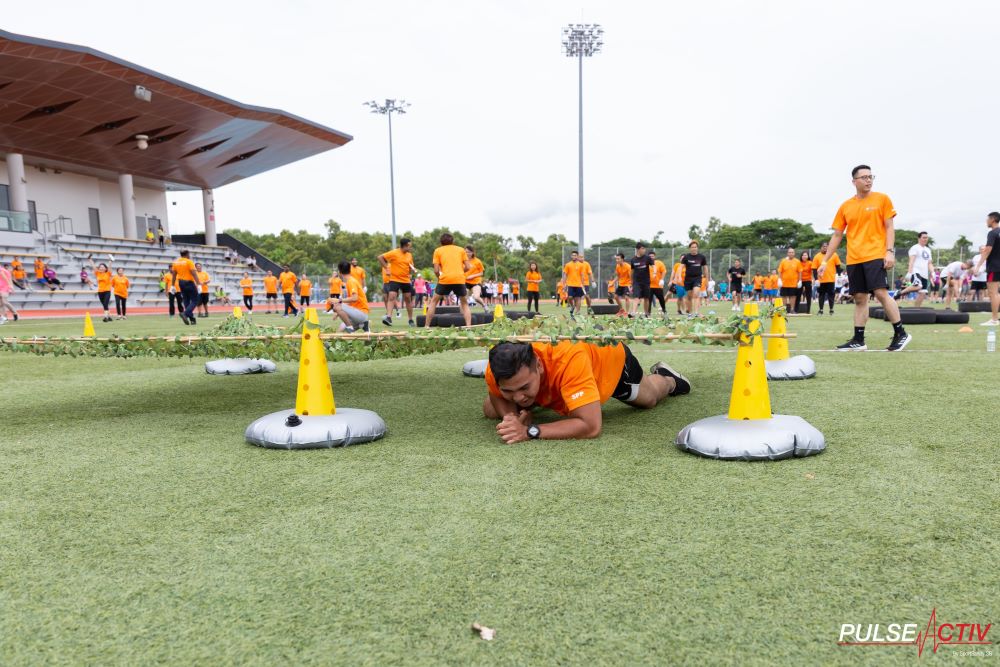
Outdoor activities often require teamwork and collaboration to achieve common goals. Whether it’s navigating an obstacle course, participating in a scavenger hunt, or working together in a team sport, these activities promote cooperation and mutual support. Employees learn to rely on each other’s strengths, communicate effectively, and work towards a shared objective, which translates into improved collaboration back in the workplace. Indoor activities can also promote collaboration, but the dynamic and often unpredictable nature of outdoor challenges brings a unique and engaging aspect to teamwork.

3. Boosting Creativity and Innovation

Stimulating Environment

Nature provides a stimulating environment that can spark creativity and innovative thinking. The change of scenery and exposure to new surroundings can inspire fresh perspectives and ideas. When employees step out of their usual workspaces and immerse themselves in nature, they are more likely to think outside the box and come up with creative solutions to problems.

Mindfulness and Reflection

Outdoor team-building events often incorporate elements of mindfulness and reflection. Activities like nature walks, meditation sessions, or simply spending quiet time in nature encourage employees to slow down, reflect, and gain clarity. This mindfulness practice can lead to better focus, increased self-awareness, and improved decision-making abilities, all of which contribute to a more innovative and productive team. While indoor spaces can be designed for mindfulness, the natural setting amplifies these benefits.

4. Strengthening Company Culture

Shared Experiences

Outdoor team-building events create shared experiences that strengthen the bonds between team members and reinforce a sense of community within the organization. These shared memories and experiences contribute to a positive and inclusive company culture. Employees who feel connected to their colleagues and the organization are more likely to be engaged, loyal, and motivated to contribute to the company’s success.

Celebrating Achievements

Outdoor events provide a perfect platform to celebrate achievements and milestones in a fun and engaging way. Recognizing and rewarding employees in an outdoor setting adds an element of excitement and enjoyment to the celebration. This positive reinforcement boosts morale and motivates employees to continue striving for excellence. Indoor celebrations can be enjoyable, but the freedom and openness of outdoor spaces can make these moments even more memorable.

5. Adapting to Post-Pandemic Preferences

Safety and Social Distancing

The COVID-19 pandemic has significantly changed the way we work and interact. As companies navigate the post-pandemic landscape, outdoor team-building events offer a safer alternative to indoor gatherings. The open-air environment allows for better ventilation and more space to practice social distancing, reducing the risk of virus transmission. Employees feel more comfortable and secure participating in outdoor activities, which enhances their overall experience.

Flexibility and Adaptability

Outdoor events offer flexibility and adaptability in terms of planning and execution. They can be customized to suit different group sizes, preferences, and objectives. Whether it’s a small team retreat or a large company-wide event, outdoor settings provide ample opportunities to design engaging and impactful activities that cater to diverse needs and goals. While indoor events can be flexible, the versatility of outdoor spaces adds an extra layer of customization.

Conclusion

The preference for outdoor team-building events is driven by a combination of factors that enhance employee well-being, improve team dynamics, boost creativity, strengthen company culture, and adapt to post-pandemic preferences. By embracing the benefits of nature and the outdoors, organizations can create memorable and impactful team-building experiences that foster a cohesive, motivated, and high-performing team. While indoor activities have their place, the unique advantages of outdoor events make them a popular and effective choice for achieving team-building goals in today’s dynamic work environment.

To head back to read another article in our blog, click here

Outdoor team building event