Categories
Blogs

Leveraging Team-Building Activities for Talent Development

Leveraging Team-Building Activities for Talent Development

In today’s dynamic business landscape, organizations are increasingly recognizing the value of team-building activities beyond their traditional role of fostering camaraderie and collaboration. When strategically integrated into talent development and leadership training programs, these activities can serve as powerful tools for enhancing employee skills, identifying potential leaders, and aligning individual goals with organizational objectives. This article explores how team-building events can be leveraged for talent development and offers practical suggestions for HR to seamlessly incorporate these activities into broader talent management strategies.

1. Team-Building as a Catalyst for Skill Enhancement

1.1 Developing Soft Skills

Team-building activities are excellent for honing essential soft skills such as communication, problem-solving, and conflict resolution. Activities that require participants to work together towards a common goal encourage individuals to practice active listening, articulate their ideas clearly, and negotiate effectively. For instance, a collaborative challenge that requires team members to plan and execute a project can provide valuable insights into each participant’s ability to contribute constructively and manage interpersonal dynamics.

1.2 Enhancing Critical Thinking and Decision-Making

Complex team-building exercises often involve scenarios that mimic real-world challenges, providing a platform for employees to showcase and develop their critical thinking and decision-making skills. Activities such as escape rooms or strategic games compel participants to analyze information, weigh alternatives, and make informed decisions under pressure. These experiences can be directly translated into improved performance in their professional roles.

2. Identifying and Cultivating Leadership Potential

2.1 Observing Leadership Qualities

Team-building events offer a unique opportunity to observe and assess leadership qualities in action. Activities that require delegation, strategic planning, and motivation of team members can highlight individuals with natural leadership tendencies. HR professionals can use these insights to identify potential leaders and tailor development programs that foster their growth.

2.2 Providing Leadership Experience

Allowing employees to take on leadership roles during team-building activities can provide them with valuable experience and build their confidence. For example, rotating the role of team leader or assigning individuals to lead specific segments of a challenge can help them develop essential leadership skills, such as decision-making, conflict resolution, and team motivation.

3. Aligning Team-Building with Organizational Goals

3.1 Setting Clear Objectives

To maximize the impact of team-building activities on talent development, it is crucial to set clear objectives that align with the organization’s broader goals. Define what skills or competencies you aim to enhance through these activities and ensure they are in line with your talent management strategy. For instance, if the goal is to improve project management skills, choose activities that simulate project planning and execution.

3.2 Integrating with Performance Metrics

Linking team-building outcomes to performance metrics can provide a measurable impact on talent development. Use feedback from these activities to evaluate individual and team performance against predefined criteria. This data can help HR professionals tailor future development initiatives and track progress over time.

4. Seamlessly Integrating Team-Building into Talent Management

4.1 Incorporating into Training Programs

Incorporate team-building activities into existing training programs to reinforce learning objectives. For example, combine workshops on leadership skills with team-building exercises that put those skills into practice. This approach ensures that employees not only learn theoretical concepts but also apply them in a practical context.

4.2 Creating a Continuous Development Cycle

Use team-building activities as part of a continuous development cycle rather than one-off events. Regularly scheduled activities can reinforce ongoing learning and development, keeping employees engaged and motivated. Consider integrating these activities into annual performance reviews, onboarding processes, and leadership development programs.

4.3 Encouraging Cross-Functional Collaboration

Design team-building activities that involve participants from different departments or functions. This approach fosters cross-functional collaboration and helps employees understand the broader organizational context. It also aids in breaking down silos and promoting a unified organizational culture.

5. Measuring and Evaluating Impact

5.1 Collecting Feedback

Gather feedback from participants after team-building activities to assess their effectiveness in achieving developmental goals. Surveys, interviews, and observation can provide valuable insights into how well the activities met their objectives and areas for improvement.

5.2 Analyzing Results

Analyze the feedback and performance data to measure the impact of team-building activities on talent development. Look for patterns and correlations that indicate improvements in skills, leadership qualities, and overall employee performance. Use these insights to refine future activities and enhance their alignment with organizational goals.

Conclusion

By strategically leveraging team-building activities as tools for talent development, organizations can enhance employee skills, identify and cultivate leadership potential, and align individual efforts with broader organizational objectives. HR professionals play a crucial role in integrating these activities into comprehensive talent management strategies, ensuring that they contribute effectively to both individual growth and organizational success.

To head back to read another article in our blog, click here

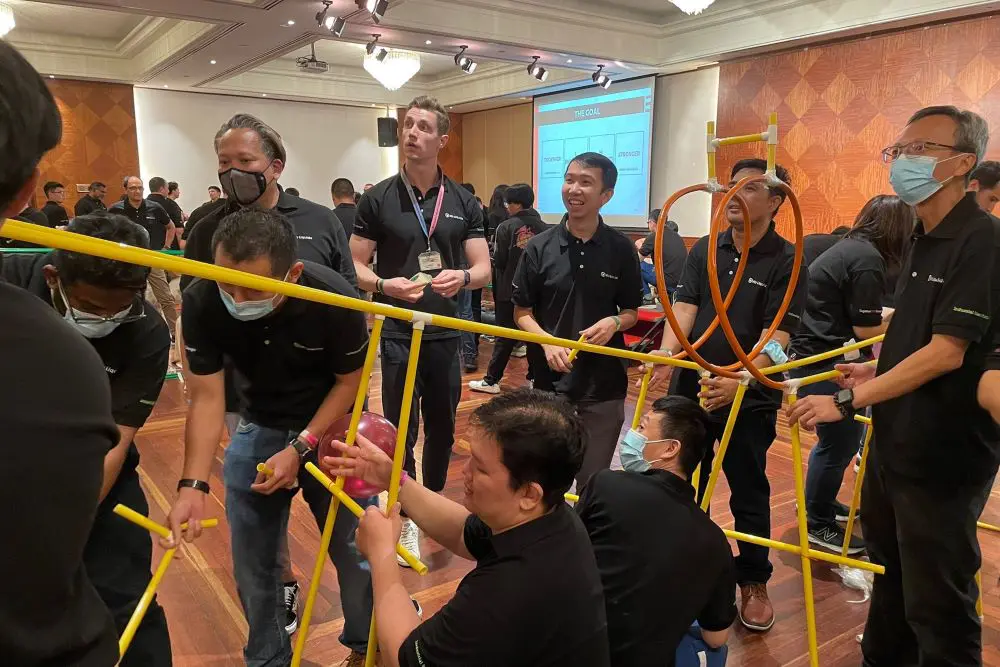
PulseActiv Team Building Indoor Activity
Categories
Blogs

Survival Skills and Teamwork: Wilderness Team Building Adventures

Survival Skills and Teamwork: Wilderness Team Building Adventures

In today’s fast-paced corporate world, fostering strong teamwork and resilience is crucial for success. One of the most effective ways to achieve this is through wilderness team-building adventures that teach survival skills. These outdoor experiences push teams to their limits, encouraging collaboration, problem-solving, and adaptability. In this article, we will explore various activities that teach survival skills and highlight how they enhance teamwork and foster resilience.

1. Orienteering and Navigation

Activity Overview: Orienteering involves navigating through unfamiliar terrain using maps and compasses. Teams must work together to find checkpoints and complete a course within a specified time.

Benefits for Teamwork:

  • Communication: Effective communication is essential to ensure the team stays on course and reaches each checkpoint.
  • Leadership: Team members take turns leading the group, fostering leadership skills.
  • Trust: Trust is built as team members rely on each other’s navigational skills and decision-making abilities.

2. Shelter Building

Activity Overview: Teams are tasked with building a shelter using natural materials found in the environment. This activity simulates a survival scenario where creating a safe and stable shelter is crucial.

Benefits for Teamwork:

  • Collaboration: Team members must work together to gather materials and construct the shelter.
  • Problem-Solving: Teams need to think critically about the best way to build a durable and protective shelter.
  • Creativity: The use of natural materials encourages innovative thinking and creative problem-solving.

3. Fire Starting

Activity Overview: Starting a fire without modern tools is a vital survival skill. Teams learn various fire-starting techniques, such as using flint and steel, and practice building and maintaining a fire.

Benefits for Teamwork:

  • Patience and Persistence: Fire starting requires patience and perseverance, teaching teams to stay focused under pressure.
  • Resource Management: Teams must manage their resources carefully to keep the fire burning.
  • Team Support: Team members support each other through the challenges of starting and maintaining a fire, fostering a sense of unity.

4. Wilderness First Aid

Activity Overview: Teams are trained in basic wilderness first aid, including treating injuries, creating splints, and performing CPR. This activity emphasizes the importance of being prepared for emergencies.

Benefits for Teamwork:

  • Responsibility: Team members learn to take responsibility for each other’s safety and well-being.
  • Decision-Making: Quick and effective decision-making is crucial in emergency scenarios.
  • Empathy: Providing first aid requires empathy and compassion, strengthening interpersonal connections.

5. Water Sourcing and Purification

Activity Overview: Finding and purifying water is essential for survival. Teams must locate a water source and use various purification methods, such as boiling or using purification tablets.

Benefits for Teamwork:

  • Resourcefulness: Teams learn to utilize available resources effectively.
  • Collaboration: Working together to find and purify water fosters a sense of camaraderie.
  • Critical Thinking: Teams must think critically about the safest and most efficient methods for water purification.

6. Survival Scenarios

Activity Overview: Simulated survival scenarios, such as being stranded or lost, require teams to use their survival skills to navigate challenges and find solutions.

Benefits for Teamwork:

  • Adaptability: Teams learn to adapt to changing situations and think on their feet.
  • Resilience: Overcoming simulated survival challenges builds mental and emotional resilience.
  • Unity: Facing challenges together strengthens team bonds and creates a sense of unity.

Benefits of Wilderness Team Building Adventures

  1. Enhanced Communication: Effective communication is critical in survival situations. Teams learn to convey information clearly and efficiently, improving overall communication skills in the workplace.
  2. Strengthened Leadership Skills: Wilderness adventures provide opportunities for team members to step into leadership roles, fostering leadership development and confidence.
  3. Increased Trust and Collaboration: Trust is built as team members rely on each other’s skills and judgment. Collaborative problem-solving becomes second nature, enhancing teamwork in professional settings.
  4. Improved Problem-Solving Abilities: Survival scenarios require creative and critical thinking. Teams learn to approach problems from different angles, leading to innovative solutions.
  5. Greater Resilience: Facing and overcoming challenges in the wilderness builds resilience, teaching teams to stay calm and focused under pressure.
  6. Boosted Morale and Team Spirit: The shared experience of a wilderness adventure creates lasting memories and a sense of accomplishment, boosting team morale and spirit.

Conclusion

Wilderness team-building adventures that teach survival skills offer a unique and effective way to enhance teamwork, resilience, and collaboration. By navigating challenging outdoor environments, teams learn to communicate effectively, solve problems creatively, and support each other through adversity. These experiences not only strengthen team bonds but also equip teams with valuable skills that translate into the workplace. Embrace the wild and watch your team thrive in ways you never thought possible.

To head back to read another article in our blog, click here

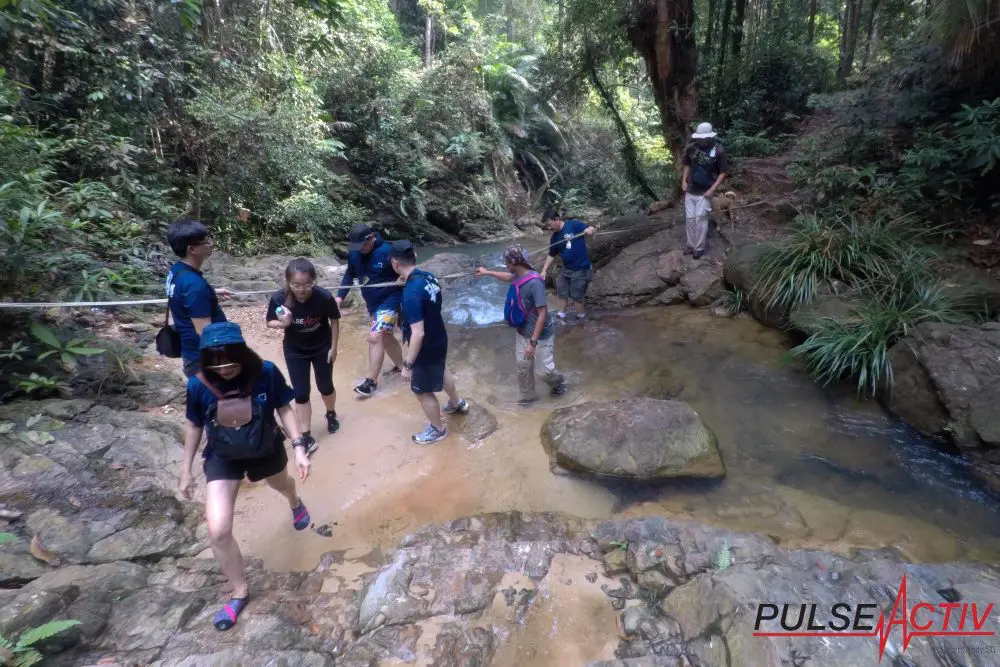
Team Building Events Gallery - Group Photo Overseas Retreat Malaysia Trekking
Categories
Blogs

Designing a Pilates Team-Building Program for Your Team

Designing a Pilates Team-Building Program for Your Team

Integrating Pilates into team-building activities can offer significant benefits, from enhanced physical health to improved mental clarity and team cohesion. To maximize these benefits, it’s essential to design a well-structured Pilates program tailored to your team’s specific needs. This article will guide you through steps 1, 2, and 3 of designing an effective Pilates team-building program.

Step 1: Creating a Welcoming Environment

Selecting the Venue: Choose a comfortable and spacious venue for the Pilates session. This could be a large conference room, an outdoor space, or a dedicated fitness area. Ensure that the venue is free from distractions and has adequate ventilation and lighting.

Providing the Necessary Equipment: Equip the venue with the necessary Pilates gear, such as mats, resistance bands, Pilates balls, and foam rollers. Having enough equipment for all participants ensures that everyone can fully engage in the exercises.

Setting the Ambiance: Create a calming and inviting atmosphere by playing soft background music and dimming the lights if possible. A peaceful environment can help participants relax and focus on the exercises.

Ensuring Comfort: Make sure the space is clean and that participants have access to water and towels. Comfortable clothing should be encouraged to allow for free movement during the session.

Step 2: Incorporating Team-Building Elements

Partner Exercises: Pair team members for exercises that require cooperation and trust. For example, partner stretches or synchronized movements can build camaraderie and mutual support.

Group Challenges: Introduce group activities that require teamwork to complete. For instance, a group plank challenge where team members encourage each other to hold the position for as long as possible can foster a sense of collective achievement.

Mindfulness and Reflection: End the session with a mindfulness exercise where team members reflect on the experience and share their thoughts. This can promote open communication and a deeper understanding of each other’s perspectives.

Interactive Warm-ups and Cool-downs: Start and end the session with interactive exercises that encourage social interaction and team bonding. Icebreakers during warm-ups can make participants feel more comfortable, while group discussions during cool-downs can provide a platform for sharing experiences and insights.

Step 3: Evaluating the Impact

Feedback and Reflection: Collect feedback from participants to understand their experiences and gather suggestions for future sessions. Encourage open dialogue about how the Pilates session impacted their physical well-being, mental clarity, and team dynamics.

Measuring Success: Evaluate the success of the Pilates team-building activity based on the initial objectives. Look for improvements in team communication, morale, and overall productivity. Consider conducting follow-up sessions to maintain and build on the benefits.

Continuous Improvement: Use the feedback to refine and improve future Pilates sessions. Address any challenges or issues raised by participants and explore new exercises or activities that can further enhance the team-building experience.

Documenting Progress: Keep a record of each session, including participant feedback and observed outcomes. This documentation can help track progress over time and demonstrate the long-term benefits of incorporating Pilates into your team-building strategy.

Conclusion

Designing an effective Pilates team-building program involves careful planning and consideration of your team’s unique needs. By creating a welcoming environment, incorporating team-building elements, and evaluating the impact, you can ensure that your Pilates sessions are both enjoyable and beneficial. With the right approach, Pilates can become a powerful tool for enhancing team cohesion, communication, and overall well-being.

By following these steps, you can create a dynamic and supportive team that is better equipped to handle the challenges of the modern workplace. Embrace the power of Pilates and watch your team flourish both physically and mentally.

To head back to read another article in our blog, click here

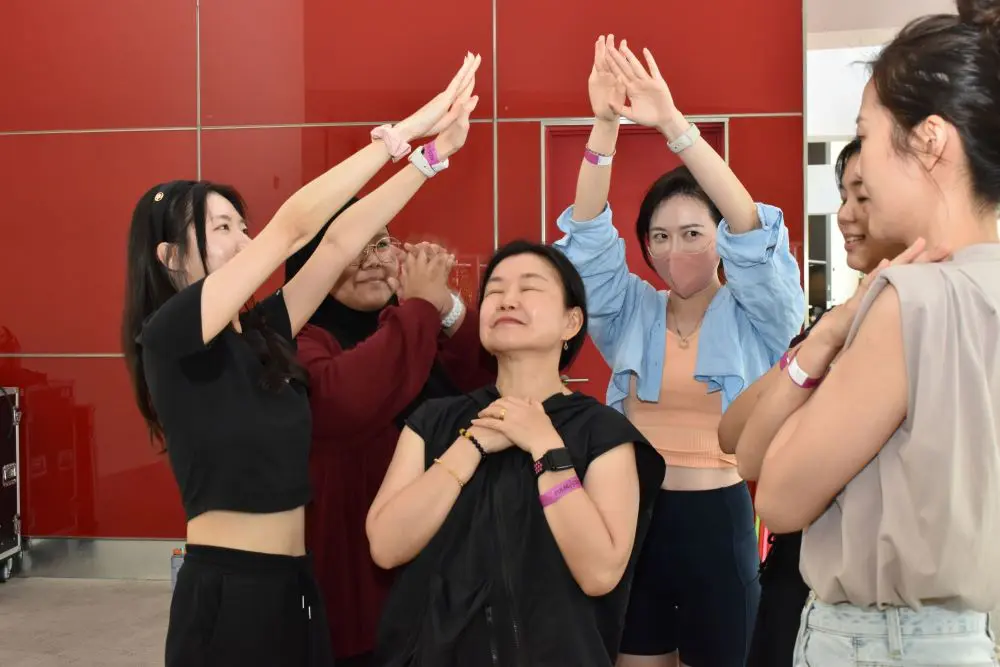
Breathe Pilates
Categories
Blogs

Incorporating Local Culture into Your Team-Building Events

Incorporating Local Culture into Your Team-Building Events

Team-building activities are essential for fostering collaboration, improving communication, and enhancing overall team performance. Integrating local culture into these activities can make them more engaging and memorable, providing participants with a unique and enriching experience. Singapore, with its diverse cultural heritage, offers a plethora of opportunities to incorporate local traditions, history, and customs into team-building events. Here are some suggestions on how to integrate Singapore’s rich cultural heritage into your team-building activities:

1. Heritage Trails and Cultural Quests

Organize a heritage trail or cultural quest that takes teams through Singapore’s historic neighborhoods, such as Chinatown, Little India, and Kampong Glam. Participants can engage in activities like treasure hunts, solving riddles, and completing tasks that require them to learn about the history, architecture, and significance of these areas. This not only promotes teamwork but also deepens participants’ understanding and appreciation of Singapore’s multicultural heritage.

2. Traditional Arts and Crafts Workshops

Arrange workshops where team members can try their hand at traditional arts and crafts. Activities such as batik painting, Peranakan beadwork, or Chinese calligraphy provide a hands-on experience of Singapore’s artistic traditions. These workshops encourage creativity, patience, and attention to detail, while also allowing team members to bond over a shared cultural activity.

3. Culinary Challenges with Local Flavors

Food is an integral part of Singaporean culture. Organize a culinary challenge where teams have to prepare local dishes like Hainanese chicken rice, laksa, or satay. This can be done in a kitchen setting or as part of a food trail where teams visit different hawker stalls to taste and learn about the origins of these dishes. Culinary challenges promote teamwork, time management, and creativity, while also providing a delicious way to experience local culture.

4. Cultural Performances and Role-Playing

Incorporate elements of traditional cultural performances into your team-building activities. Arrange for teams to learn and perform segments of traditional dances such as the Chinese lion dance, Malay dikir barat, or Indian bharatanatyam. Alternatively, you can organize role-playing scenarios where teams enact historical events or cultural stories. These activities encourage teamwork, communication, and a deeper understanding of Singapore’s cultural diversity.

5. Language and Cultural Workshops

Host workshops where participants can learn basic phrases in Singapore’s official languages: Malay, Mandarin, Tamil, and English. Include activities that teach about cultural etiquette, traditional customs, and celebrations such as Hari Raya, Chinese New Year, or Deepavali. Understanding and respecting different cultures fosters a more inclusive and harmonious team environment.

6. Volunteering and Community Engagement

Engage in community service projects that allow teams to give back while learning about local culture. Volunteer at heritage sites, participate in clean-up drives at culturally significant locations, or organize events for underprivileged communities that celebrate local traditions. These activities build a sense of social responsibility and unity among team members.

7. Storytelling and Oral History Sessions

Invite local historians or community elders to share stories and oral histories about Singapore’s past. Follow this with a team activity where participants create their own stories or skits based on what they’ve learned. Storytelling sessions can enhance listening skills, creativity, and empathy, while also preserving and passing on cultural knowledge.

8. Cultural Games and Sports

Introduce traditional games and sports into your team-building activities. Play sepak takraw, a traditional Malay sport, or Chinese chess (xiangqi). These games can be both fun and competitive, encouraging strategic thinking, coordination, and teamwork.

9. Cultural Dress-Up and Photography

Organize a cultural dress-up day where team members wear traditional attire from Singapore’s various ethnic groups. Combine this with a photography session or a fashion show where teams present their outfits and share what they’ve learned about the cultural significance of their attire. This activity promotes cultural appreciation and creates lasting memories.

10. Interactive Museum Visits

Plan visits to Singapore’s museums, such as the National Museum of Singapore, the Asian Civilisations Museum, or the Peranakan Museum. Arrange for interactive tours or scavenger hunts within the museums, where teams have to find specific artifacts or answer questions related to exhibits. Museum visits can be both educational and entertaining, providing a rich cultural context for team-building activities.

Incorporating local culture into your team-building events not only makes them more engaging and memorable but also fosters a deeper connection and understanding among team members. By embracing Singapore’s rich cultural heritage, you can create meaningful experiences that resonate with participants and strengthen team cohesion.

To head back to read another article in our blog, click here

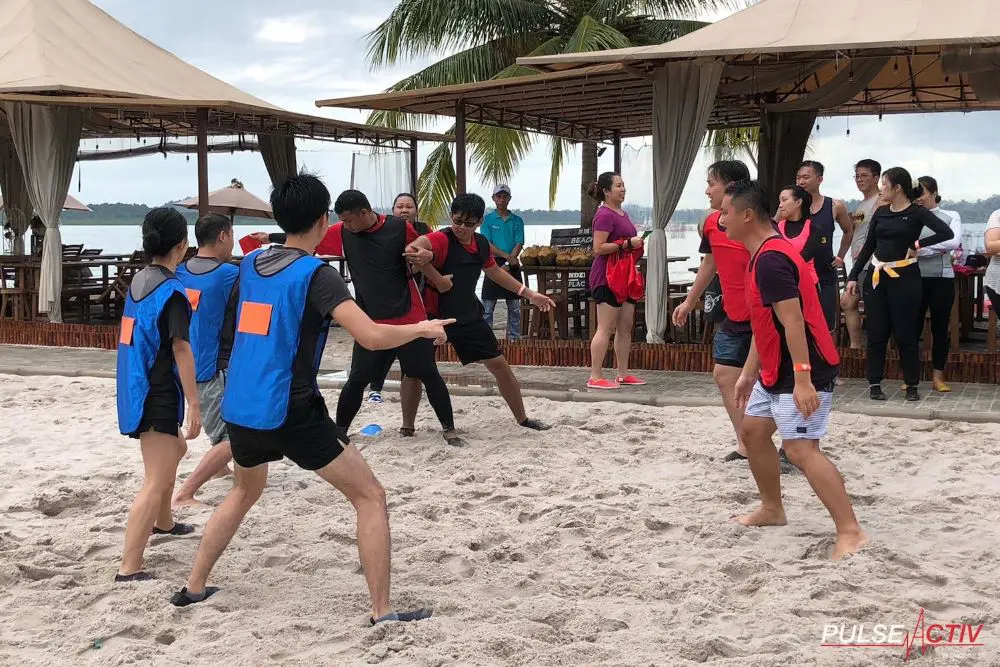
Team Building Events Gallery - Group Photo Overseas Retreat Beach Outdoor Bonding Running Man
Categories
Blogs

How to Customize Team-Building Programs for Different Industries

How to Customize Team-Building Programs for Different Industries

Team building is not a one-size-fits-all approach. Different industries have unique needs, challenges, and dynamics that require tailored solutions to foster effective collaboration, enhance communication, and drive productivity. Here’s how various industries such as tech, finance, and healthcare can tailor their own do-it-yourself team-building activities to fit their specific requirements.

Tech Industry: Fostering Innovation and Agile Collaboration

Hackathons and Innovation Challenges

In the fast-paced tech industry, fostering innovation and agile collaboration is crucial. Organize hackathons and innovation challenges where teams are tasked with developing new solutions or improving existing products within a limited timeframe. This encourages creative problem-solving and quick thinking, mirroring the real-world pressures tech professionals face.

Agile Team Workshops

To enhance collaboration, conduct workshops that focus on agile methodologies. These sessions can teach tech teams how to effectively use agile principles such as Scrum and Kanban, improving their ability to work together seamlessly on projects and adapt to changes quickly.

Coding and Development Competitions

Design coding competitions that not only test technical skills but also require teamwork and strategic planning. These events simulate real project scenarios where collaboration and communication are key to success.

Finance Industry: Building Trust and Strategic Thinking

Financial Simulations and Strategy Games

The finance industry thrives on strategic thinking and trust. Create financial simulations and strategy games where teams must manage virtual portfolios, make investment decisions, and navigate market fluctuations. These activities help finance professionals develop critical thinking skills and trust in their colleagues’ decision-making abilities.

Trust-Building Exercises

Given the high stakes and regulatory environment in finance, trust is paramount. Incorporate trust-building exercises, such as trust falls and blindfolded navigation challenges, to strengthen the bonds between team members. These activities promote transparency and reliability, essential qualities in the finance sector.

Crisis Management Scenarios

Finance professionals often deal with high-pressure situations. Develop crisis management scenarios that simulate financial crises where teams must work together to develop and implement strategies to mitigate risks and recover losses. These exercises enhance their ability to collaborate under pressure and make informed decisions swiftly.

Healthcare Industry: Enhancing Communication and Empathy

Medical Simulations and Role-Playing

In healthcare, effective communication and empathy are vital. Organize medical simulations and role-playing activities where team members must diagnose and treat patients in simulated environments. These scenarios improve communication skills and foster empathy among healthcare professionals, leading to better patient care.

Interdisciplinary Team Challenges

Healthcare teams are often interdisciplinary, comprising doctors, nurses, technicians, and administrators. Design challenges that require collaboration across these roles, enhancing their ability to work together harmoniously. These activities emphasize the importance of each team member’s contribution to patient outcomes.

Wellness and Resilience Workshops

The healthcare industry can be physically and emotionally demanding. Offer wellness and resilience workshops focusing on stress management, mindfulness, and self-care practices. These sessions help healthcare professionals maintain their well-being, ensuring they can provide the best care for their patients.

Customizing Team-Building for Maximum Impact

Understanding Industry-Specific Needs

To create effective team-building programs, start by understanding the specific needs and challenges of each industry. This involves consulting with team members to identify their goals, pain points, and the unique dynamics of their teams.

Designing Relevant Activities

Design activities that are not only engaging but also relevant to the industry’s context. This ensures that participants find the exercises meaningful and applicable to their day-to-day work.

Continuous Evaluation and Feedback

Continuously evaluate the effectiveness of your programs through feedback and performance metrics. This allows for refining activities and ensuring they deliver the desired outcomes, fostering stronger, more cohesive teams across various industries.

Conclusion

Customizing team-building programs for different industries is essential for maximizing their impact. By tailoring do-it-yourself activities to fit the unique needs of the tech, finance, and healthcare sectors, teams can overcome their specific challenges, enhance collaboration, and achieve their goals. Whether it’s fostering innovation in tech, building trust in finance, or enhancing communication in healthcare, bespoke team-building solutions drive success across industries.

To head back to read another article in our blog, click here

Dragonboat Mania Past Activity 1
Categories
Blogs

Savoring Success: Eating Challenges as a Team Building Activity

Savoring Success: Eating Challenges as a Team Building Activity

In the realm of team building activities, eating challenges might not be the first to come to mind. However, these culinary contests can be an exciting, engaging, and delicious way to bring team members together. By combining elements of fun, competition, and collaboration, eating challenges can help break down barriers, foster camaraderie, and enhance team spirit. Here’s how incorporating eating challenges into your team building strategy can benefit your workplace.

1. Breaking the Ice

Creating a Relaxed Atmosphere

Eating challenges provide a fun and informal setting for team members to interact. Whether it’s a spicy food challenge, a pie-eating contest, or a blindfolded taste test, these activities create a relaxed atmosphere where employees can let their guard down and enjoy themselves. This can be particularly beneficial for new team members or those who might be shy, helping them feel more comfortable and integrated into the group.

2. Encouraging Teamwork

Collaborative Culinary Contests

Many eating challenges can be designed to require teamwork and collaboration. For example, a relay-style eating challenge where team members take turns eating different items can encourage communication and strategy. Teams must work together to decide the order of participants, taking into account each person’s strengths and preferences. This fosters a sense of unity and cooperation, reinforcing the importance of working together to achieve a common goal.

3. Celebrating Diversity

Exploring Culinary Cultures

Food is a wonderful way to celebrate diversity and learn about different cultures. Organize eating challenges that involve dishes from various cuisines, allowing team members to share and experience each other’s culinary heritage. This not only broadens everyone’s gastronomic horizons but also promotes cultural understanding and appreciation. It’s an opportunity for employees to bond over shared experiences and discover commonalities despite their differences.

4. Boosting Morale

Fun and Laughter in the Workplace

There’s something inherently joyful about food, and eating challenges can inject a sense of fun and excitement into the workplace. The playful competition and humorous moments that arise during these activities can boost morale and create lasting memories. Laughter is a powerful tool for reducing stress and building positive relationships, making the workplace a happier and more enjoyable environment.

5. Enhancing Communication

Fostering Open Dialogue

Eating challenges often require participants to communicate and coordinate effectively. Whether it’s discussing strategies for a team-based eating contest or simply sharing thoughts on the flavors and textures of different foods, these activities can enhance communication skills. Team members learn to listen to each other, articulate their ideas, and provide constructive feedback, all of which are essential skills for a cohesive and productive team.

6. Building Resilience

Overcoming Challenges Together

Participating in eating challenges can also teach valuable lessons in resilience and perseverance. Whether it’s pushing through the heat of a spicy food challenge or completing a marathon eating contest, these activities require determination and mental fortitude. Overcoming these challenges together can strengthen the team’s resolve and foster a collective sense of achievement, reinforcing the idea that they can tackle difficult tasks as a united front.

7. Promoting Creativity

Inventive and Unique Challenges

Designing and participating in eating challenges can stimulate creativity and innovation. Encourage team members to come up with unique challenge ideas, such as creating the most inventive sandwich or decorating a cupcake in the most creative way. This not only makes the activities more engaging but also encourages out-of-the-box thinking and problem-solving skills, which can be beneficial in the workplace.

Implementing Eating Challenges in Your Team Building Strategy

To effectively incorporate eating challenges into your team building strategy, consider the following tips:

  • Know Your Team: Be mindful of dietary restrictions, allergies, and personal preferences to ensure everyone can participate comfortably.
  • Mix It Up: Vary the types of challenges to keep things interesting and cater to different tastes and interests.
  • Create a Safe Environment: Ensure that all activities are safe and non-threatening. Avoid excessively spicy or large quantities of food that could cause discomfort or harm.
  • Encourage Participation: Make participation voluntary and encourage everyone to join in, but don’t force anyone who feels uncomfortable.
  • Celebrate Achievements: Recognize and celebrate the efforts and achievements of all participants, whether they win or lose.

Conclusion

Eating challenges are a unique and enjoyable way to enhance team building. They break down barriers, foster teamwork, celebrate diversity, boost morale, enhance communication, build resilience, and promote creativity. By incorporating these activities into your team building strategy, you can create a more cohesive, engaged, and motivated team, ready to tackle any challenge that comes their way. So, why not spice up your next team building event with a delicious dose of culinary competition?

To head back to read another article in our blog, click here

Categories
Blogs

How to Address Common Challenges in Team Building

How to Address Common Challenges in Team Building

Team-building activities are essential for fostering collaboration, enhancing communication, and building cohesion within a team. However, these activities can sometimes face challenges that hinder their effectiveness. Identifying these common issues and providing practical solutions can ensure a successful team-building experience.

1. Lack of Engagement

Challenge: Team members may show a lack of interest or enthusiasm during team-building activities.

Solution:

Understand Team Preferences: Conduct a detailed survey or have one-on-one discussions to understand what types of activities your team members find engaging and enjoyable. This could include asking about past experiences with team-building activities, their hobbies, and what motivates them at work.

Incorporate Variety: Design a diverse range of activities that cater to different interests and personalities. For example:

  • Problem-solving tasks: Escape rooms or puzzle challenges for those who enjoy mental challenges.
  • Physical activities: Sports or adventure challenges for the physically active.
  • Creative challenges: Art or music-based activities for the creatively inclined.

Set Clear Objectives: Clearly communicate the purpose and benefits of the activities. For instance, explain how a problem-solving task can enhance critical thinking skills or how a physical challenge can boost teamwork and morale. Use specific examples from the team’s work context to make the objectives relatable.

Gamification: Introduce elements of gamification, such as rewards, points, and friendly competition. Recognize and reward participation and achievements, not just success, to encourage a spirit of involvement.

2. Poor Communication

Challenge: Miscommunication can lead to misunderstandings and conflicts during team-building exercises.

Solution:

Establish Clear Instructions: Provide detailed, step-by-step instructions for each activity. Use multiple forms of communication (written, verbal, visual aids) to ensure everyone understands. For complex activities, consider a brief demonstration or a practice run.

Foster an Open Environment: Encourage open communication and active listening. Use techniques such as:

  • Round-robin discussions: Ensure everyone has a turn to speak.
  • Active listening exercises: Practice paraphrasing and feedback to ensure understanding.
  • Feedback loops: Regularly ask for and provide feedback during activities.

Debrief Sessions: After each activity, conduct thorough debrief sessions to discuss what worked, what didn’t, and how communication can be improved. Use structured frameworks like SWOT analysis (Strengths, Weaknesses, Opportunities, Threats) to guide these discussions.

Active Listening Training: Incorporate specific training sessions focused on active listening. Use role-playing exercises where team members practice listening and responding appropriately, enhancing their communication skills.

3. Dominance of Certain Individuals

Challenge: Some team members may dominate the activities, leaving others feeling sidelined or undervalued.

Solution:

Balanced Participation: Design activities that require input from all team members. For example, tasks where each member must contribute a unique piece of information or perform a specific role. Rotate roles regularly to ensure everyone has a chance to lead and follow.

Facilitator Intervention: Have a skilled facilitator present to monitor participation levels. The facilitator can:

  • Gently guide dominant individuals: Use phrases like “Let’s hear from someone who hasn’t spoken yet.”
  • Encourage quieter members: Prompt them with direct questions or opportunities to share their thoughts.

Team Norms: Establish team norms that promote equality and respect. Create a charter or agreement outlining expectations for participation and respectful behavior. Regularly revisit and reinforce these norms.

Reflection Time: Provide structured reflection times during activities where team members can write down their thoughts and ideas. This allows quieter individuals to express themselves without the pressure of speaking up in a group.

4. Resistance to Participation

Challenge: Some team members may resist participating in team-building activities, often due to past negative experiences or a lack of understanding of the benefits.

Solution:

Address Concerns: Have one-on-one conversations with resistant team members to understand their concerns. Use empathetic listening to validate their feelings and explain how the activities are designed to be beneficial and enjoyable. Share how their input can help tailor activities to their comfort level.

Inclusive Planning: Involve the team in planning the activities. Form a committee or use a voting system to select activities. When team members have a say in the selection and design of activities, they are more likely to participate willingly.

Positive Reinforcement: Highlight and celebrate the positive outcomes of participation. Share success stories and feedback from previous activities to demonstrate the benefits. Use testimonials from peers who have enjoyed and benefited from the activities.

Gradual Introduction: Start with low-pressure, fun activities that are easy to participate in. For example, casual social events or simple ice-breakers. Gradually introduce more complex activities as the team becomes more comfortable.

5. Time Constraints

Challenge: Finding time for team-building activities can be difficult, especially in a busy work environment.

Solution:

Integrate with Work: Incorporate team-building activities into regular work schedules. For example, start meetings with a quick ice-breaker or schedule short, frequent team-building sessions rather than long, infrequent events. Use lunch breaks or allocate a specific day each month for team-building.

Efficient Planning: Plan activities that are time-efficient and can be completed within the available time frame. For example:

  • Short workshops: Focused on specific skills or themes.
  • Micro-activities: 10-15 minute exercises that can be easily integrated into the workday.

Executive Support: Obtain support from leadership to prioritize team-building activities. When executives endorse and participate in these activities, it underscores their importance and encourages team members to make time for them. Highlight how these activities align with organizational goals and improve overall performance.

Virtual Options: Utilize virtual team-building activities for remote or hybrid teams. These can be conducted with minimal time investment and can be scheduled flexibly. Use online tools and platforms to facilitate these activities efficiently.

6. Cultural and Personality Differences

Challenge: Team members may have different cultural backgrounds and personality types, leading to misunderstandings and conflicts.

Solution:

Cultural Sensitivity Training: Provide training on cultural awareness and sensitivity. Educate team members about different cultural norms and practices to foster understanding and respect. Use real-life scenarios and role-playing to illustrate potential cultural misunderstandings.

Inclusive Activities: Choose activities that are inclusive and respectful of all cultures and personalities. Avoid activities that may favor certain cultural practices or personality types over others. For example, avoid alcohol-based activities if you have team members who abstain for religious or personal reasons.

Facilitated Discussions: Conduct facilitated discussions where team members can share their cultural backgrounds and personal preferences. This can help build empathy and understanding within the team. Use storytelling techniques to allow individuals to share their experiences in a structured way.

Diverse Teams: Form diverse teams for activities to encourage interaction among different cultural and personality groups. This can help break down barriers and build stronger relationships. Rotate team compositions regularly to ensure a mix of perspectives and experiences.

7. Lack of Follow-Through

Challenge: The benefits of team-building activities may not last if there is no follow-through to reinforce the lessons learned.

Solution:

Action Plans: Create action plans based on the outcomes of team-building activities. Identify specific steps that the team can take to apply what they have learned to their daily work. For example, if a communication activity was successful, implement regular check-ins or communication protocols.

Regular Check-ins: Schedule regular check-ins to review progress and reinforce the lessons learned. Use these sessions to address any ongoing challenges and celebrate successes. Set measurable goals and track progress over time.

Continuous Learning: Incorporate continuous learning and development opportunities. Regularly update and refresh team-building activities to keep them relevant and effective. Offer workshops, seminars, and courses that build on the skills and lessons learned from team-building activities.

Documentation: Document the outcomes and feedback from team-building activities. Use this documentation to refine future activities and ensure continuous improvement. Share these documents with the team to keep everyone informed and engaged.

To head back to read another article in our blog, click here

CSI Mystery Past Activity TB 3
Categories
Blogs

The Benefits of Incorporating Gamification into Team-Building

The Benefits of Incorporating Gamification into Team-Building

Incorporating gamification into team-building activities has become a popular strategy for enhancing engagement, fostering healthy competition, and injecting fun into the workplace. By introducing game-like elements to otherwise routine tasks or exercises, organizations can create dynamic and memorable experiences that boost team morale and productivity. This article delves into the various benefits of gamification in team-building and provides insight into how these elements can transform your team’s collaboration and performance.

Enhanced Engagement

Interactive and Immersive Experiences

Gamification transforms traditional team-building exercises into interactive and immersive experiences. When team members participate in activities that are designed as games, they are more likely to be engaged and fully present. The game-like structure keeps participants interested and motivated, encouraging them to actively participate rather than passively observe.

Increased Motivation

Games inherently provide clear goals, rules, and feedback, which can significantly increase motivation. Team members are driven by the desire to achieve objectives, earn rewards, and see tangible progress. This heightened motivation translates into increased enthusiasm and energy during team-building activities, leading to more effective collaboration.

Fostering Healthy Competition

Encouraging Friendly Rivalry

Gamification introduces a sense of competition that can be both stimulating and enjoyable. Friendly rivalry encourages team members to push their limits and strive for excellence. This competitive spirit can drive individuals to perform at their best, leading to improved overall team performance.

Balancing Collaboration and Competition

While competition is a key element of gamification, it also emphasizes the importance of teamwork. Many gamified activities require participants to work together to achieve common goals, balancing competition with collaboration. This dual focus helps to build strong team dynamics and reinforces the value of working together towards a shared objective.

Injecting Fun into the Workplace

Creating Enjoyable Experiences

One of the most significant benefits of gamification is the element of fun it brings to team-building activities. Games are inherently enjoyable, and incorporating them into the workplace can create a positive and lively atmosphere. This fun factor can help to alleviate stress, improve mood, and increase overall job satisfaction.

Building Positive Relationships

Fun and engaging activities provide opportunities for team members to bond and build positive relationships. Shared experiences during gamified team-building exercises can create lasting memories and strengthen interpersonal connections. These strong relationships are crucial for fostering a collaborative and supportive work environment.

Practical Applications of Gamification

Setting Clear Goals and Rewards

To effectively gamify team-building activities, it is essential to set clear goals and rewards. This could involve creating challenges that require teamwork to solve, with rewards for successful completion. Rewards can range from simple recognition to more substantial incentives, such as prizes or additional time off.

Incorporating Technology

Technology can play a significant role in gamification. Digital platforms and mobile apps can facilitate gamified activities, track progress, and provide real-time feedback. Virtual reality (VR) and augmented reality (AR) can also be used to create immersive and interactive experiences that captivate participants.

Customizing Activities

Tailoring gamified activities to the specific needs and interests of your team is crucial for maximizing engagement and effectiveness. Consider the skills you want to develop, the challenges your team faces, and the preferences of your team members when designing or selecting gamified activities.

Conclusion

Incorporating gamification into team-building activities offers numerous benefits, including enhanced engagement, healthy competition, and a fun-filled work environment. By transforming traditional exercises into game-like experiences, organizations can motivate their teams, foster collaboration, and create lasting positive impacts on team dynamics. Whether through interactive challenges, technology integration, or customized activities, gamification has the potential to revolutionize the way teams build relationships and achieve their goals.

To head back to read another article in our blog, click here

Dinner & Dance
Categories
Blogs

The Impact of Local Festivals and Events on Corporate Team Building

The Impact of Local Festivals and Events on Corporate Team Building: Leveraging Singapore’s Festivals and Cultural Events

Local festivals and cultural events offer a unique opportunity for corporate team-building activities. In Singapore, a city-state renowned for its cultural diversity and vibrant festivals, organizations can harness these events to foster teamwork, enhance employee engagement, and strengthen workplace relationships. This article explores how Singapore’s festivals and cultural events can be leveraged to enhance team-building experiences.

Understanding the Value of Local Festivals for Team Building

Cultural Immersion and Diversity Appreciation

Singapore’s rich tapestry of cultural festivals, such as Chinese New Year, Hari Raya, Deepavali, and the Mid-Autumn Festival, provides an ideal backdrop for team-building activities. Participating in these events allows team members to immerse themselves in diverse cultures, fostering a deeper appreciation and understanding of their colleagues’ backgrounds. This cultural immersion can break down barriers, promote inclusivity, and encourage open-mindedness within the team.

Creating Shared Experiences

Engaging in local festivals as a team creates shared experiences that can strengthen bonds among team members. Whether it’s participating in a lion dance during Chinese New Year or joining in the festivities of Thaipusam, these shared experiences can create lasting memories and a sense of camaraderie. Such activities encourage teamwork, collaboration, and mutual support, as employees come together to celebrate and learn from each other.

Leveraging Singapore’s Festivals for Team-Building Activities

Interactive Workshops and Cultural Activities

During festivals, many cultural organizations and community centers in Singapore offer workshops and activities that teams can participate in. For instance, during the Mid-Autumn Festival, teams can join lantern-making workshops or mooncake baking sessions. These interactive activities not only provide a fun and engaging environment but also require teamwork and communication, essential elements for effective team building.

Festival-Themed Team Challenges

Incorporating festival themes into team-building challenges can add an exciting twist to traditional activities. For example, organizing a scavenger hunt during the Chinese New Year period, where teams must find items related to the festival, can be both entertaining and educational. Similarly, a cooking competition where teams prepare traditional dishes from different cultures can promote collaboration, creativity, and healthy competition.

Enhancing Employee Engagement Through Festival Participation

Building a Sense of Belonging

Participating in local festivals can help employees feel more connected to their workplace and the wider community. By celebrating together, organizations demonstrate their commitment to diversity and inclusion, which can enhance employees’ sense of belonging and loyalty. This sense of belonging is crucial for employee engagement and retention.

Fostering Positive Workplace Relationships

Festival activities often involve elements of fun and celebration, which can help reduce workplace stress and create a positive atmosphere. Employees who participate in these activities are likely to feel more relaxed and open, facilitating better communication and relationship-building. Positive workplace relationships contribute to a harmonious work environment, improving overall productivity and job satisfaction.

Practical Tips for Integrating Festivals into Team Building

Plan Ahead

To make the most of local festivals for team building, it’s essential to plan activities in advance. Identify key festivals throughout the year and brainstorm potential activities that align with each festival’s theme. Ensure that these activities are inclusive and accessible to all team members.

Involve Employees in Planning

Encouraging employees to participate in the planning process can increase their engagement and enthusiasm for the activities. Form a festival committee or task force comprising representatives from different departments to gather ideas and organize events. This collaborative approach ensures that the activities resonate with the team and reflect diverse interests and perspectives.

Evaluate and Iterate

After each festival-themed team-building activity, gather feedback from participants to understand what worked well and what could be improved. Use this feedback to refine future activities and ensure they continue to meet the team’s needs and preferences.

Conclusion

Leveraging Singapore’s local festivals and cultural events for corporate team building offers a myriad of benefits. From fostering cultural appreciation and creating shared experiences to enhancing employee engagement and building positive workplace relationships, these activities can significantly impact team dynamics and organizational culture. By thoughtfully integrating festivals into team-building initiatives, organizations can create a vibrant, inclusive, and cohesive work environment that supports both personal and professional growth.

To head back to read another article in our blog, click here

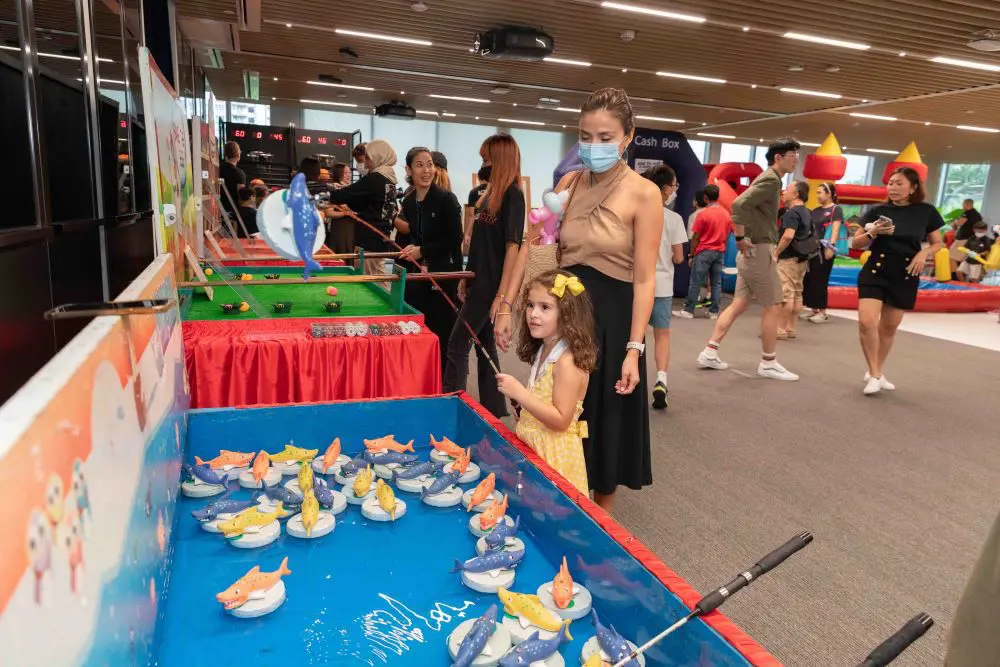
Family Day Carnival Booth Stall Games
Categories
Blogs

The Role of Leadership in Successful Team Building

The Role of Leadership in Successful Team Building

Effective leadership is the cornerstone of successful team building. Leaders set the tone, establish the vision, and create an environment where team members can thrive. This detailed article explores the critical role of leadership in team building, highlighting essential leadership qualities, strategies, and the impact of strong leadership on team performance.

The Importance of Leadership in Team Building

Setting the Vision and Goals

Leaders play a crucial role in defining the team’s vision and goals. A clear vision provides direction and purpose, while specific, measurable goals give team members something to strive toward. Effective leaders ensure that these goals align with the organization’s broader objectives and are communicated clearly to the team. This alignment helps in fostering a sense of shared purpose and commitment.

Creating a Positive Culture

The leader’s behavior sets the tone for the team’s culture. By modeling positive behaviors such as respect, integrity, and collaboration, leaders can create a culture that promotes trust and mutual respect. A positive team culture encourages open communication, innovation, and a willingness to take risks, all of which are essential for successful team building.

Motivating and Inspiring Team Members

Leaders are responsible for motivating and inspiring their team members. By recognizing individual contributions, providing constructive feedback, and celebrating successes, leaders can boost morale and keep team members engaged. Inspirational leadership encourages team members to go above and beyond, fostering a sense of pride and ownership in their work.

Essential Leadership Qualities for Team Building

Effective Communication

Effective communication is vital for successful leadership. Leaders must be able to convey their vision, goals, and expectations clearly and listen actively to their team members. Open and transparent communication helps to build trust and ensures that everyone is on the same page.

Empathy

Empathy allows leaders to understand and relate to their team members’ experiences and emotions. By showing empathy, leaders can build stronger relationships, address concerns more effectively, and create a supportive environment where team members feel valued and understood.

Decisiveness

Decisiveness is an essential quality for leaders, especially in challenging situations. Leaders must be able to make informed decisions quickly and confidently, providing direction and stability for their team. Decisive leaders help to prevent uncertainty and keep the team focused on their goals.

Adaptability

Adaptability is crucial in today’s fast-paced and ever-changing work environment. Leaders who can adapt to new situations and embrace change are better equipped to guide their teams through transitions and overcome obstacles. Adaptable leaders foster a culture of flexibility and resilience within their teams.

Integrity

Integrity is the foundation of trust. Leaders who demonstrate honesty, ethical behavior, and consistency in their actions build credibility and trust with their team members. Integrity in leadership encourages a culture of accountability and transparency.

Strategies for Effective Team Building

Building Trust

Trust is the cornerstone of any successful team. Leaders can build trust by being consistent, reliable, and transparent in their actions and decisions. Encouraging open communication and providing opportunities for team members to get to know each other can also help to build trust.

Encouraging Collaboration

Collaboration is essential for effective team building. Leaders can encourage collaboration by promoting a culture of teamwork, facilitating open discussions, and providing opportunities for team members to work together on projects and initiatives. Collaborative leaders recognize and leverage the diverse skills and perspectives of their team members to achieve common goals.

Providing Support and Resources

Leaders must ensure that their team members have the support and resources they need to succeed. This includes providing access to training and development opportunities, tools, and technology, and creating a supportive work environment. Leaders should also be available to offer guidance and support when needed.

Setting Clear Expectations

Clear expectations provide direction and accountability for team members. Leaders should communicate their expectations clearly and ensure that team members understand their roles and responsibilities. Setting clear expectations helps to prevent misunderstandings and ensures that everyone is working towards the same objectives.

Recognizing and Celebrating Achievements

Recognition and celebration of achievements boost morale and reinforce positive behaviors. Leaders should regularly acknowledge individual and team accomplishments, both big and small. Celebrating successes creates a positive and motivating work environment.

The Impact of Strong Leadership on Team Performance

Increased Productivity

Strong leadership can significantly enhance team productivity. When team members are clear on their goals, feel supported, and are motivated, they are more likely to perform at their best. Effective leaders remove obstacles, provide direction, and keep the team focused on their objectives.

Enhanced Innovation

A supportive and collaborative team environment, fostered by strong leadership, encourages innovation. When team members feel safe to express their ideas and take risks, they are more likely to come up with creative solutions and innovative approaches to challenges.

Improved Morale and Job Satisfaction

Leaders who prioritize team building and create a positive work environment contribute to higher morale and job satisfaction. Team members who feel valued, supported, and recognized are more likely to be engaged and committed to their work.

Better Conflict Resolution

Conflicts are inevitable in any team, but strong leaders can manage and resolve conflicts effectively. By addressing issues promptly and fairly, leaders can prevent conflicts from escalating and maintain a harmonious team environment. Effective conflict resolution also strengthens trust and collaboration within the team.

Greater Team Cohesion

Strong leadership fosters a sense of unity and cohesion within the team. When team members share a common vision and feel connected to each other, they work more effectively together. This cohesion enhances overall team performance and helps to achieve collective goals.

Examples of Leadership in Team Building Activities

Team-Building Workshops

Leaders can organize workshops focused on team building, covering topics such as communication skills, conflict resolution, and collaborative problem-solving. These workshops provide valuable learning experiences and opportunities for team members to practice and develop their skills.

Team Retreats

Team retreats offer a chance for team members to connect outside of the usual work environment. Leaders can use retreats to build relationships, foster team spirit, and work on strategic planning. Retreats can include a mix of formal sessions and informal activities to balance work and relaxation.

Regular Team Meetings

Regular team meetings provide a platform for open communication, updates, and feedback. Leaders can use these meetings to reinforce the team’s vision and goals, address any issues, and celebrate achievements. Regular check-ins help to maintain alignment and ensure that everyone is on track.

Mentorship Programs

Mentorship programs pair experienced leaders with team members to provide guidance, support, and development opportunities. These programs help to build strong relationships, enhance skills, and foster a culture of continuous learning and improvement.

Interactive Team Activities

Interactive activities such as team-building games, role-playing exercises, and collaborative projects can enhance team dynamics. Leaders can facilitate these activities to promote teamwork, improve communication, and build trust within the team.

Conclusion

Effective leadership is essential for successful team building. Leaders set the vision, create a positive culture, and motivate team members to perform at their best. By embodying key leadership qualities such as effective communication, empathy, decisiveness, adaptability, and integrity, leaders can foster a supportive and collaborative team environment. Through strategies such as building trust, encouraging collaboration, providing support and resources, setting clear expectations, and recognizing achievements, leaders can enhance team dynamics and performance. The impact of strong leadership on team productivity, innovation, morale, conflict resolution, and cohesion is profound. As organizations strive to build high-performing teams, the role of leadership in team building cannot be overstated.

To head back to read another article in our blog, click here

Ultimate Survivor Past Activity TB 2