Categories
Blogs

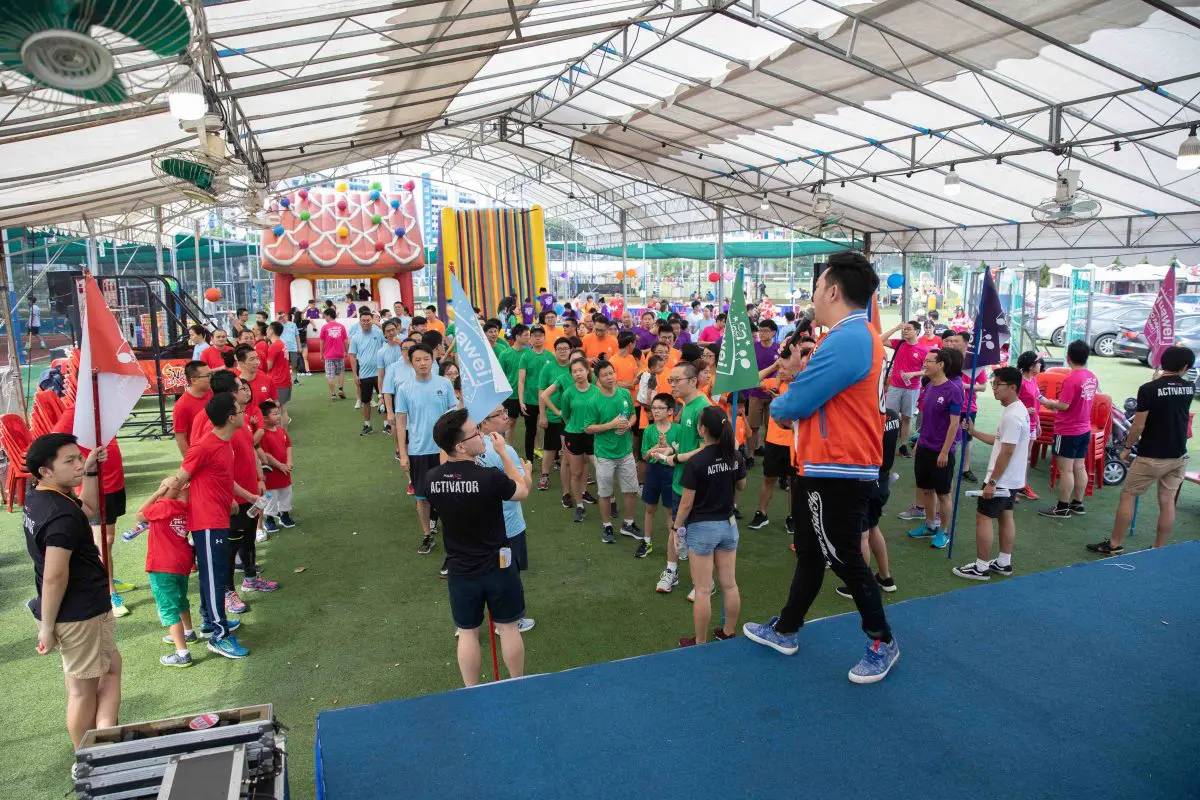
What is Great About Corporate Family Day Events?

What is Great About Corporate Family Day Events?

In today’s corporate world, where employees often juggle demanding work schedules with personal commitments, fostering a sense of community and work-life balance is crucial. One way companies can achieve this is by organizing Corporate Family Day events. These events offer numerous benefits that extend beyond the immediate fun and camaraderie they generate. Here’s why Corporate Family Day events are great for both employees and organizations.

 1. strengthening Employee bonds

BUILDING personal connections

Corporate Family Day events provide a relaxed environment for employees to interact with each other and their families outside the usual work setting. This helps in building personal connections and fostering a sense of camaraderie. When employees get to know each other on a personal level, it strengthens their bonds and improves teamwork and collaboration back in the office. Personal connections can lead to a more supportive and understanding workplace, where employees are more willing to help each other and work together effectively.

encouraging team spirit 

Participating in fun activities together, such as games, sports, or team-building exercises, enhances team spirit and unity. These shared experiences can break down barriers and create a more cohesive and motivated workforce. Employees who feel connected to their colleagues are more likely to work well together and support each other in achieving common goals. Team spirit built through these events can translate into better collaboration and increased productivity in day-to-day work tasks.

2. boosting morale and motivation 

recognition and appreciation 

Organizing a Corporate Family Day is a tangible way for companies to show appreciation for their employees’ hard work and dedication. When employees feel valued and recognized, it boosts their morale and motivation. A day dedicated to fun and relaxation can re-energize employees, leading to increased job satisfaction and productivity. Public recognition during these events can reinforce employees’ sense of worth and commitment to the company, making them feel more invested in their work.

 work-life balance 

Corporate Family Day events emphasize the importance of work-life balance by allowing employees to spend quality time with their families. This balance is crucial for overall well-being and can reduce stress and burnout. When employees see that their company values their personal lives, they are more likely to feel loyal and committed to the organization. Promoting work-life balance can lead to higher retention rates and a more engaged workforce, as employees feel their well-being is prioritized.

3. encouraging families and building community 

involving families 

By including families in corporate events, companies can build a sense of community and belonging. Families get a glimpse into their loved ones’ work environment and can better understand the company culture. This involvement fosters a supportive atmosphere, where families feel connected to the company and its goals. When families are included, employees are likely to feel more supported and appreciated, which can translate into better performance and job satisfaction.

creating lasting memories

Corporate Family Day events create lasting memories for both employees and their families. These positive experiences contribute to a strong and positive company culture. Employees who have fond memories of these events are more likely to speak highly of their employer, enhancing the company’s reputation and attractiveness to potential recruits. Lasting memories also strengthen the emotional bond employees have with their company, making them proud to be part of the organization.

4. promoting health and well-being

physical activities

Many Corporate Family Day events include physical activities such as sports, games, or outdoor adventures. These activities promote physical health and well-being. Encouraging employees to engage in physical activities can lead to healthier lifestyles, which in turn can reduce absenteeism and healthcare costs for the company. Regular physical activity is also linked to improved mental health, reducing stress and boosting overall happiness.

mental relaxation 

Taking a break from the daily grind and enjoying a day of fun and relaxation can significantly benefit mental health. It provides an opportunity for employees to unwind, de-stress, and recharge. A well-rested and relaxed workforce is more focused, creative, and productive. Mental relaxation can lead to a more positive outlook, increased creativity, and better problem-solving skills, all of which contribute to a more effective and innovative workforce.

5. enhancing corporate culture 

reflecting company values

Corporate Family Day events reflect a company’s values and commitment to its employees. They showcase the company’s dedication to fostering a positive and inclusive work environment. When employees see that their company prioritizes their well-being and family life, it strengthens their alignment with the company’s values and mission. Events that align with the company’s values can reinforce the desired culture and behaviors, promoting a cohesive and united workforce.

encouraging inclusivity

These events can be designed to be inclusive and cater to diverse interests and backgrounds. By offering a variety of activities that appeal to different age groups and preferences, companies can ensure that everyone feels included and valued. Inclusivity in corporate events translates to inclusivity in the workplace, promoting a culture of respect and diversity. An inclusive environment fosters creativity and innovation, as diverse perspectives are more likely to be shared and valued.

6. networking opportunities

relationships 

Corporate Family Day events provide an informal setting for employees to network and build relationships across different departments and levels of the organization. These interactions can lead to better communication and collaboration in the workplace. Employees who feel comfortable and connected with colleagues from various parts of the company are more likely to engage in cross-functional teamwork. Networking opportunities can also lead to mentorship and career development, as employees build relationships with more experienced colleagues.

engaging leadership

Leadership engagement in these events is crucial. When leaders participate and interact with employees and their families, it breaks down hierarchical barriers and fosters a sense of equality and approachability. Employees are more likely to trust and feel loyal to leaders who take the time to engage with them on a personal level. Engaging leadership can inspire employees and reinforce their commitment to the company’s vision and goals.

conclusion

Corporate Family Day events are more than just a day of fun and games; they are an investment in your employees’ well-being, morale, and overall company culture. By fostering personal connections, boosting morale, engaging families, promoting health, enhancing corporate culture, and providing networking opportunities, these events create a positive and supportive work environment. Companies that prioritize such events demonstrate their commitment to their employees’ holistic well-being, leading to increased loyalty, productivity, and a stronger sense of community within the organization. So, consider planning your next Corporate Family Day event and experience the myriad benefits it brings to your company and its people.

Family Day Emcee Host
Categories
Blogs

Building Trust Through Team Building: Strategies for Creating Trustworthy Teams

Building Trust Through Team Building: Strategies for Creating Trustworthy Teams

In any organization, trust is the cornerstone of effective collaboration, communication, and overall productivity. Building trust within a team is crucial for fostering a positive work environment where team members feel valued, supported, and motivated. Team building activities are an excellent way to cultivate trust, as they encourage cooperation, open communication, and mutual respect. Here are some strategies for creating trustworthy teams through effective team building.

understanding the importance of trust

Trust is fundamental to a high-functioning team. It ensures that team members can rely on each other, share information freely, and work together effectively towards common goals. When trust is present, teams are more resilient, adaptable, and capable of handling challenges. Conversely, a lack of trust can lead to miscommunication, low morale, and decreased productivity.

strategies for building trust through team building 

1. open communication

Encourage Transparency

Fostering an environment of transparency where team members feel comfortable sharing their thoughts, ideas, and concerns is key to building trust. Team building activities that emphasize open communication, such as group discussions or brainstorming sessions, can help. Encourage everyone to speak openly and listen actively to each other. This transparency reduces misunderstandings and helps create a safe space where team members feel their voices are heard and valued.

Regular check-ins

Implement regular team meetings and one-on-one check-ins to ensure everyone feels heard and valued. These check-ins provide opportunities for feedback, address any issues, and reinforce the habit of open communication. Use these sessions to celebrate successes and discuss areas for improvement. Regular check-ins can also help to identify and resolve potential issues before they escalate, maintaining a healthy and trusting team dynamic.

2. collaborative problem-solving

group challanges

Engage your team in group challenges that require cooperation and collective problem-solving. Activities like escape rooms, scavenger hunts, or team-based puzzles can promote collaboration. These exercises help team members understand each other’s strengths and weaknesses, fostering a sense of unity and trust. The shared experience of overcoming a challenge together can create a strong bond and a sense of accomplishment within the team.

project-based team building

Assign projects that require input and effort from all team members. Encourage collaboration by setting clear goals and roles, and ensure that everyone contributes to the project’s success. This approach builds trust by demonstrating that each team member’s contributions are valued and essential. When team members see their ideas and efforts recognized and appreciated, they are more likely to trust and rely on each other in future projects.

3. building personal connections

social activities

Organize social activities outside of the regular work environment to help team members get to know each other on a personal level. Casual gatherings like team lunches, outings, or virtual coffee breaks can strengthen personal bonds and build trust. These activities help team members see each other as individuals, not just colleagues. The relaxed setting encourages open conversation and personal connection, which are crucial for building trust.

sharing personal stories 

Create opportunities for team members to share personal stories and experiences. This can be done through structured activities like “Two Truths and a Lie” or informal team-building exercises. Sharing personal stories fosters empathy and understanding, leading to stronger trust within the team. When team members understand each other’s backgrounds and experiences, they are more likely to relate to each other on a deeper level and work together more effectively.

4. consistency and reliablility 

set clear expectations

Establish clear expectations and responsibilities for each team member. When everyone understands their role and what is expected of them, it builds trust in the team’s ability to function effectively. Consistently meeting these expectations reinforces trust over time. Clear expectations also reduce ambiguity and confusion, which can lead to misunderstandings and a breakdown in trust.

follow through on commitments

Encourage a culture of accountability where team members follow through on their commitments. This reliability builds trust, as team members learn that they can depend on each other to fulfill their responsibilities. Recognize and reward consistent performance to reinforce this behavior. When team members know they can count on each other, they are more likely to take risks and innovate, knowing they have the support of their team.

5. conflict resolution

address issues promptly

Handle conflicts and misunderstandings promptly and constructively. Encourage open dialogue to resolve issues and ensure that all parties feel heard and respected. Effective conflict resolution prevents small issues from escalating and maintains trust within the team. By addressing conflicts head-on and finding mutually beneficial solutions, you demonstrate a commitment to maintaining a healthy and trusting team environment.

mediarion and support

Provide mediation and support when necessary. Sometimes, external help may be needed to resolve conflicts and restore trust. Offering mediation services or conflict resolution training can equip your team with the skills they need to handle disputes effectively. Providing support for conflict resolution shows that you value a harmonious and trusting team dynamic, which can encourage team members to resolve conflicts constructively.

6. recognition and appreciation

celebrate successes

Regularly acknowledge and celebrate the team’s achievements, both big and small. Recognizing individual and collective successes fosters a sense of appreciation and trust. Celebrations can be formal, like award ceremonies, or informal, like shout-outs during meetings. Celebrating successes shows that you value your team’s hard work and contributions, which can boost morale and trust.

express gratitude

Encourage team members to express gratitude and appreciation for each other’s efforts. Simple acts of recognition, like thank-you notes or verbal acknowledgments, can significantly boost morale and trust within the team. Creating a culture of gratitude can enhance team cohesion and foster a positive and trusting work environment.

7. inclusivity and diversity

promote inclusive practices

Ensure that team-building activities and work processes are inclusive and accessible to all team members. This promotes a sense of belonging and respect, which is foundational for trust. Inclusivity helps to create an environment where everyone feels valued and heard, reducing feelings of isolation and distrust.

cleberate diversity

Embrace and celebrate the diversity within your team. Diverse perspectives can lead to more innovative solutions and a richer team dynamic. When team members feel their unique backgrounds and perspectives are valued, they are more likely to trust and engage fully with the team.

conclusion 

Building trust within a team is an ongoing process that requires intentional effort and effective strategies. Through open communication, collaborative problem-solving, building personal connections, consistency and reliability, conflict resolution, recognition and appreciation, and promoting inclusivity and diversity, you can create a trustworthy team that thrives on mutual respect and cooperation. By investing in team-building activities that focus on these strategies, you can foster a work environment where trust flourishes, leading to enhanced productivity, job satisfaction, and overall team success. Trust is the foundation of any successful team, and with the right approach, you can build a strong, cohesive, and trustworthy team.

Battle Royale Past Activity TB TB 4
Categories
Blogs

Why Choose an Overseas Retreat for Your Next Corporate Event?

Why Choose an Overseas Retreat for Your Next Corporate Event?

In today’s fast-paced business environment, corporate events are essential for team building, strategic planning, and fostering a positive work culture. While local venues are convenient, an overseas retreat offers unique advantages that can significantly enhance the impact of your event. A change of view can make people feel refreshed and relaxed. Here’s why you should consider an overseas retreat for your next corporate gathering.

1. enhanced team building 

A new environment

An overseas retreat takes your team out of their usual work environment, providing a fresh backdrop that encourages creativity and collaboration. The novelty of a new location can break down barriers and foster stronger connections among team members. Being in an unfamiliar setting pushes employees to rely on each other more, thereby strengthening interpersonal relationships and enhancing team cohesion.

shared experiences

Traveling together and experiencing a different culture can create lasting memories and strengthen team bonds. Whether it’s exploring a new city, trying local cuisine, or participating in adventure activities, these shared experiences can bring your team closer together. Such activities often require teamwork and cooperation, which can translate to better collaboration back in the office. The stories and experiences shared during these trips can become part of the company lore, further binding the team.

2. boosted morale and motivation

A sense of adventure

An overseas retreat can infuse a sense of adventure and excitement into your corporate event. This can be a powerful motivator, making your team feel valued and appreciated. The anticipation of an exciting trip can boost morale and enthusiasm long before the event itself. When employees feel they are embarking on an adventure rather than just another work event, their engagement and enthusiasm naturally increase.

Recognition and reward 

Taking your team overseas is a tangible way to show appreciation for their hard work and dedication. It can serve as a significant reward and incentive, encouraging employees to maintain high levels of performance and engagement. This recognition can lead to increased loyalty and a stronger commitment to the company’s goals. Employees are likely to feel more motivated and recognized when they see the company investing in their well-being and growth.

3. Enhanced creativity and Innovation 

Inspiration from new surroundings

Exposure to different cultures, landscapes, and ways of thinking can inspire creativity and innovation. The change in scenery can help your team think outside the box and come up with fresh ideas that might not emerge in a familiar environment. Creative problem-solving often requires stepping outside one’s usual context, and an overseas retreat provides just that opportunity. New environments can spark new ideas and solutions, fostering a culture of innovation.

Diverse perspectives 

Interacting with local businesses and professionals can provide new perspectives and insights. This can lead to innovative solutions and approaches that you can bring back to your own company. Exposure to different business practices and market conditions can help your team develop a broader understanding of global trends and challenges. These insights can be invaluable in fostering a more dynamic and forward-thinking corporate strategy.

4. focused work environment 

Away from distractions

Being away from the regular office environment can minimize everyday distractions and interruptions. This allows your team to focus more effectively on the event’s objectives, whether it’s strategic planning, training, or brainstorming sessions. Without the usual office distractions, teams can delve deeper into discussions and develop more comprehensive strategies and solutions.

structured agenda with flexibility

An overseas retreat often comes with a well-structured agenda that balances work and leisure. This ensures that your team remains productive while also having ample opportunities to relax and rejuvenate. Structured work sessions can be interspersed with cultural activities and leisure time, maintaining high energy and engagement levels throughout the retreat. This balance can help prevent burnout and ensure that the team returns to work feeling refreshed and inspired.

5. building a global mindset 

cultural exposure 

Experiencing a different culture firsthand can broaden your team’s horizons and foster a global mindset. This is particularly valuable for companies with international clients or aspirations for global expansion. Understanding cultural nuances and global market dynamics can enhance your team’s ability to operate effectively in a global context. It also fosters empathy and cultural sensitivity, which are crucial for building strong international relationships.

networking opportunities

Overseas retreats can offer unique networking opportunities with local businesses and professionals. This can lead to potential collaborations, partnerships, and new business opportunities. Building a global network can provide valuable insights and connections that can be leveraged for future business growth. Networking in a different country can also expose your team to different business practices and innovative ideas that can be adapted and implemented back home.

6. creating lasting memories 

memorable experiences 

An overseas retreat can create lasting memories that strengthen the team’s bond. Whether it’s a team-building exercise on a tropical beach, a cultural tour, or a high-energy adventure activity, these experiences can become cherished memories that reinforce team unity. Such memories not only enhance the immediate team dynamics but also contribute to long-term employee satisfaction and loyalty.

positive company culture 

Such memorable experiences contribute to a positive company culture. Employees who feel valued and enjoy their work environment are more likely to be engaged, loyal, and productive. A positive company culture can attract top talent and reduce turnover, creating a more stable and motivated workforce. The shared experiences and memories from an overseas retreat can become a cornerstone of your company’s culture, fostering a sense of belonging and pride among employees.

Conclusion 

Choosing an overseas retreat for your next corporate event offers numerous benefits that extend beyond the immediate experience. From enhanced team building and boosted morale to increased creativity and a global mindset, the advantages are substantial. By investing in an overseas retreat, you can create an impactful and memorable event that delivers lasting value for your team and your organization. So, consider taking your next corporate event to an international destination and watch your team thrive in a new and inspiring environment

Team Building Events Gallery - Group Photo Overseas Retreat Outdoor Beach Retreat Ranoh Island
Categories
Blogs

Dress to Impress: Dress Code Etiquette and Tips for Dinner and Dance Events

Dress to Impress: Dress Code Etiquette and Tips for Dinner and Dance Events

Dinner and dance events are elegant occasions that offer the perfect opportunity to showcase your style and sophistication. Whether it’s a corporate gala, a wedding reception, or a charity ball, dressing appropriately can significantly enhance your experience and leave a lasting impression. Here’s a perfect guide to dress code etiquette and tips to help you shine at your next dinner and dance event.

Understanding Dress Codes


1. Black Tie

Black tie events are the epitome of formality and elegance. This dress code calls for men to don a classic tuxedo. A traditional black tuxedo jacket with matching trousers is a must, paired with a formal white dress shirt. The look is completed with a black bow tie, black patent leather shoes, and often a cummerbund or a waistcoat. Men should also consider wearing cufflinks and a pocket square for added sophistication.

Women should opt for a floor-length evening gown that exudes elegance. Choose luxurious fabrics like silk, satin, or velvet. Accessories such as statement jewelry, a chic clutch, and elegant heels are essential. Hairstyles should be polished, whether you choose an updo or loose waves. Subtle, refined makeup will complete the look.

2. BLACK TIE optional

Black tie optional offers more flexibility while still maintaining a formal tone. Men can choose between a tuxedo and a dark suit with a tie. A dark suit (navy, charcoal, or black) paired with a white dress shirt and a conservative tie is appropriate. Dress shoes should be polished, and additional accessories like a pocket square and cufflinks can add a touch of class.

Women have the option of wearing an evening gown, a formal cocktail dress, or elegant separates. A knee-length or midi cocktail dress in a sophisticated fabric works well. Accessories should be tasteful and coordinated, and your hairstyle should complement your outfit without overshadowing it.

3. Semi-formal

Semi-formal strikes a balance between formal and casual. Men should wear a dark suit with a dress shirt and tie. While the suit can be dark, lighter colors can be considered for daytime events. Shoes should be formal dress shoes, polished to perfection. Adding a tie bar or a subtle lapel pin can enhance the look.

Women can opt for a cocktail dress, a dressy skirt and top, or a stylish jumpsuit. The dress length can vary from knee-length to midi, and fabrics should be of good quality. Pair your outfit with elegant heels or dressy flats, and choose accessories that complement but do not overwhelm your attire. A stylish clutch and understated jewelry will complete your look.

4. Cocktail attire Business formal

Cocktail attire calls for a stylish and sophisticated look without the formality of a black tie. Men should wear a suit, possibly in a lighter color depending on the season. A tailored suit with a dress shirt and tie is ideal. You can play with colors and patterns for the tie to add a touch of personality. Ensure your shoes are polished and your overall look is neat and coordinated.

Women can choose a knee-length cocktail dress, a stylish skirt and blouse, or a fashionable jumpsuit. Bold colors, interesting textures, and stylish cuts are all appropriate. Accessories should enhance your outfit—think statement earrings, a chic clutch, and stylish heels. Hair and makeup should be polished but can be more playful than formal styles.

5. BUSINESS FORMAL

For corporate dinner and dance events, business formal is the go-to dress code. Men should wear a business suit with a dress shirt and tie. A dark suit (navy, gray, or black) paired with a crisp white or light-colored shirt is a safe choice. A conservative tie and polished dress shoes are essential. Adding a tie clip or cufflinks can elevate your look.

Women can wear a tailored dress, a skirt suit, or a pantsuit. The outfit should be professional yet stylish. Neutral colors or subtle patterns work well. Pair your outfit with classic heels or flats, and choose accessories that are understated and professional. A structured handbag and simple jewelry will complete your ensemble.

6. casual or themed attire

Some dinner and dance events might have a casual or themed dress code. For casual events, men can wear dress pants or chinos with a button-down shirt or a polo shirt. Loafers or dressy sneakers can complete the look. Women can opt for a casual dress, a skirt and blouse, or dressy pants and a top. Accessories can be more relaxed, and comfortable yet stylish shoes are appropriate.

For themed events, embrace the theme while maintaining a level of sophistication. Whether it’s a 1920s Gatsby party, a Hawaiian luau, or a masquerade ball, ensure your outfit is creative and theme-appropriate while still being elegant and well-coordinated.

Tips for dressing to impress

1. know the dress code 

Always check the event invitation for the dress code. Understanding the dress code helps you choose an appropriate outfit and prevents you from feeling out of place. If the invitation is vague, consider the event type, venue, and attendees to gauge the level of formality. When in doubt, it’s better to be slightly overdressed than underdressed.

2. fit and comfort

Ensure your outfit fits well and is comfortable enough for an evening of dining and dancing. Ill-fitting clothes can be distracting and uncomfortable. Consider getting your outfit tailored for a perfect fit. Comfortable shoes are also crucial, especially if you’ll be dancing. Breaking in new shoes before the event can prevent discomfort.

3. Colors and fabrics

Choose colors and fabrics appropriate for the season and event. Darker shades and heavier fabrics like wool or velvet are ideal for winter events, while lighter colors and breathable materials like cotton or silk are suitable for summer. Consider the time of day—lighter colors are more appropriate for daytime events, while darker shades work well for evening affairs.

4. Accessorize wisely

Accessories can elevate your outfit, but keep them balanced. For formal events, opt for elegant jewelry, a classic watch, and a polished handbag or clutch. For less formal occasions, you can be more adventurous with your accessories, incorporating statement pieces that reflect your personality. Remember that accessories should complement your outfit without overwhelming it.

5. pay attention to footwear

Your shoes should complement your outfit and be suitable for dancing. For men, polished dress shoes are a must. Women should choose comfortable yet stylish heels or flats. If you plan to dance, consider bringing a pair of foldable flats or low heels to change into later in the evening. Ensure your shoes are clean and in good condition.

6. BUSINESS FORMAL gromming and hygiene

Good grooming and hygiene are essential. Ensure your hair is styled neatly, and your nails are clean and manicured. Men should consider a fresh shave or a neatly trimmed beard. A subtle fragrance can add a touch of sophistication but avoid overpowering scents. Taking care of these details shows respect for the event and your fellow guests.

7. confidence is key

No matter what you wear, confidence is the best accessory. Stand tall, smile, and enjoy the evening. When you feel good in your outfit, it shows in your demeanor. Confidence makes a lasting impression and helps you fully enjoy the event.

conclusion

Dinner and dance events are wonderful opportunities to dress up and enjoy a sophisticated evening. By understanding the dress code and following these tips, you can ensure you look your best and feel confident. Dressing appropriately not only shows respect for the event and its hosts but also enhances your overall experience. So, dress to impress and enjoy the dance!

To head back to read another article in our blog, click here.  

Corporate Dinner
Categories
Blogs

The Downsides of Skipping Team Building

The Downsides of Skipping Team Building

In today’s dynamic work environment, characterized by rapid changes and evolving challenges, team-building activities play a crucial role in fostering a cohesive and effective team. When organizations neglect to invest time and resources into these activities, they risk encountering several significant disadvantages that can impact team performance and overall organizational success.

1. Communication Breakdown

Effective communication is the cornerstone of any successful team. Team-building activities provide opportunities for team members to develop open and honest communication channels. These activities often involve exercises that encourage active listening, clear articulation of ideas, and constructive feedback. Without regular team-building efforts, employees may miss out on chances to strengthen these communication skills. As a result, misunderstandings can arise more frequently, leading to errors, delays in project timelines, and decreased overall productivity.

2. Lack of Trust and Collaboration

Team building helps build trust among team members by fostering mutual respect, understanding, and reliability. Through collaborative exercises and shared experiences, team members learn to rely on each other’s strengths and support each other’s weaknesses. Without these bonding opportunities, employees may hesitate to share information, seek help, or collaborate effectively. This lack of trust can breed a silo mentality where individuals work independently rather than synergistically towards common goals. Ultimately, this impedes innovation, slows down decision-making processes, and limits the team’s ability to adapt to changing circumstances.

3. Low Employee Engagement and Morale

Engagement and morale are directly linked to job satisfaction and overall employee well-being. Team-building activities contribute significantly to creating a positive and supportive work environment where employees feel valued and connected to their colleagues and the organization as a whole. These activities often include celebrations of achievements, recognition of individual contributions, and opportunities for informal social interactions. When team building is neglected, employees may perceive a lack of appreciation and support from their peers and leaders. This can lead to decreased motivation, increased absenteeism, higher turnover rates, and a decline in overall employee morale.

4. Limited Problem-Solving Skills

Many team-building exercises are designed to challenge teams to solve problems collaboratively, think creatively, and innovate. These activities simulate real-world challenges and encourage team members to explore different perspectives and approaches to problem-solving. By skipping these exercises, organizations miss out on opportunities to develop and enhance crucial problem-solving skills among their teams. As a result, teams may struggle to address complex issues efficiently, leading to missed opportunities for improvement, increased frustration, and decreased confidence in the team’s abilities.

5. increased Conflicts

Team-building activities promote understanding and appreciation of each team member’s strengths, communication styles, and working preferences. They help mitigate potential conflicts by fostering empathy and mutual respect among team members. Without these activities, misunderstandings and disagreements can escalate more easily, creating a tense and unproductive work environment. Increased conflicts can strain relationships, hinder teamwork, and divert attention away from achieving team goals.

6. Underutilized Strengths and Talents

Team-building activities often involve tasks that allow individuals to showcase their unique skills and talents within a team setting. By actively participating in these activities, team members and leaders can identify and leverage each individual’s strengths effectively. When team building is overlooked, managers may overlook opportunities to optimize task assignments and project roles based on team members’ strengths. This underutilization of talent can lead to inefficiencies, missed opportunities for innovation, and a lack of fulfillment among team members.

7. Resistance to Change

Effective team-building activities foster a culture of adaptability and resilience within teams. They encourage openness to new ideas, flexibility in approaches, and a willingness to embrace change. Through shared challenges and successes, team members learn to navigate uncertainties and complexities with confidence and agility. In the absence of these activities, teams may become resistant to change, preferring familiar routines and methods over exploring new possibilities. This resistance can stifle innovation, hinder growth, and put the organization at a competitive disadvantage in a rapidly evolving market.

8. Harder Onboarding for New Members

Team-building activities play a vital role in integrating new employees into the team and organizational culture. These activities provide newcomers with opportunities to build relationships, learn about team dynamics, and understand organizational values and goals. When organizations skip these activities, new hires may experience longer adjustment periods and challenges in establishing rapport with their colleagues. This delayed integration can delay their productivity and hinder their ability to contribute effectively to team projects and initiatives.

9. Lower Overall Productivity

The cumulative effect of poor communication, lack of trust, low employee engagement, and underutilized talents can significantly impact overall team productivity. Team members who do not feel valued, supported, or connected are less likely to collaborate effectively, share knowledge, or contribute their best efforts to achieve team objectives. As a result, projects may experience delays, quality may suffer, and the organization may struggle to meet its strategic goals in a timely manner.

Conclusion

Skipping team-building activities can have far-reaching implications for any organization, affecting communication, collaboration, morale, problem-solving capabilities, and overall productivity. By prioritizing and investing in regular team-building efforts, organizations can cultivate a cohesive, motivated, and high-performing team capable of navigating challenges, fostering innovation, and achieving sustainable success in today’s competitive business landscape. Team building isn’t just an optional add-on—it’s a fundamental investment in the health and effectiveness of your team and organization as a whole.

To head back to read another article in our blog, click here.  
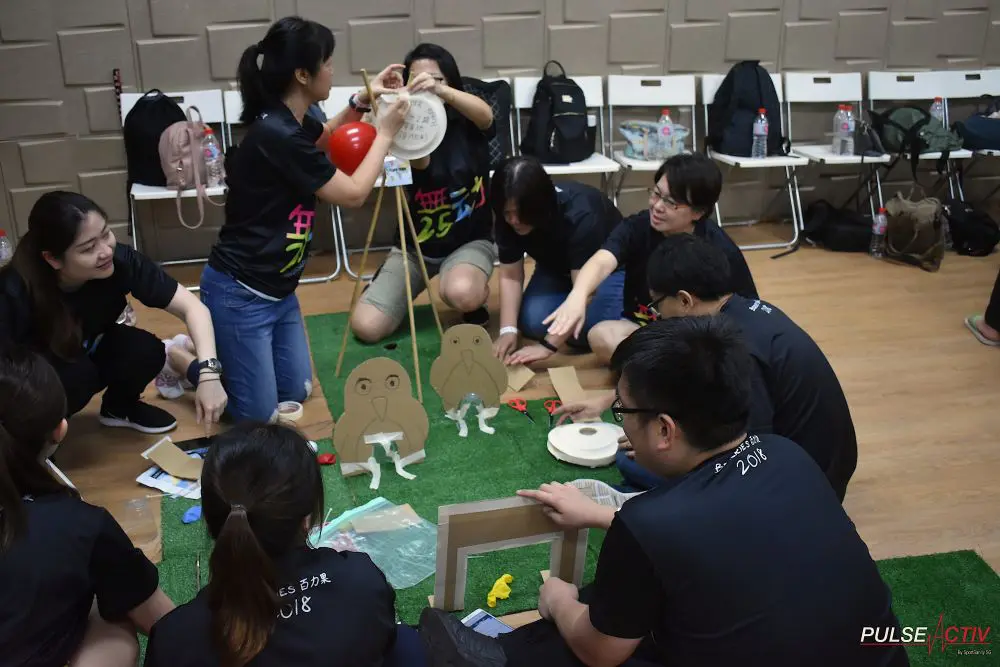
Ultimate Survivor Past Activity TB 2