Categories
Blogs

Corporate Sports Day Team Building Activities in Singapore

Corporate Sports Day Team Building Activities in Singapore

A corporate sports day in Singapore is one of the most effective formats for energising a large group, building cross-department connections, and creating a high-energy shared experience, especially for groups of 80 or more. Unlike generic team building programmes, a sports day is built around physical activity and competition, and the format you choose matters as much as the activities themselves. The right structure, competition system, and venue combination makes the difference between an event that people talk about for months and one that runs flat by round two.

We have been designing and facilitating corporate sports days in Singapore for over 10 years, including large-scale events for MNCs and multinationals at 500 participants and above. Some of our clients have made this an annual fixture. The programme structures and activity recommendations below come from what actually works at scale.

Two Approaches to Corporate Sports Days in Singapore

Corporate sports days in Singapore generally fall into two distinct categories: the Traditional Sports Day, where real sports and athletic challenges are the focus, and the Running Man-style approach, where the emphasis is on missions, chases, and game-show energy rather than straight athletic competition. Both can be run at large scale, but they attract different types of groups and deliver different energy.

Most organisations planning a corporate sports day are thinking of the traditional format, which itself has several structural variations depending on how competitive they want the event to be, how mixed their group is, and what they want people to walk away feeling.

Traditional Sports Day: The Three Formats

Mini Olympics

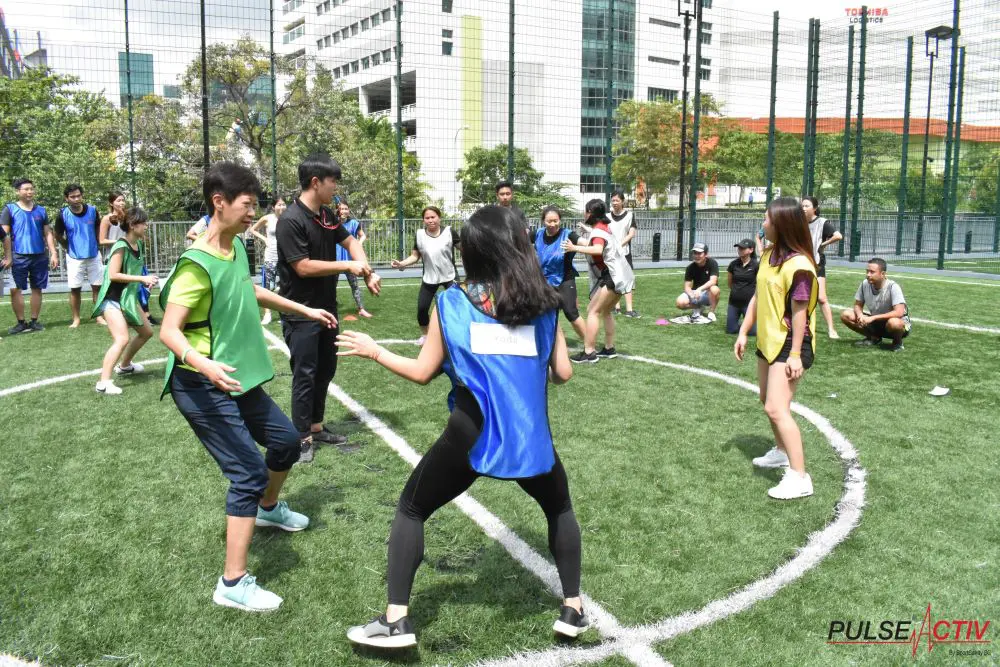
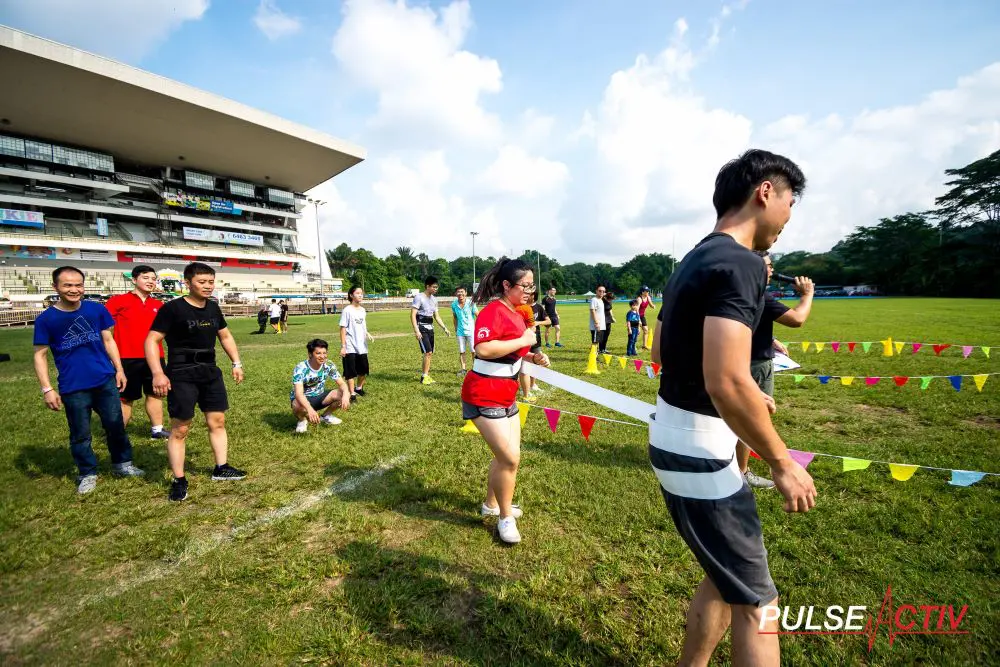
Mini Olympics is one of the most popular large-group corporate sports day formats in Singapore, and a format we have refined significantly over years of delivery for groups of 100 to 500 participants. The programme runs across three clearly defined segments. Segment 1 is the Telematch opener, where all teams compete simultaneously in relay and cooperation challenges that get everyone moving from the first minute. Segment 2 is the Sports Breakout, where teams rotate through a range of sports stations competing for points across multiple disciplines. Segment 3 is the Finale, a high-energy closing segment, often anchored by a direct head-to-head challenge such as Tug of War, that brings cumulative scores together for a dramatic conclusion.

Safety is a priority in the Mini Olympics design. Activities are selected and structured to ensure that physical contact is controlled, rules are clearly briefed, and facilitation is active throughout. For large groups in particular, having a professional facilitation team managing station flow, timing, and participant safety is not optional.

Sports Competition Format

For groups that want a more straightforward sports competition, the event can be structured as a pure sports day where teams play against each other directly across one or more sports. The competition structure you choose here significantly affects how the day feels.

Round Robin is the most commonly recommended competition structure for corporate groups. Every team plays against every other team, which means more game time for each team and a more inclusive experience where no one is eliminated early and sidelined. It rewards consistent performance rather than a single good run, which tends to suit mixed corporate groups better than straight elimination.

Elimination formats, where losing teams exit and winners progress, create sharper tension and a more dramatic finale but at the cost of participation time for teams that lose early. This works well for groups with a genuinely competitive culture that can handle being knocked out in good humour.

Double Elimination gives teams two losses before they exit, which increases game time before elimination but adds significant scheduling complexity. It is rarely recommended for corporate events because the logistics of managing brackets for large groups outweigh the benefit.

Whichever structure is used, the Finale should be a high-energy standalone moment for everyone in the room, not just the finalists. Tug of War is the most popular Finale choice because it is fast, visually dramatic, and everyone in the group can participate or spectate with equal investment.

Sports Station Rotation

When the direction from a client is fun participation rather than competition, the sports day can be run as a station rotation format. Teams move through a series of sports stations and get to try different activities without a competitive scoring system attached. The focus is on trying sports they may never have played before, enjoying the physical activity, and mixing with colleagues in a low-pressure environment.

This format works particularly well for groups with a wide range of physical abilities, groups where the demographics are mixed across age and seniority, or clients who specifically want an inclusive, relaxed event rather than a high-competition programme. It also gives more flexibility in activity selection since the pressure of competitive scoring is removed.

Choosing Your Competition Structure

Here is a quick comparison of the three main competition structures used in corporate sports days.

Format

How It Works

What It Feels Like

Best For

Round Robin

Each team plays every other team

More game time per team; more inclusive feel

Best for groups where participation and enjoyment matter more than a sharp competitive edge

Elimination

Losers exit; winners progress

Creates strong tension as the day progresses

Works well when the group has a genuinely competitive culture

Double Elimination

Two losses before elimination

More game time before exit

Rarely recommended; adds scheduling complexity for limited benefit

Popular Sports Activities at Corporate Events in Singapore

The sports you include depend on the group, the venue, and how physically demanding you want the programme to be. These are the most frequently used options.

Sport

Contact Level

Venue Requirement

Notes

Tug of War

Non-contact

Sports hall or outdoor

Classic finale activity; high energy, universal appeal

Dodgeball

Contact

Sports hall required

Needs ceiling height and clear floor; high energy

Captain’s Ball

Contact

Sports hall or outdoor

Team passing game; easier than dodgeball for mixed groups

Archery

Non-contact

Indoor or outdoor

Inclusive, accessible for all fitness levels; traditional option

Human Foosball

Non-contact

Large indoor space

Unique, high fun factor; works well as a standalone station

Not every sports day needs to be contact-heavy. Traditional archery is one of the most consistently popular choices for groups with mixed physical abilities because it is accessible, requires skill and focus rather than athleticism, and is genuinely enjoyable for participants who would not normally engage well with high-contact sports.

Human Foosball is worth highlighting as a unique station option for groups that want something more playful. Participants are connected in lines on a large inflatable field and play foosball with a real ball, mimicking the table game at human scale. It generates a lot of energy and works well as a standalone highlight station.

Running Man and Wacky Wars: Sports Done Differently

For groups that want the energy of a sports day without the structure of a traditional athletics format, Running Man and Wacky Wars offer different approaches.

Running Man is a chase-based elimination game where teams compete across a series of missions and physical chases across a defined venue space. It combines the physical energy of a sports day with the narrative tension of a game show format, and works best for groups that enjoy something less conventional. It runs well for groups of 80 to 300.

Wacky Wars takes sports and approaches them differently. Rather than straightforward athletic competition, Wacky Wars introduces modified rules, unexpected formats, and head-to-head challenge structures that level the playing field between athletic and non-athletic participants. It is a genuinely competitive programme that maintains high energy throughout and accommodates groups of up to 300 participants.

Format Comparison at a Glance

Use this to help narrow down which direction is right for your group.

Format

Group Size

Duration

Energy Style

Best For

Mini Olympics

80 to 500

3 to 4 hrs

High, structured

Annual events, large flagship sports days

Sports Competition

50 to 300

2.5 to 4 hrs

High, competitive

Groups who want real sport competition

Station Rotation

50 to 300

2 to 3 hrs

Fun, relaxed

Fun-first events, mixed demographics

Running Man

80 to 300

2.5 to 4 hrs

High, chase and missions

Groups wanting something unconventional

Wacky Wars

80 to 300

2.5 to 3.5 hrs

High, head-to-head

Groups wanting genuine competitive rivalry

Key Factors to Consider Before You Book

Demographics

The age range, fitness level, and cultural mix of your group should drive the format and activity selection. A group of 25-to-35-year-olds in a technology company will respond differently from a cross-generational group spanning new hires to senior management. Station Rotation and Mini Olympics tend to be the most inclusive across wide demographic spreads. High-contact sports work better for younger, more physically active groups.

Engagement Goal

Are you trying to build competitive energy, celebrate the year, break down silos between departments, or simply give people a day out? The answer shapes both the format and the competition structure. A year-end celebration calls for high energy and broad participation. A new team integration event calls for formats where mixing between departments is built into the programme mechanics.

Venue and Space Requirements

The activities you choose determine the venue you need, and this decision also affects your F&B options. Ball-throwing sports such as Dodgeball require a proper sports hall with adequate ceiling height and clear floor area. Outdoor fields and resort lawns are suitable for lower-contact activities and telematch formats.

An important consideration that is often missed: some sports halls do not allow food and beverages on the floor. If your programme includes a meal or catering component, confirm with the venue before finalising both the activity list and the event flow. OCBC Arena and dedicated sports halls are excellent choices for high-energy large-group events, but the F&B policy differs between venues and must be checked early in the planning process.

As a general rule: if your sports day involves ball sports with throwing or physical contact, book a sports hall. If the activities are relay-based or station-based without ball play, a wider range of indoor spaces becomes available.

What Does a Corporate Sports Day Cost in Singapore?

A facilitated corporate sports day in Singapore typically ranges from $80 to $130 per participant depending on group size, format, and scope. Larger groups of 300 or more tend to come in at the lower end of that range as fixed programme costs are spread across more participants. Groups of 80 to 150 sit closer to the upper end.

Venue hire, catering, and custom production elements such as team jerseys or printed equipment are typically scoped separately. When comparing quotations, check what is included in the per-pax rate. A professionally facilitated sports day with equipment, safety briefings, scoring systems, a competition structure, and a prize ceremony is not directly comparable to a DIY rental package. The facilitation team is what keeps the programme running on time, at the right energy level, and safely throughout.

Ready to Plan Your Corporate Sports Day?

A corporate sports day is one of the formats where experience in format design and on-the-ground facilitation makes the biggest difference. We have helped organisations across Singapore build their annual sports day from scratch, refine an existing format that was not landing, and scale up to events of 500 participants and above.

If you are planning a sports day and want guidance on format, venue, activity selection, or budget benchmarks, use the enquiry form to get in touch. We will respond within one business day.

Read our guides about Competitive Team Building Activities, Outdoor Team Building, and Team Building Activities for Large Groups.

Contact us here to enquiry more or discuss about your event. Click here to read more articles like this. 

Frequently Asked Questions

A corporate sports day can include relay challenges, direct sports competition (Dodgeball, Captain’s Ball, Tug of War, Archery, Human Foosball), cooperative team tasks, and a high-energy finale segment. The format, competition structure (Round Robin, Elimination, or station rotation), and specific sports depend on the group’s demographics, the venue, and how competitive the client wants the event to be.

Mini Olympics is a structured three-segment programme (Telematch, Sports Breakout, Finale) designed for large groups of 80 to 500. It combines multiple sports and challenge types within a single programme arc rather than focusing on one sport. A regular corporate sports day might be structured as a round robin or elimination competition in a specific sport such as Dodgeball or Captain’s Ball, or as a station rotation where teams try different sports without a competition structure. Mini Olympics typically delivers more sustained energy for larger groups because the three-part structure prevents the flat spots that occur in single-sport formats.

Activity selection and competition structure both matter. Round Robin keeps everyone playing more games rather than eliminating teams early. Station Rotation removes competitive pressure entirely. Non-contact sports such as Archery and Human Foosball reward focus and coordination rather than athleticism. Mini Olympics mixes physical and strategic elements across its three segments so that no single skill type dominates. Where employees have specific physical considerations, the facilitation team adjusts participation roles rather than sidelining individuals.

Venue choice depends on the sports involved. Ball sports with throwing, such as Dodgeball, require a proper sports hall with adequate ceiling height and clear floor space. OCBC Arena and dedicated sports halls are strong choices for high-energy large-group events. Note that some sports halls do not permit food and beverages on the floor, so if your event includes catering, confirm the F&B policy before booking. For relay-based or station-rotation formats without ball play, a wider range of indoor spaces including hotel ballrooms and convention floors is available.

Facilitated corporate sports days in Singapore typically range from $80 to $130 per person. Group size is the primary driver: groups of 300 or more tend to come in at $80 to $100 per person, while groups of 80 to 150 sit between $100 and $130. These figures cover facilitation, equipment, and programme management. Venue hire and catering are typically scoped separately.

A half-day format of three to four hours is the most practical choice for most corporate groups and delivers a complete competitive experience including briefing, multiple rounds, scoring, and a prize ceremony. Full-day formats of six to eight hours work best when the sports day is the entire event rather than a component within a larger programme. The most common mistake is trying to run a full sports competition in under three hours: the result is rushed rounds, incomplete scoring, and a flat finale.
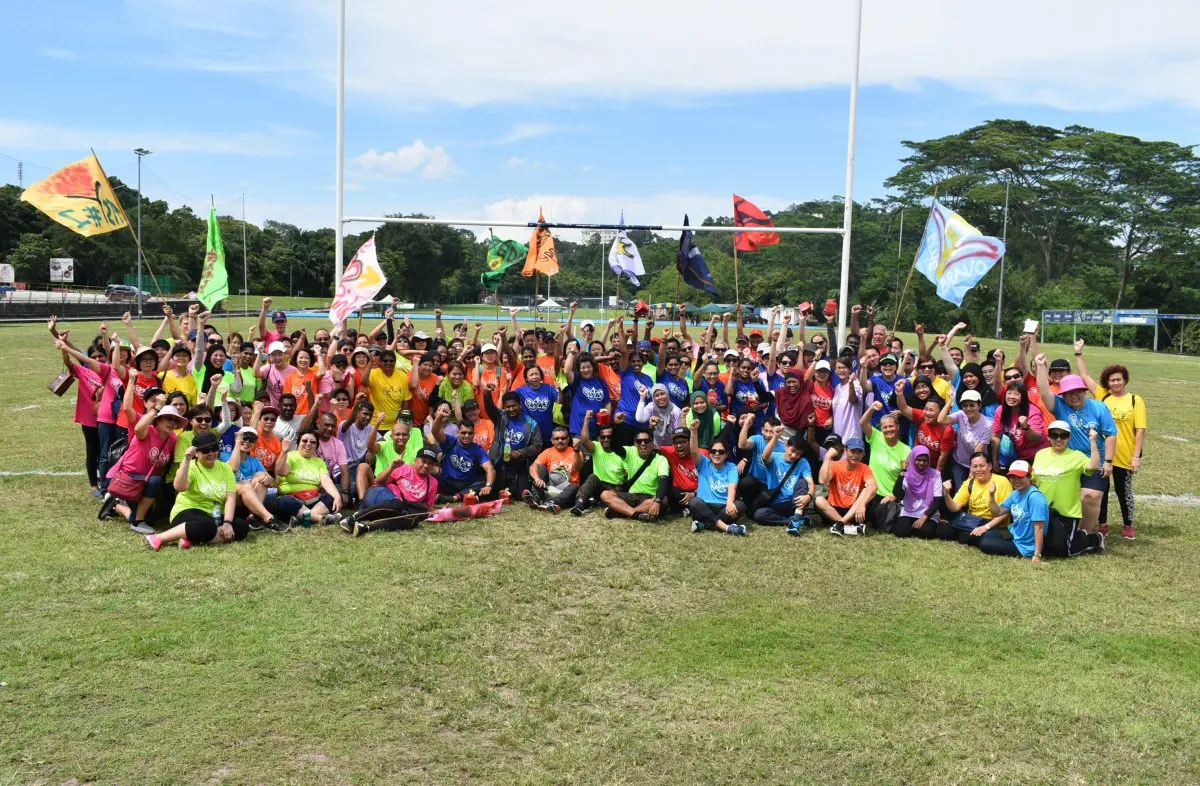
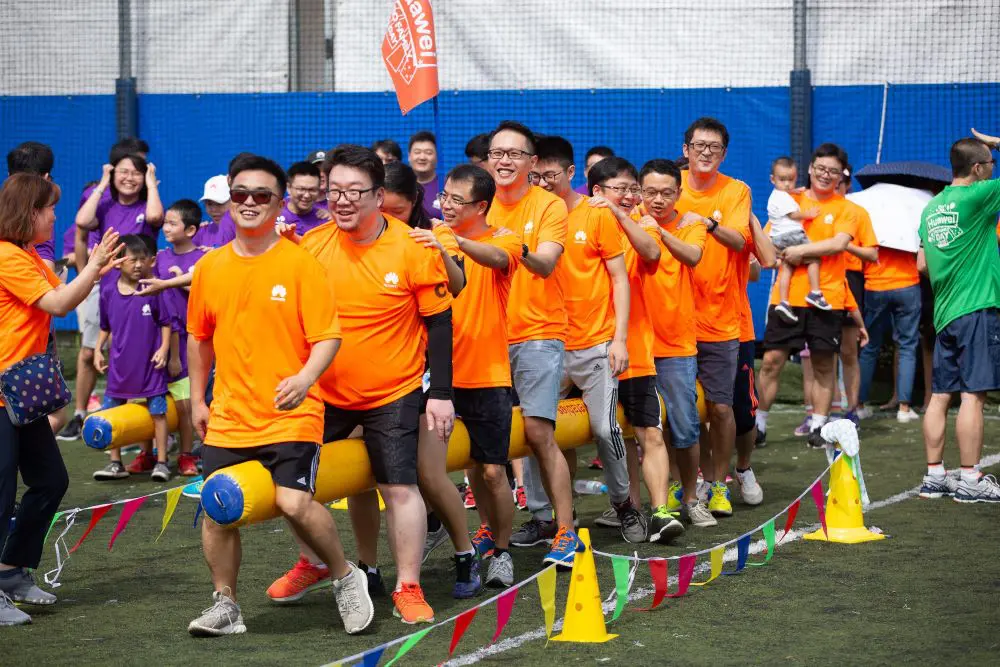
Team Building Events Gallery - Group Photo
Categories
Blogs

The Role of Sports Days in Boosting Team Morale and Productivity

The Role of Sports Days in Boosting Team Morale and Productivity

In the fast-paced corporate world, maintaining high morale and productivity among employees can be challenging. One effective strategy for achieving this is by organizing sports days. These events not only provide a fun break from the usual work routine but also offer numerous benefits that can positively impact team dynamics and overall productivity. This article explores how sports days can enhance employee health, foster teamwork, and offer other significant advantages.

Benefits of Physical Activity for Employee Health

1. Enhanced Physical Well-being

Physical activity is crucial for maintaining good health. Engaging in sports activities during company sports days helps employees improve their cardiovascular health, build muscle strength, and increase flexibility. Regular exercise has been linked to lower risks of chronic conditions such as obesity, diabetes, and heart disease. By promoting an active lifestyle, sports days contribute to a healthier workforce, reducing absenteeism and healthcare costs in the long run.

2. Mental Health Benefits

Exercise is known to have a positive impact on mental health. Physical activity triggers the release of endorphins, which are natural mood lifters. Participating in sports can help alleviate stress, anxiety, and depression, leading to improved overall mental well-being. For employees who may be feeling overwhelmed by work pressures, sports days provide a valuable opportunity to unwind and rejuvenate, enhancing their mental resilience.

3. Improved Sleep Quality

Regular physical activity contributes to better sleep quality. On sports days, employees who engage in exercise may experience improved sleep patterns, leading to increased energy levels and better focus during work hours. Adequate rest and recovery are essential for optimal cognitive function and productivity, making sports days a beneficial component of a holistic approach to employee well-being.

How Sports Days Foster Teamwork and Collaboration

1. Strengthened Team Bonds

Sports days offer a unique setting for employees to interact outside the formal work environment. Team-based sports and activities encourage collaboration, communication, and mutual support. When employees work together towards a common goal, they build stronger relationships and trust, which can translate into improved teamwork in the workplace. The shared experiences of success and challenge foster a sense of camaraderie and unity among team members.

2. Enhanced Communication Skills

Effective communication is crucial for successful teamwork. Sports days provide an opportunity for employees to practice and improve their communication skills in a less formal context. Whether strategizing during a game or cheering each other on, participants learn to express themselves clearly, listen actively, and offer constructive feedback. These enhanced communication skills can contribute to more efficient and effective interactions in the workplace.

3. Development of Leadership and Teamwork Abilities

Sports activities often require individuals to take on different roles, such as team leader, strategist, or supportive team member. These roles help employees develop and refine their leadership and teamwork skills. By stepping up to lead or support their teammates, employees gain valuable experience that can be applied to their professional roles. The collaborative spirit cultivated during sports days can lead to more cohesive and effective teams within the organization.

Additional Benefits of Sports Days

1. Boosted Employee Morale

Participating in enjoyable and engaging activities helps boost employee morale. Sports days provide a welcome break from the routine, allowing employees to have fun and feel valued. The positive experiences and memories created during these events can enhance job satisfaction and foster a positive work environment. High morale contributes to increased motivation and enthusiasm, which can positively impact overall productivity.

2. Increased Employee Engagement

Sports days can serve as a catalyst for increased employee engagement. When employees feel connected to their colleagues and the company through shared experiences, they are more likely to be engaged and committed to their work. Engaged employees are more productive, innovative, and dedicated, leading to improved overall performance and success for the organization.

3. Strengthened Company Culture

Sports days provide an opportunity to reinforce and celebrate the company’s values and culture. By organizing events that reflect the company’s commitment to health, teamwork, and employee well-being, organizations can strengthen their culture and enhance their employer brand. A strong company culture contributes to higher employee retention and attracts top talent, supporting long-term organizational success.

4. Opportunities for Recognition and Rewards

Sports days offer a platform for recognizing and rewarding employees for their efforts and achievements. Prizes, awards, and public recognition can motivate employees and acknowledge their contributions. Celebrating success and effort in a fun and informal setting boosts morale and encourages continued high performance.

Conclusion

Sports days are more than just a day of fun and games; they play a significant role in boosting team morale and productivity. By promoting physical health, enhancing mental well-being, fostering teamwork, and offering additional benefits such as increased employee engagement and strengthened company culture, sports days contribute to a more motivated and productive workforce. Organizations that invest in these events reap the rewards of a healthier, happier, and more cohesive team, ultimately driving greater success and achieving their business goals.

To head back to read another article in our blog, click here

Family Day Sports Telematch Teamwork Old School
Categories
Blogs

Safety First: Ensuring a Safe Corporate Sports Day for Everyone

Safety First: Ensuring a Safe Corporate Sports Day for Everyone

Corporate sports days are a fantastic way to promote camaraderie, fitness, and fun within the workplace. However, ensuring the safety of all participants is paramount to the success of these events. By taking proactive measures, you can minimize risks and ensure that everyone enjoys the day without incident. This article will explore key steps, from pre-event health and safety assessments to on-site medical support and tips for reducing injury risks during activities.

1. Pre-Event Health and Safety Assessments

Before any event takes place, conducting a thorough health and safety assessment is essential. This process involves identifying potential hazards, assessing the likelihood of injuries, and implementing measures to mitigate these risks.

  • Site Inspection: Begin with a detailed inspection of the event venue. Look for potential hazards such as uneven ground, slippery surfaces, or obstacles that could pose a tripping risk. Ensure that all playing areas are safe, well-maintained, and suitable for the planned activities.
  • Participant Health Assessments: Encourage participants to disclose any pre-existing medical conditions or injuries. This information helps organizers tailor activities to suit all fitness levels and avoid putting individuals at unnecessary risk.
  • Equipment Checks: Ensure all sports equipment is in good condition, properly maintained, and appropriate for the participants’ skill levels. Faulty or inappropriate equipment can significantly increase the risk of injury.

2. On-Site Medical Support and Emergency Plans

Even with the best planning, accidents can happen. Having medical support and a well-thought-out emergency plan in place is crucial for managing any incidents that arise during the event.

  • First Aid Stations: Set up clearly marked first aid stations around the venue, easily accessible to all participants. Ensure these stations are equipped with basic medical supplies, such as bandages, ice packs, and antiseptics.
  • Trained Medical Personnel: It’s vital to have trained medical personnel on-site throughout the event. These professionals can provide immediate assistance in the event of an injury and determine if further medical attention is needed.
  • Emergency Response Plan: Develop a comprehensive emergency response plan that includes protocols for dealing with serious injuries or emergencies. This plan should outline the steps for contacting emergency services, directing them to the correct location, and communicating with participants during a crisis.

3. Tips for Minimizing Injury Risks During Activities

The best way to handle injuries is to prevent them from happening in the first place. Here are some practical tips to help minimize injury risks during corporate sports day activities.

  • Warm-Up and Cool-Down Routines: Encourage all participants to engage in proper warm-up exercises before starting any activities. A thorough warm-up prepares the body for physical exertion and reduces the risk of strains and sprains. Similarly, cooling down after activities helps the body recover and prevents muscle stiffness.
  • Appropriate Activity Levels: Ensure that the intensity of the activities matches the fitness levels and capabilities of the participants. Avoid overly strenuous exercises or high-impact sports that could increase the likelihood of injuries, especially for those not regularly active.
  • Hydration and Rest: Keep participants hydrated throughout the day by providing ample water stations. Dehydration can lead to fatigue and increase the risk of injuries. Also, schedule regular breaks to allow participants to rest and recover, reducing the chances of overexertion.
  • Clear Communication: Provide clear instructions for each activity and ensure participants understand the rules and safety guidelines. Miscommunication or confusion during activities can lead to accidents or injuries, so it’s important to make sure everyone is on the same page.

Conclusion

A successful corporate sports day is one where everyone can participate safely and enjoy themselves. By conducting thorough pre-event health and safety assessments, ensuring on-site medical support, and following best practices to minimize injury risks, you can create an event that’s both fun and secure for all involved. Remember, prioritizing safety not only protects participants but also contributes to the overall success and positive experience of the event.

To head back to read another article in our blog, click here

The Running Man Past Activity TB 1
Categories
Blogs

Fun and Unique Sports Day Activities to Try for Your Company

Fun and Unique Sports Day Activities to Try for Your Company

Sports days aren’t just for schools anymore — they’re an incredible way for companies to foster team spirit, promote healthy competition, and create lasting memories outside the office. Whether you’re looking to break the ice, reward your team, or simply enjoy a day of fun, organizing a sports day filled with traditional and unconventional activities is a surefire way to engage everyone. Here’s how your company can mix classic games with fresh ideas and incorporate a bit of your unique culture to make your sports day unforgettable!

Traditional Sports with a Twist

1. Relay Races with a Fun Spin

Relay races are a staple of any sports day, offering the perfect combination of speed, strategy, and teamwork. But to make it more engaging, consider adding quirky elements like sack races, balancing eggs on spoons, or even having participants wear costumes as they race. These added challenges inject humor and unpredictability into the event, making it more than just a test of speed.

2. Tug-of-War with a Splash

Tug-of-war is a classic that brings out the competitive nature in everyone. To up the ante, consider placing a water-filled pit in the middle or using slippery ropes. Not only does this make the game more challenging, but it also adds a refreshing element of fun, especially during warmer months. Plus, it’s an excellent way to encourage teamwork and collective strength.

3. Capture the Flag with Themed Zones

Capture the flag is another traditional game that can be easily adapted to suit your company’s style. Create themed zones, such as a jungle, desert, or urban landscape, where teams must navigate different terrains to capture the flag. This not only makes the game more visually appealing but also encourages strategic thinking and collaboration as teams plan their routes and defenses.

Unconventional Sports to Shake Things Up

1. Human Foosball

Imagine transforming your colleagues into life-sized foosball players! In human foosball, participants are strapped to horizontal poles, limiting their movement to side-to-side motions, just like in the tabletop version of the game. It’s a fantastic team-building activity that requires coordination, communication, and a good sense of humor. Setting up a human foosball arena at your sports day will undoubtedly be a highlight, offering something totally unexpected.

2. Bubble Soccer

Bubble soccer adds a hilarious twist to the traditional game. Each player wears a large, inflatable bubble that covers their upper body, turning what would be a regular soccer match into a bouncing, rolling spectacle. The objective is the same as regular soccer, but the gameplay is wildly different, with players colliding, bouncing, and sometimes rolling across the field. It’s a fantastic way to get people laughing and breaking down barriers.

3. Quidditch

Why not bring a bit of magic to your sports day with a game of Quidditch? Adapted from the Harry Potter series, Quidditch combines elements of dodgeball, tag, and basketball. Players run with broomsticks, aim to score through hoops, and try to catch the golden snitch — a player dressed in yellow who races around the field. It’s a unique and entertaining activity that appeals to fans of the series and offers something truly different from the usual sports day fare.

Team-Building Games and Challenges

1. Obstacle Course Challenges

Obstacle courses are the ultimate test of agility, strength, and teamwork. Create a course that includes a variety of challenges, such as climbing walls, crawling through tunnels, and balancing on beams. To encourage teamwork, include sections where participants must work together to complete the task, like carrying a teammate or solving a puzzle mid-course. This activity not only tests physical abilities but also enhances problem-solving skills and builds stronger bonds between colleagues.

2. Blindfolded Trust Walk

A blindfolded trust walk is a powerful team-building exercise that emphasizes trust and communication. Pair up employees, with one person blindfolded and the other guiding them through a course using only verbal instructions. The challenge lies in navigating obstacles and trusting your partner to lead you safely. It’s a simple yet effective way to build trust and improve communication skills within your team.

3. Puzzle Races

Combine brainpower with physical activity by organizing puzzle races. Set up stations where teams must solve puzzles before moving on to the next leg of the race. These puzzles can range from jigsaw puzzles to word games or logic challenges. This activity encourages collaboration under pressure and ensures that everyone, regardless of physical ability, can contribute to the team’s success.

Incorporating Company Culture into Sports Day

1. Themed Events That Reflect Your Company’s Identity

Choosing a theme that reflects your company’s values or industry can add a layer of meaning to your sports day. For instance, a tech company might opt for a “Future Sports” theme, featuring games that are tech-driven or futuristic. Alternatively, a company focused on sustainability could organize an “Eco Sports Day,” with activities designed to promote environmental awareness. This approach not only makes the event more cohesive but also reinforces your company’s mission and values.

2. Branded Team Gear for Unity and Pride

Outfit your teams with custom-branded gear like t-shirts, hats, or wristbands that feature your company’s logo and colors. This not only builds team spirit and a sense of unity but also serves as a subtle reminder of your company’s culture and identity throughout the event. Plus, these items can double as souvenirs, reminding employees of the fun day they had together.

3. Weaving Company Values into Challenges

Incorporate your company’s core values into the sports day challenges. For example, if innovation is one of your key values, you could create a game where teams must invent a new sport or modify an existing one to suit their creativity. If collaboration is essential to your company’s success, design challenges that require teams to work closely together, ensuring that each member contributes to the group’s achievement. This approach not only makes the activities more meaningful but also reinforces the values that drive your company’s success.

Conclusion

Planning a sports day for your company is an excellent way to break the routine and bring your team together in a fun, engaging environment. By combining traditional and unconventional sports, incorporating team-building challenges, and weaving in your company’s unique culture, you can create an event that’s not only entertaining but also enriching. These activities are designed to get everyone involved, boost morale, and foster a deeper connection among colleagues. So, why not give it a try? With a bit of creativity and planning, your company’s sports day could become an annual event that everyone looks forward to!

To head back to read another article in our blog, click here

Categories
Blogs

Virtual Reality Sports: The Future of Corporate Sports Days

Virtual Reality Sports: The Future of Corporate Sports Days

Corporate sports days have long been a staple for team-building and employee engagement. They offer a break from the usual routine, fostering camaraderie and encouraging a healthy, active lifestyle. However, as technology evolves, so do the ways we can enhance these events. Enter Virtual Reality (VR) sports and games, which bring a high-tech twist to traditional activities, making them more engaging and inclusive. Let’s explore how VR sports can revolutionize corporate sports days and offer tips for setting up VR equipment to ensure a smooth experience.

Introducing VR Sports and Games for a High-Tech Twist

Virtual Reality sports and games provide a unique, immersive experience that traditional sports cannot. By simulating real-world environments and scenarios, VR can transport participants to different worlds, allowing them to engage in activities that would otherwise be impossible in a corporate setting. Imagine competing in a virtual soccer match, skiing down a digital slope, or even participating in an intergalactic obstacle course—all without leaving the office.

VR sports can cater to various interests and fitness levels, making them accessible to everyone. They offer the thrill of competition and physical activity while incorporating the latest technology, making them particularly appealing to tech-savvy employees. Additionally, VR can introduce new sports and games that may not be feasible in a traditional corporate sports day setup, such as virtual rock climbing, fencing, or futuristic racing.

How VR Can Engage Remote Participants and Add a Futuristic Element

One of the standout benefits of VR sports is their ability to engage remote participants. With the rise of remote and hybrid work models, finding ways to include off-site employees in team-building activities is more important than ever. VR technology bridges this gap, allowing remote employees to join in on the fun and interact with their colleagues in a shared virtual space. This inclusivity helps strengthen team bonds, regardless of physical location.

Moreover, incorporating VR into corporate sports days adds a futuristic element that can excite and motivate employees. It demonstrates a company’s commitment to innovation and forward-thinking, which can enhance the overall corporate culture. Employees are likely to feel more valued and appreciated when they see their company investing in cutting-edge technology for their enjoyment and development.

Tips for Setting Up VR Equipment and Ensuring a Smooth Experience

To make the most of VR sports on corporate sports days, careful planning and setup are essential. Here are some tips to ensure a smooth and successful VR experience:

  1. Choose the Right Equipment:
    • Select high-quality VR headsets and controllers that are comfortable and easy to use. Popular options include the Oculus Rift, HTC Vive, and PlayStation VR.
    • Ensure compatibility with the VR games and sports you plan to offer. Some VR systems may be better suited for specific activities.
  2. Prepare the Space:
    • Designate a spacious area for the VR activities, free from obstacles and with ample room for movement.
    • Consider setting up multiple VR stations to accommodate more participants and reduce wait times.
  3. Ensure Strong Connectivity:
    • A stable and fast internet connection is crucial for VR experiences, especially if remote participants are involved.
    • Test the connection beforehand to avoid technical issues during the event.
  4. Provide Clear Instructions and Training:
    • Offer a brief tutorial for participants unfamiliar with VR technology. Explain how to use the equipment, navigate the virtual environment, and play the games.
    • Have staff or VR experts on hand to assist with setup, troubleshooting, and guiding participants through the experience.
  5. Prioritize Safety and Comfort:
    • Ensure that participants take regular breaks to avoid VR-induced fatigue or motion sickness.
    • Provide comfortable seating or resting areas for those waiting their turn or needing a break.
  6. Capture and Share the Experience:
    • Set up screens to display the VR activities in real-time for spectators. This adds an element of entertainment and allows everyone to feel involved.
    • Consider recording the VR sessions or taking screenshots to share highlights with the team afterward, creating lasting memories of the event.

Conclusion

Virtual Reality sports are poised to become a cornerstone of modern corporate sports days. They offer a unique blend of physical activity, technology, and inclusivity that can engage employees like never before. By incorporating VR into your next corporate event, you can create a memorable, futuristic experience that fosters team spirit and showcases your company’s commitment to innovation. With the right preparation and setup, VR sports can elevate your corporate sports day to new heights, making it an event that employees will look forward to year after year.

To head back to read another article in our blog, click here

Dinner & Dance
Categories
Blogs

Historical Sports Day: Recreating Games from Different Eras

Historical Sports Day: Recreating Games from Different Eras

Organizing a Historical Sports Day can be a unique and engaging way to combine physical activity with a fun educational experience. By recreating sports and games inspired by different historical periods or ancient cultures, participants can enjoy a lively trip back in time while engaging in healthy competition. This event can be enriched with period costumes and themes, making it an unforgettable experience for everyone involved.

Bringing History to Life: Organizing Sports and Games from Different Eras

A Historical Sports Day can be organized by selecting various eras and the corresponding games or sports that were popular during those times. Here are a few ideas to get you started:

1. Ancient Greece: Olympic Games

  • Sports: Organize events like discus throw, long jump, wrestling, and running races inspired by the ancient Olympics. These activities can be adapted for safety and inclusivity, such as using foam discs for discus throw or marking out short sprints for the running races.
  • Costumes: Participants can wear tunics or chitons, and wreaths made of olive branches can be given as prizes. Simple tunics can be made from plain sheets, while wreaths can be crafted from construction paper or real leaves for an authentic touch.
  • Themes: Decorate the venue with Greek columns and banners, and play traditional Greek music. Consider setting up informational posters about the original Olympic Games, the athletes, and the significance of each event.

2. Medieval Jousting and Archery

  • Sports: Set up a safe jousting competition using pool noodles and hobby horses. Include archery with foam-tipped arrows for added fun. You can also incorporate other medieval games like tug-of-war or relay races with a medieval twist.
  • Costumes: Participants can dress up as knights, squires, or princesses, with cardboard shields and helmets. Encourage creativity with costumes by holding a pre-event crafting session where participants can make their own medieval attire.
  • Themes: Create a medieval fair atmosphere with banners, tents, and a mock castle backdrop. Adding elements like a “king” or “queen” to oversee the events or heralds announcing the games can enhance the theme.

3. Victorian Era: Croquet and Badminton

  • Sports: Host a croquet tournament and badminton matches, both popular during the Victorian period. Set up additional lawn games such as lawn bowling or hoop rolling for a complete Victorian experience.
  • Costumes: Encourage participants to wear period-appropriate attire, such as long dresses and waistcoats. Providing parasols and straw hats can add to the Victorian charm.
  • Themes: Set up picnic areas with checkered blankets and baskets, and play classical music to set the mood. Consider offering traditional Victorian refreshments like lemonade, finger sandwiches, and scones.

4. Native American Games

  • Sports: Introduce traditional Native American games like stickball, hoop and pole, or double ball. Ensure that these games are presented respectfully and accurately, possibly by involving members of the Native American community.
  • Costumes: Participants can wear simple, respectful representations of traditional attire. It’s important to be culturally sensitive and to avoid stereotypes.
  • Themes: Incorporate cultural elements such as storytelling, drumming, and traditional dances. Provide educational materials about the significance of each game and the cultural heritage behind them.

5. Colonial America: Sack Races and Tug-of-War

  • Sports: Organize sack races, three-legged races, and tug-of-war, which were common pastimes during the colonial period. You can also include games like hoop rolling or marbles.
  • Costumes: Participants can wear colonial-style clothing, such as breeches, bonnets, and aprons. Consider making simple colonial hats or bonnets as a craft activity before the event.
  • Themes: Decorate with colonial flags and rustic wooden signs, and play period-appropriate folk music. Offering activities like candle-making or butter-churning demonstrations can further immerse participants in the colonial era.

The Fun and Educational Elements of Historical Sports

Historical sports add an exciting and educational twist to traditional sports days. Here’s how:

1. Learning Through Play

  • Participants can learn about the history and culture of different eras through the games they play. Each activity can be accompanied by a brief history lesson, making learning fun and interactive. For instance, before a game begins, a short explanation of its origins and historical context can be shared.

2. Cultural Appreciation

  • By engaging in sports from different cultures and periods, participants gain a deeper appreciation for the diversity and richness of human history. It promotes cultural understanding and respect, fostering a sense of global citizenship.

3. Enhanced Engagement

  • The novelty of historical sports can increase engagement and participation. The unique nature of the activities can capture the interest of people who might not typically be enthusiastic about sports. The immersive experience can make participants feel like they are part of history, enhancing their overall enjoyment.

4. Creativity and Imagination

  • Historical sports days encourage creativity and imagination. Participants not only play the games but also imagine themselves in the historical context, enhancing their experience and making the event more memorable.

Incorporating Period Costumes and Themes

To fully immerse participants in the historical experience, consider these ideas for incorporating period costumes and themes:

1. Costume Contests

  • Host a costume contest with prizes for the most accurate, creative, and humorous costumes. This encourages participants to put effort into their attire and adds a competitive, fun element to the day. Categories like “Best Historical Accuracy” and “Most Creative” can cater to different types of participants.

2. Themed Decorations

  • Decorate the venue to reflect the different eras. Use props, banners, and music to create an authentic atmosphere. This helps set the scene and enhances the overall experience. For example, for the Victorian era, consider using lace tablecloths, vintage teacups, and old-fashioned bunting.

3. Interactive Stations

  • Set up stations with information about each historical period, complete with artifacts or replicas, to provide context for the games. This can be an excellent opportunity for participants to learn more about the history behind the activities. Interactive elements like trying on period costumes or handling replica artifacts can make these stations more engaging.

4. Themed Refreshments

  • Offer refreshments that fit the theme of each era. For example, serve traditional Greek foods like olives and cheese during the ancient Greece segment, or colonial American snacks like apple pie and cider. This adds another layer of authenticity and can be a delightful treat for participants.

5. Storytelling Sessions

  • Incorporate storytelling sessions where participants can learn about legends, myths, or historical events from the periods being represented. This can be done between games or as a closing activity, providing a relaxing and informative end to the day.

By combining sports with history, a Historical Sports Day can provide a memorable and enriching experience for all participants. Whether it’s learning about ancient Greek athletics or experiencing the fun of medieval jousting, this event promises to be both educational and entertaining, creating lasting memories and a deeper appreciation for the past.

To head back to read another article in our blog, click here