Categories
Blogs

Best Team Building Activities in Singapore

Best Team Building Activities in Singapore

The best corporate team building activities in Singapore span a range of formats: high-energy active programmes, collaborative build-based challenges, strategic problem-solving activities, and lighter social experiences. For large groups of 80 participants or more, the most consistently effective formats are Running Man, Pulse Amazing Race, Mini Olympics, Wacky Wars, Build A Dream Team, and Build A Car. For a full breakdown of what these events cost, see our guide on How Much Does Team Building Cost in Singapore.

The activity you choose matters. How it is designed and facilitated matters more. This guide covers what actually works, who each format suits, and what experienced organisers look for when choosing an activity for a large corporate group.

The Top Team Building Activities in Singapore

1. Running Man

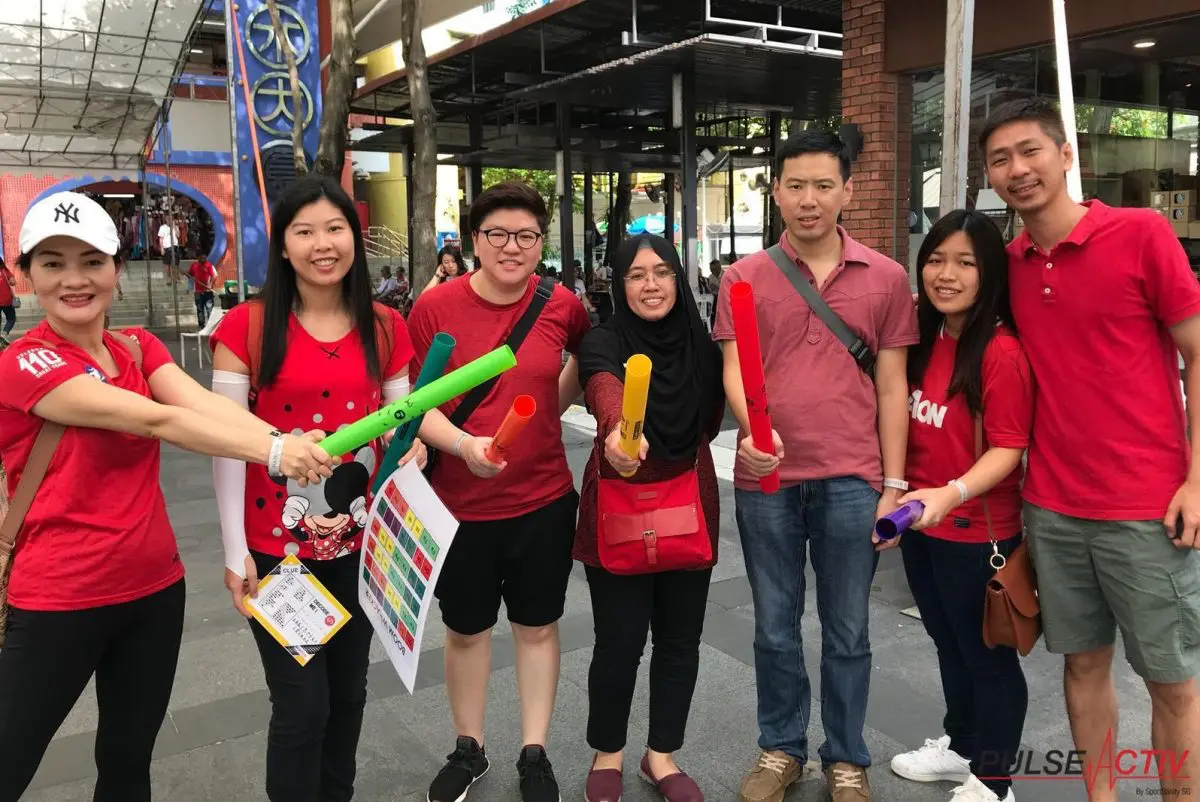
Running Man is PulseActiv’s most recommended activity for first-time corporate clients and consistently generates the strongest post-event feedback. The name suggests a physical race. It is not. Running Man is a series of team-based games where everyone plays together: challenge rounds, collaboration tasks, and competitive elements drawn from the spirit of the television format but redesigned around genuine team engagement. The games are fast, varied, and energetic without being physically demanding, which means the whole group stays in. 

It works for groups up to around 300 participants before the format benefits from adapting to a cluster structure.

Best for: groups of 50 to 300, first-time corporate events, mixed seniority teams, anyone who wants high energy without outdoor exposure. Learn more about Running Man.
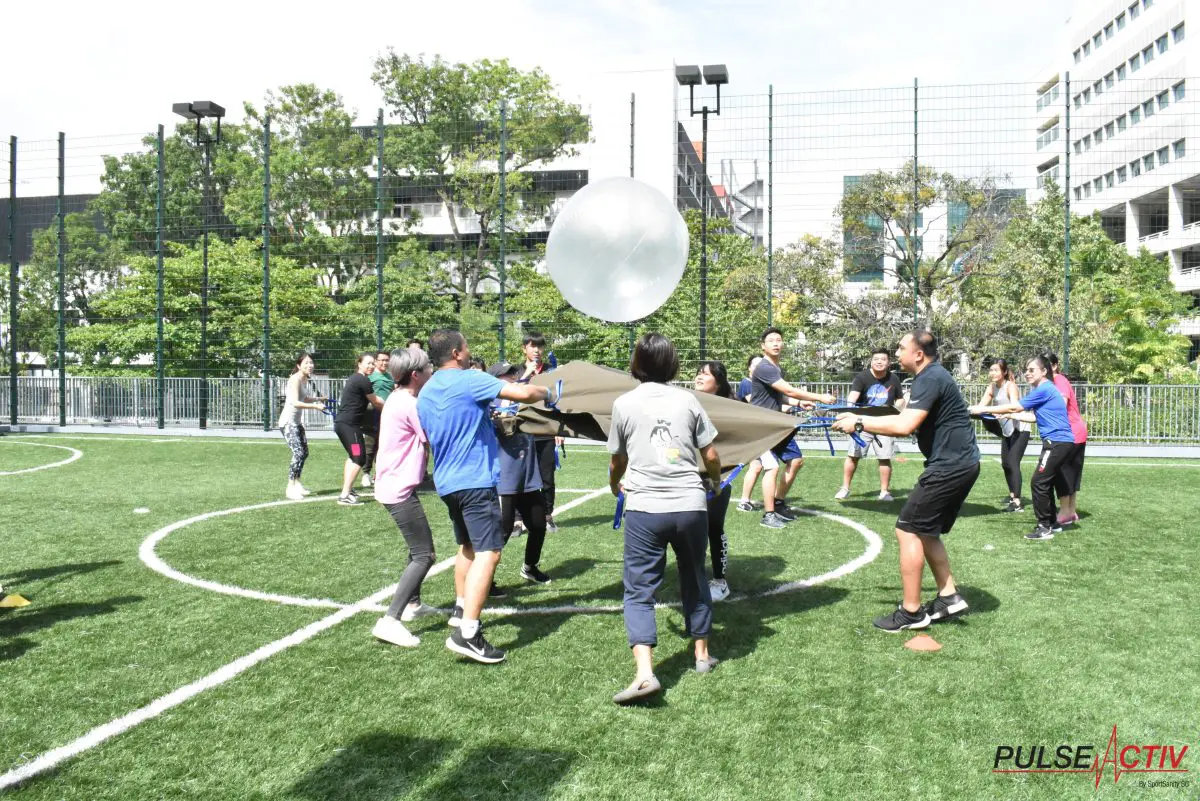
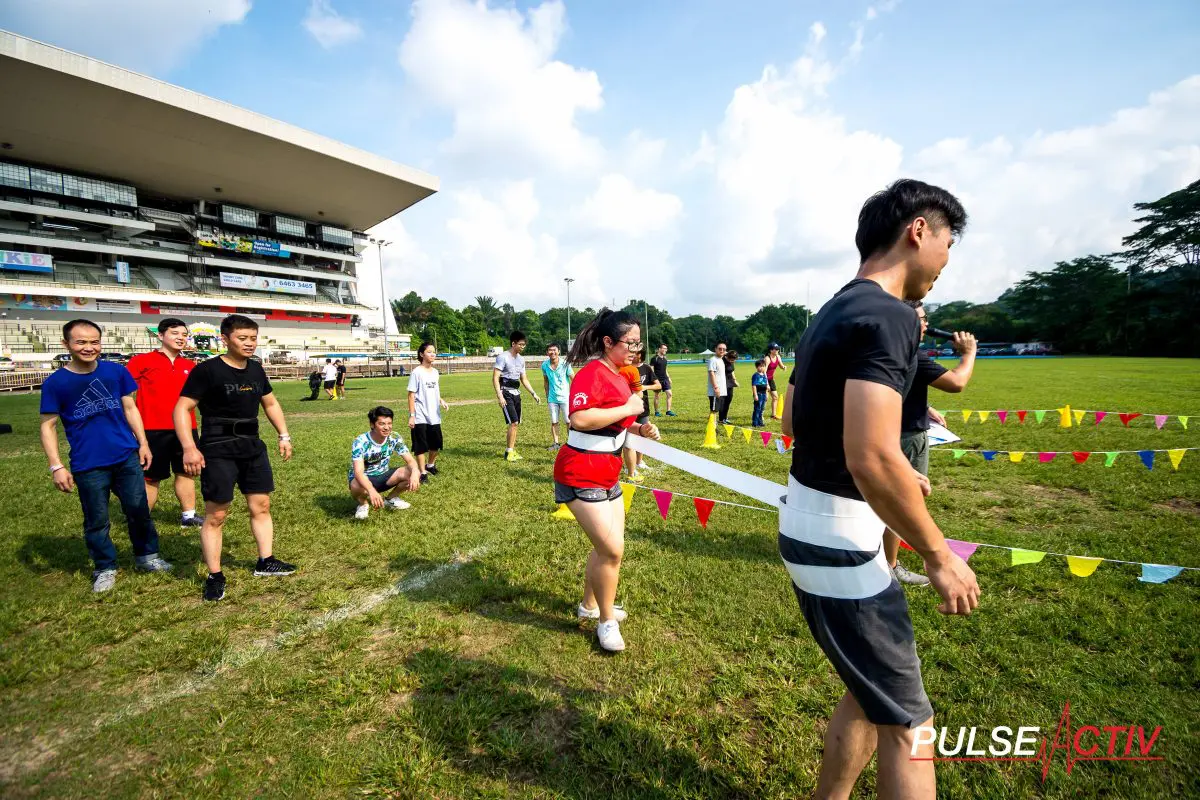
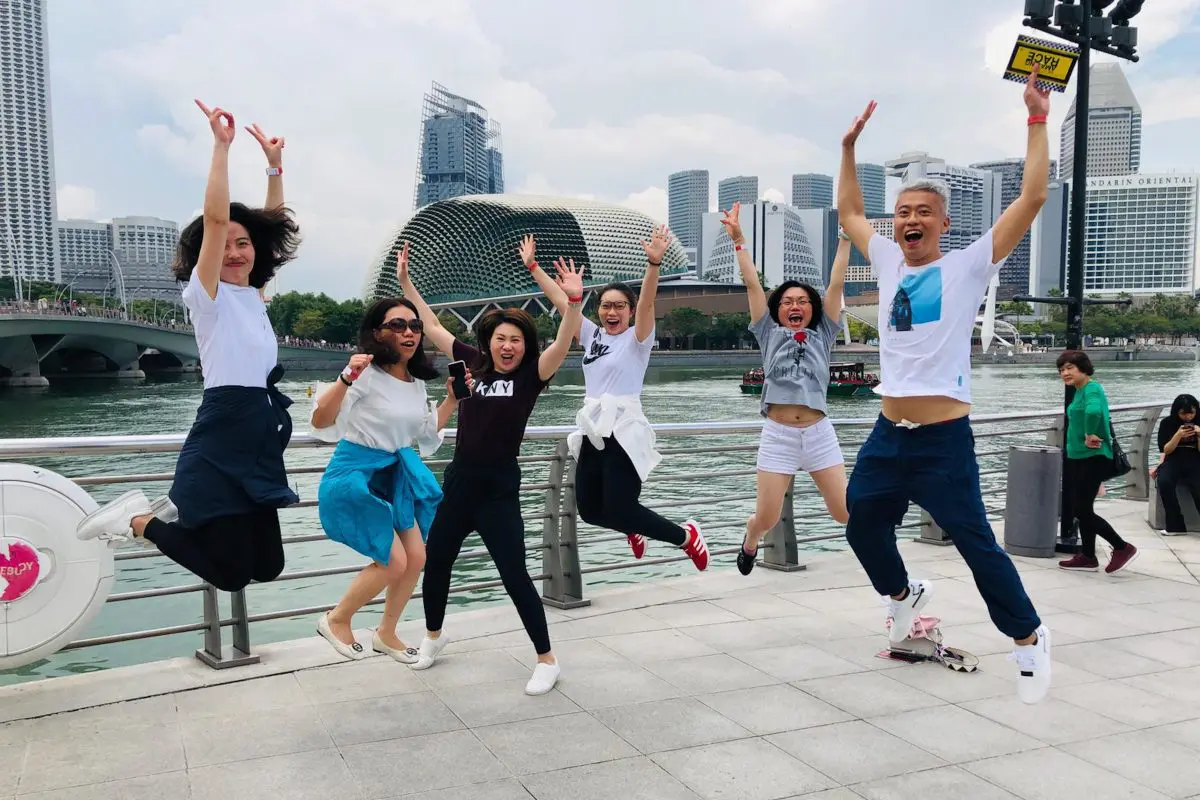
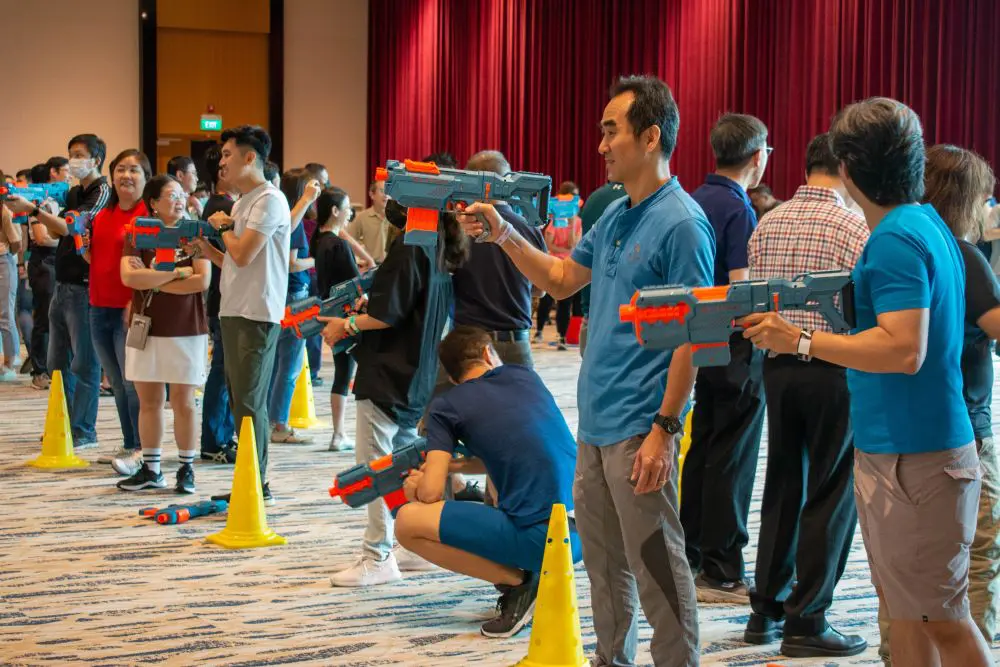
The Running Man Past Activity TB 3

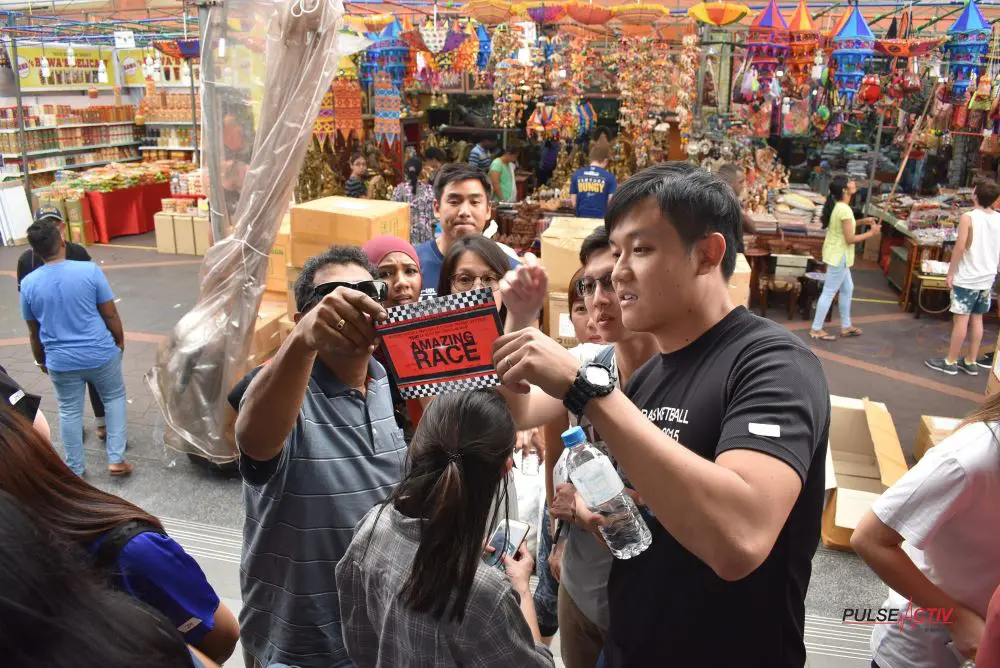
2. Pulse Amazing Race

Pulse Amazing Race is a station-based format where teams move through a series of challenges, with each station designed as a distinct team task rather than individual tests. It works well indoors or in semi-outdoor environments and scales reliably for large groups. The competitive structure, time pressure, and variety of station challenges keep energy high throughout. It is one of the most frequently recommended activities for groups that want movement and competition without committing to a fully outdoor event.

Best for: groups of 50 to 300, mixed-age corporate groups, organisations wanting a structured competitive format. Learn more about Pulse Amazing Race.
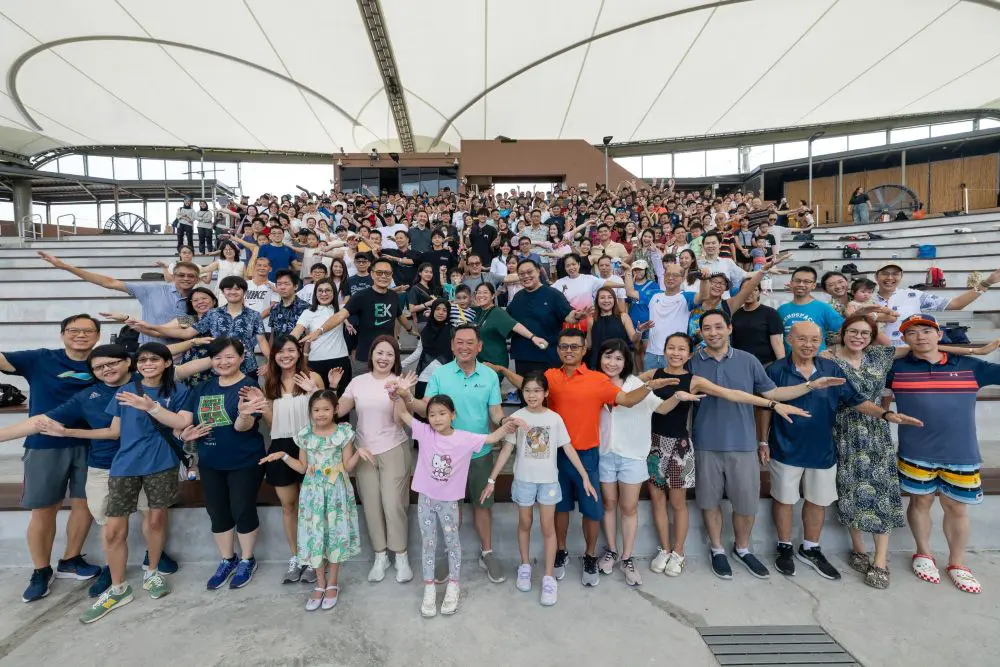
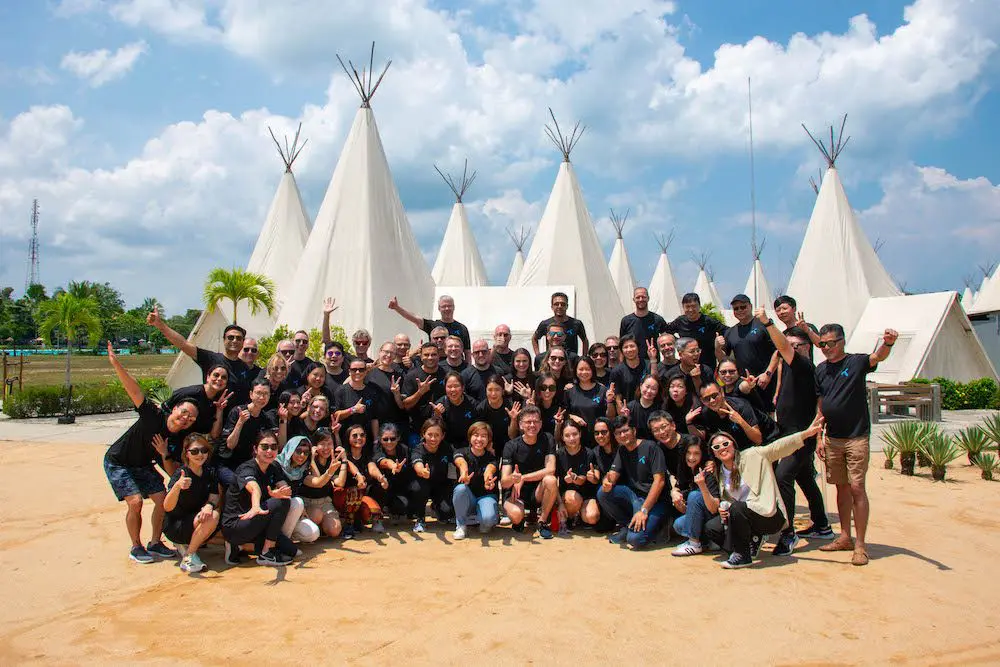
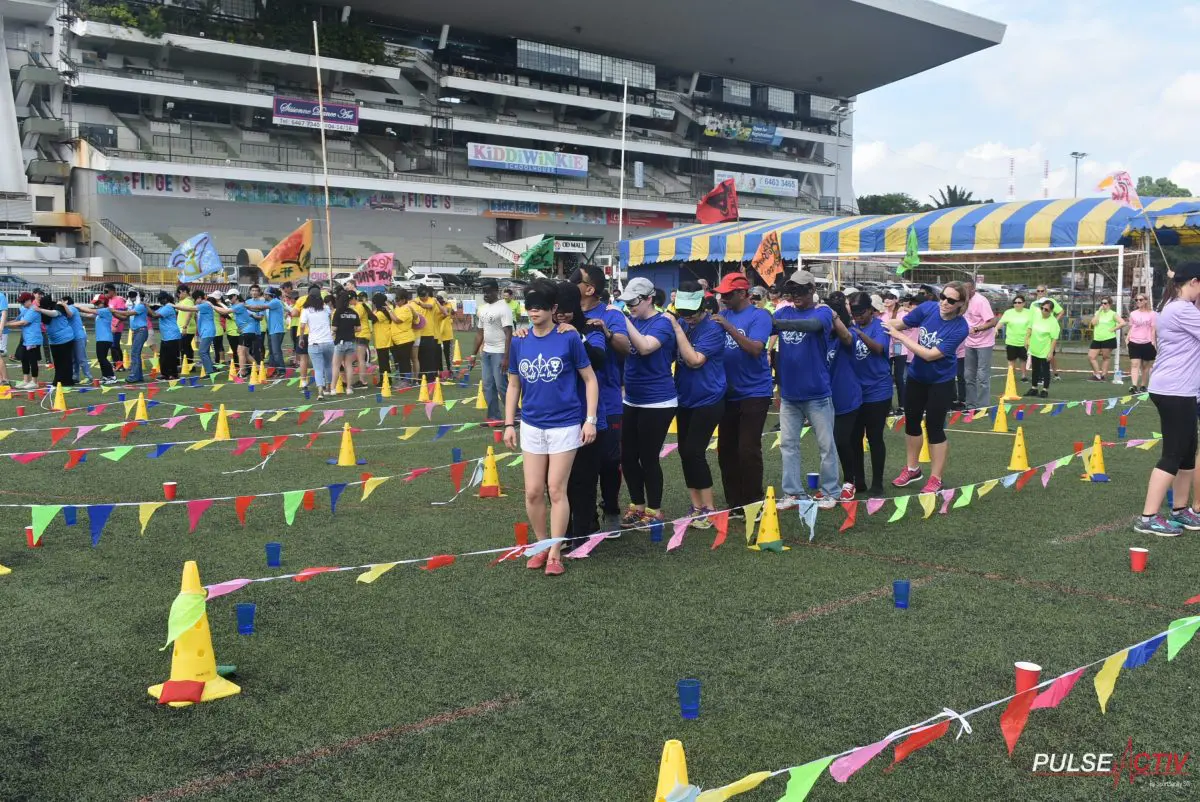
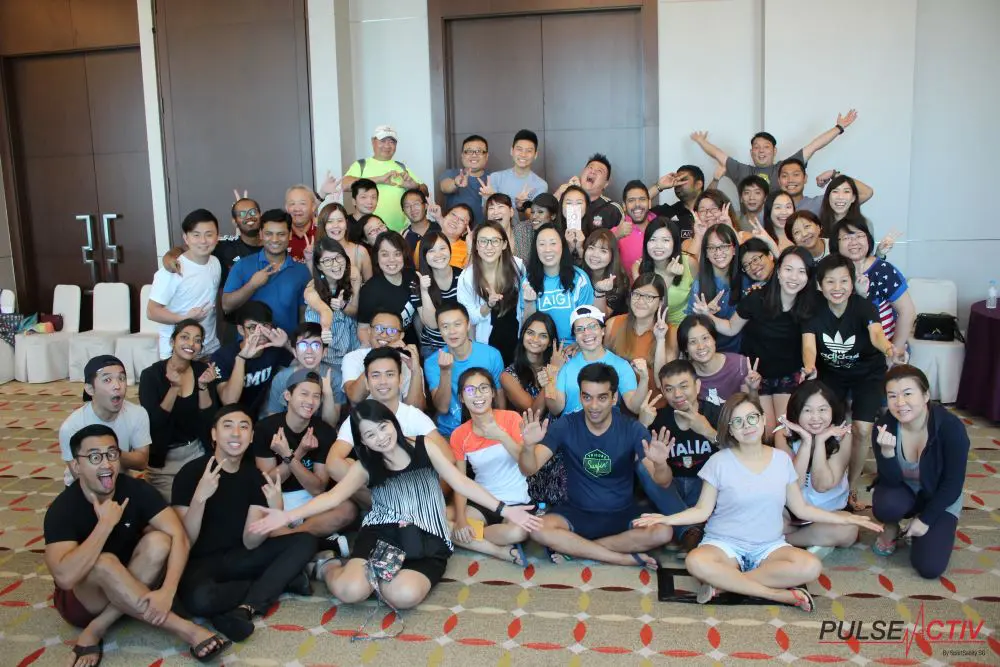
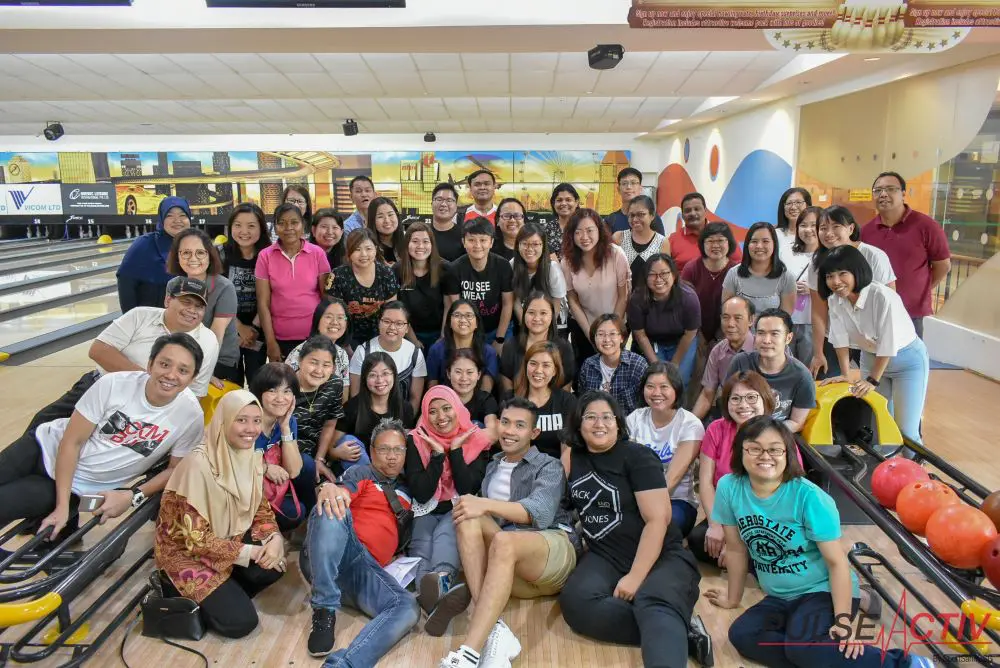
Team Building Events Gallery - Group Photo

3. Mini Olympics and Sports Day

Mini Olympics is one of the most popular choices for large corporate groups in Singapore. It runs in three phases that build to a natural climax. Part 1 is a Telematch section: team-based relay and coordination games that get everyone warmed up and engaged from the start. Part 2 opens into concurrent sports events running simultaneously across the venue, so all teams are active at the same time rather than watching and waiting. Part 3 is the Finale, a high-stakes collective moment such as tug of war, where the day’s scores converge into a decisive group experience.

The format scales from 100 participants up to several hundred. Events can be designed around team strategy rather than individual physical fitness, so mixed-ability groups participate on equal terms. For companies wanting a traditional Sports Day feel with proper facilitation and scoring, this is the format.

Best for: groups of 100 to 500+, annual company days, large milestone celebrations. Learn more about Mini Olympics.
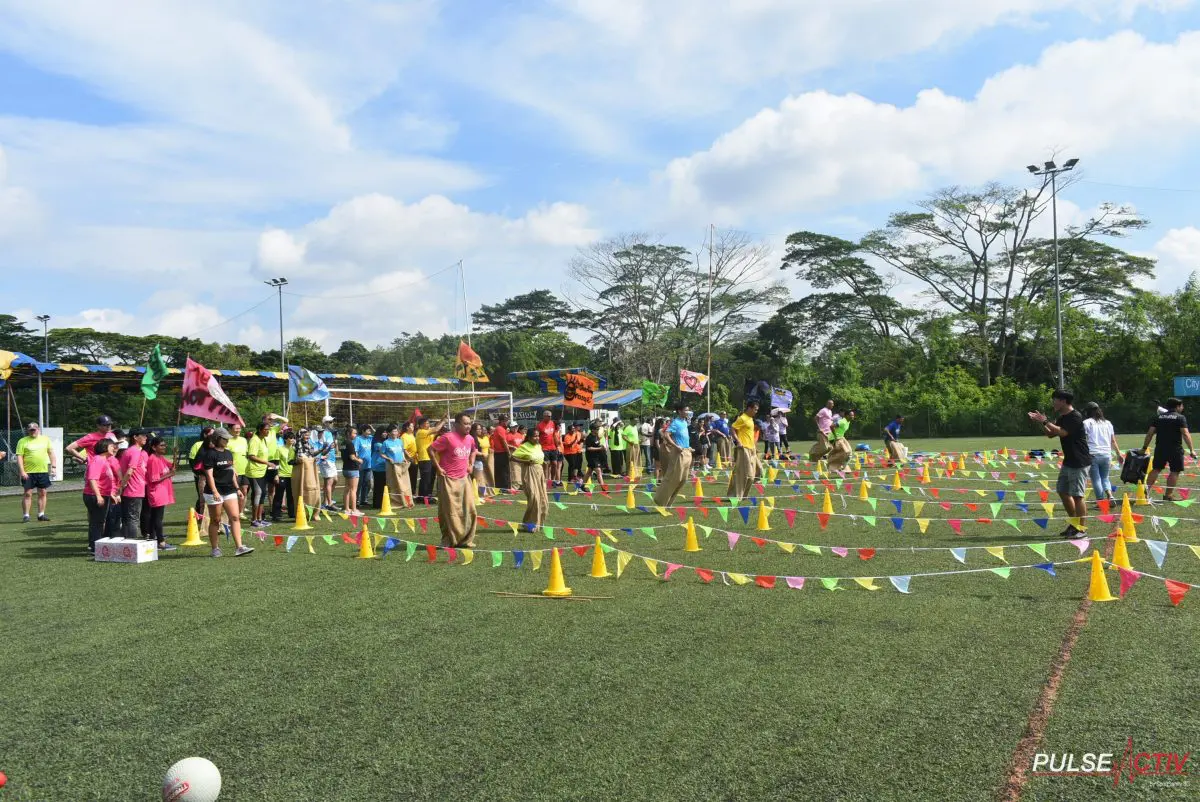
4. Wacky Wars

Wacky Wars is built around friendly head-to-head competition. The design is deliberate: teams go up against each other through a sequence of challenges where competition is the engine driving the energy, not just a backdrop to collaboration. That competitive dynamic, played out in a lighthearted setting, is what makes the event work. Groups get genuinely invested in the outcome, and that investment produces participation rates and event energy that purely collaborative formats often cannot match.

The energy is consistently high, participants regularly describe it as one of the most enjoyable events they have been part of, and it adapts to cluster structures for larger headcounts.

Best for: groups of 50 to 300, organisations wanting a high-energy format with strong competitive team dynamics. Learn more about Wacky Wars
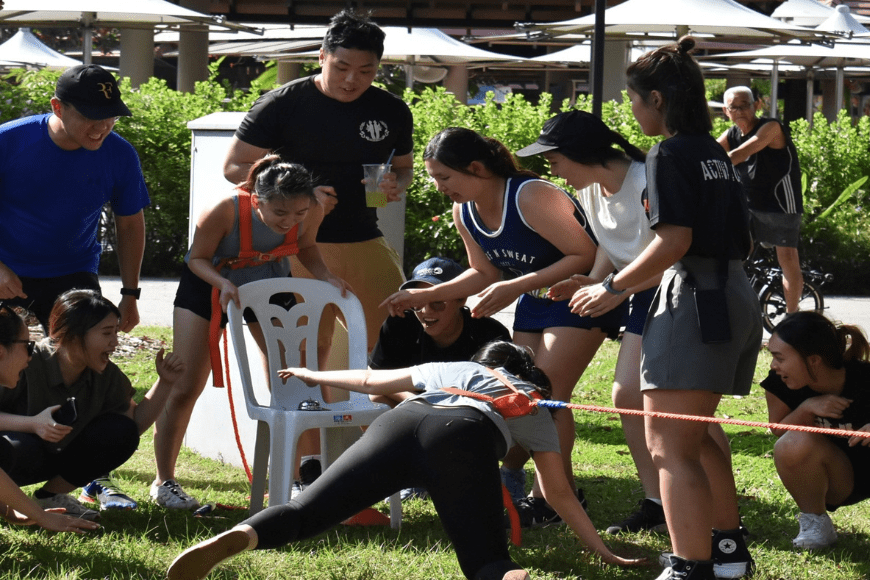
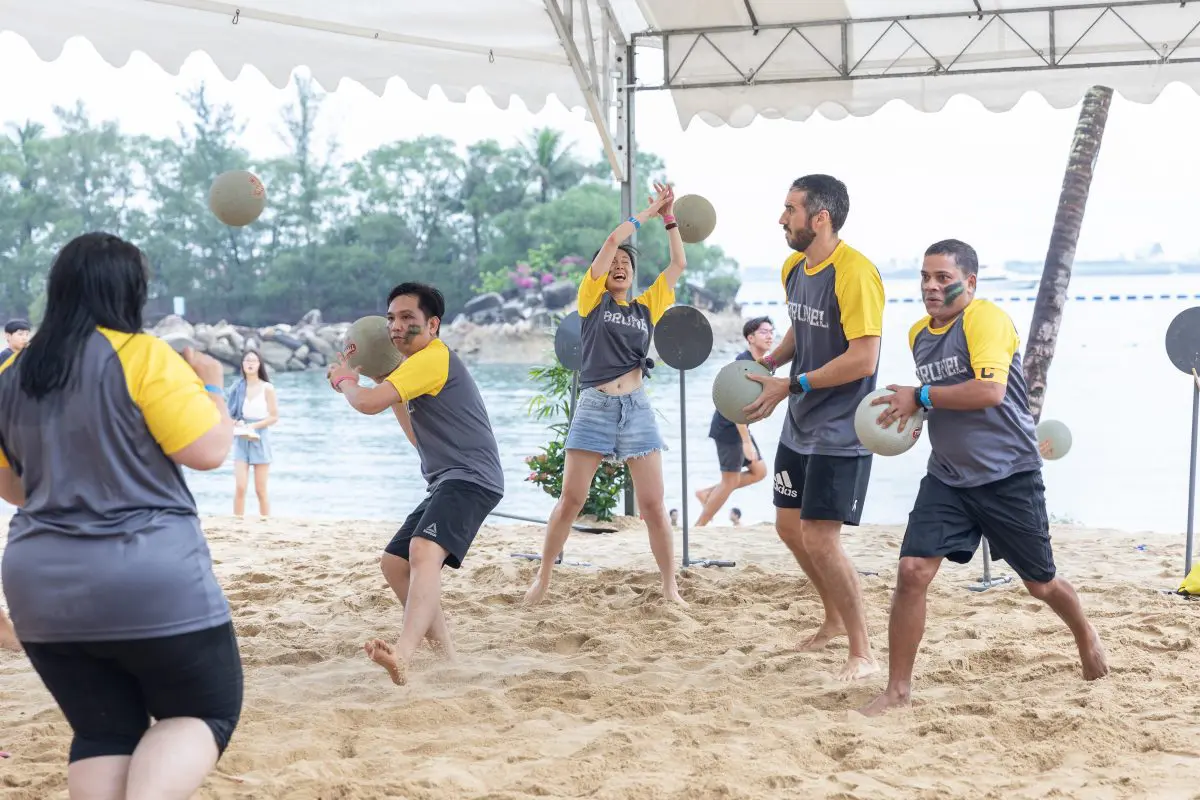
Wacky war past activity

5. Build A Dream Team

Build A Dream Team is the most broadly applicable activity across different corporate group profiles. It is collaborative, table-based, and works across seniority levels without requiring physical activity. Teams work together to build and present their vision of an ideal team, which drives communication, shared thinking, and outcomes that connect directly to workplace dynamics. It is the activity that translates most naturally into a post-event conversation. For first-time clients who are uncertain about group energy or physical ability range, this is often the safest and most meaningful recommendation.

Best for: mixed seniority groups, leadership teams, organisations wanting outcomes that connect to workplace culture. Learn more about Build A Dream Team
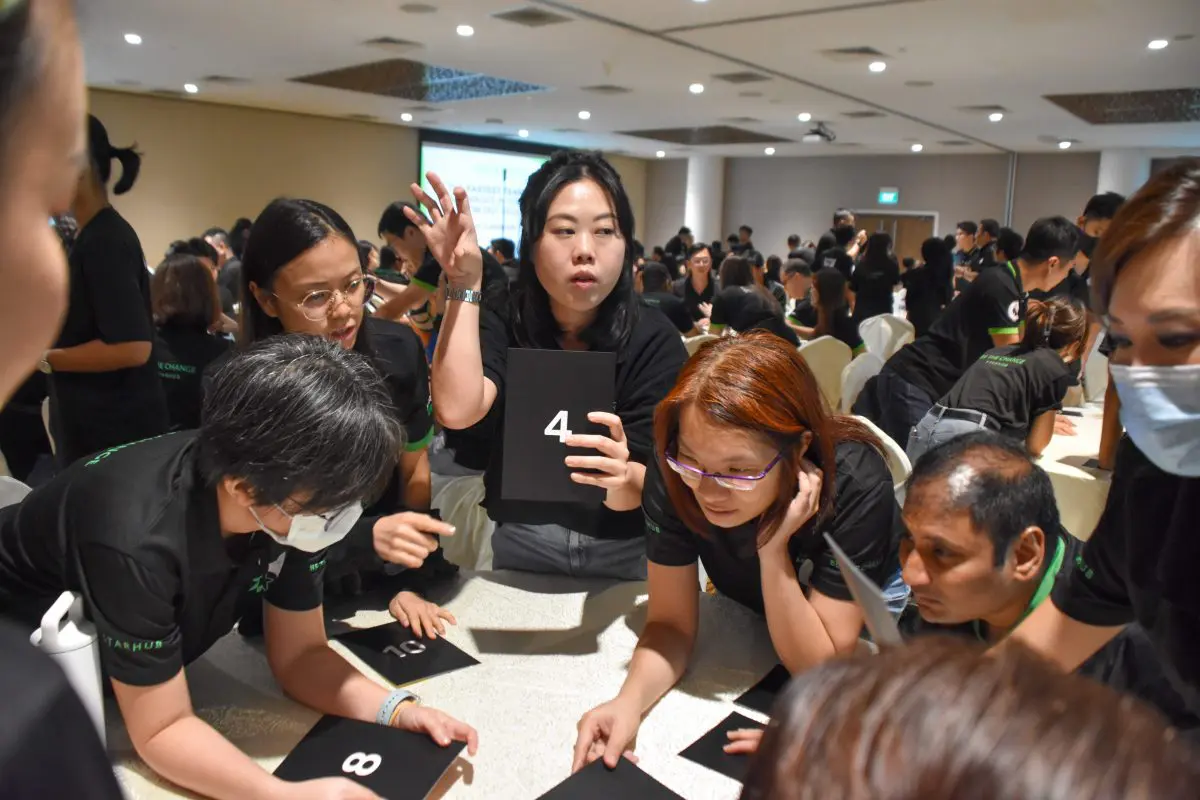
Build A Dream Team Building

6. Build A Car

Build A Car is a hands-on collaborative challenge where teams design and build a working model car together. The format drives clear role assignment, creative problem-solving, and team accountability because the output is tangible and tested. It works well for groups that respond better to building something real than to game-based competition, and the reveal and race element at the end creates a genuine collective moment.

Best for: groups of 30 to 150, organisations focused on collaboration and problem-solving outcomes. Learn more about Build A Car
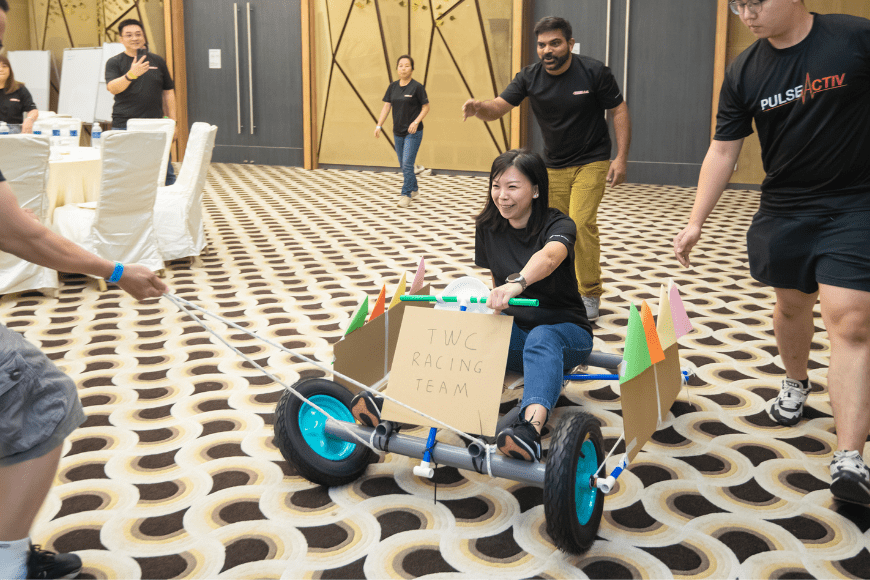
Build A Car Past Activity TB 4

7. Squid Game Team Building

Squid Game Team Building draws on the cultural recognition of the series to create immediate engagement and anticipation. The format uses the visual language and challenge structure of the show but is designed around team participation rather than elimination. It generates strong pre-event buzz and works particularly well for groups that respond to shared cultural references. The format is most effective for groups up to around 150 participants.

Best for: groups of 40 to 150, organisations wanting high novelty and strong pre-event excitement. Learn More about Squid Game
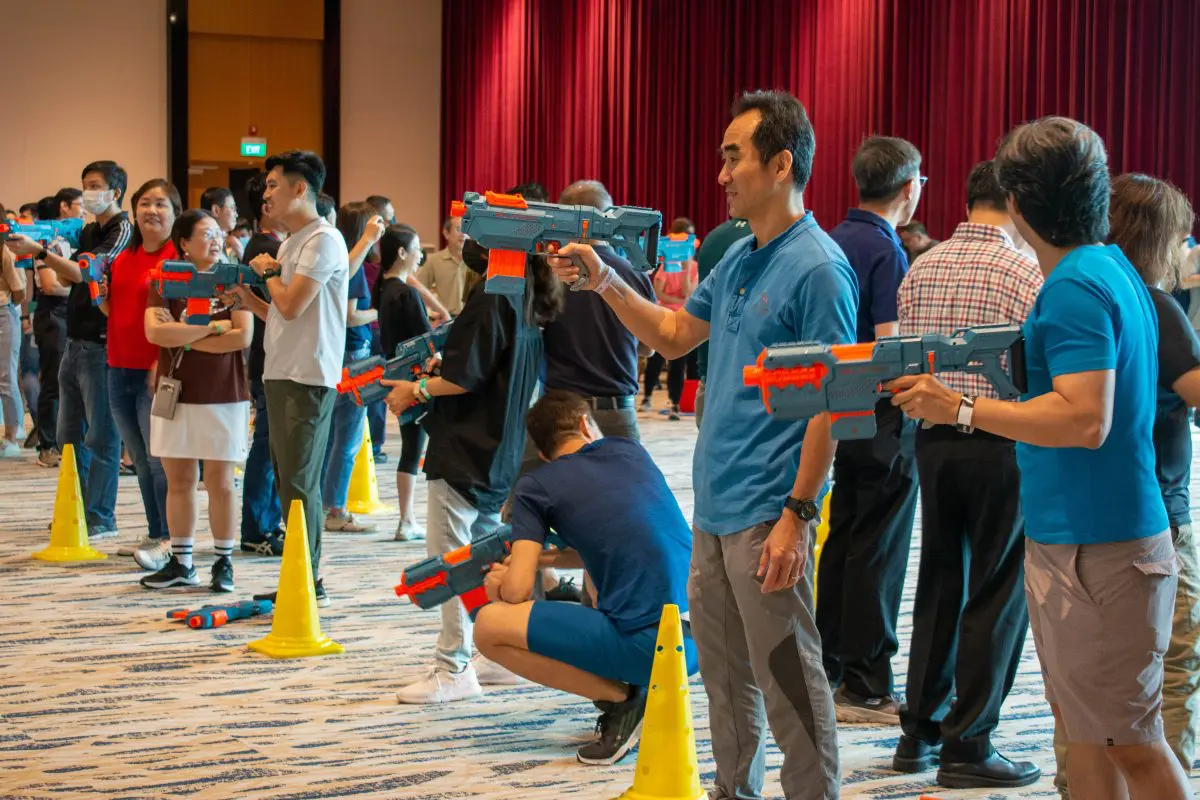
Squid Game

8. Property Typhoon

Property Typhoon blends strategic decision-making with team movement. Teams manage resources, make property investment decisions, and compete across challenges that test both strategy and execution. It scales particularly well for large groups: PulseActiv has run Property Typhoon for over 2,000 participants using a Free and Easy structure where stations are multiplied to ensure no waiting. For organisations wanting a format that feels sophisticated rather than purely physical, this is a strong option.

Best for: groups of 80 to 2,000+, large milestone events, organisations wanting strategy and movement combined. Learn more about Property Typhoon
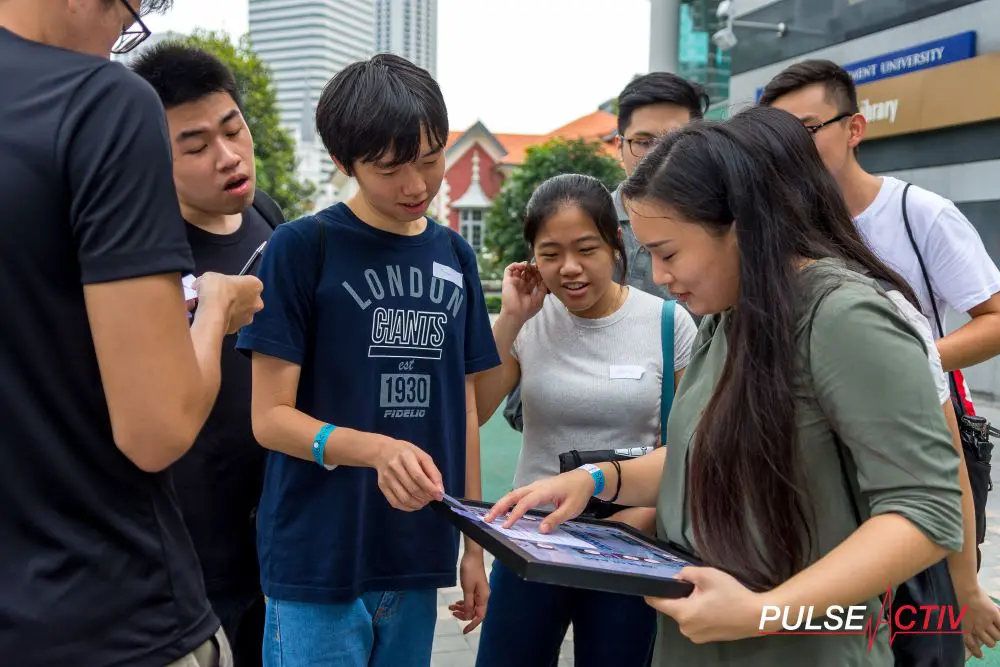
Property Typhoon Team Building Activity

9. CSI Mystery

CSI Mystery is an investigation-format activity where teams work through clues, evidence, and challenges to solve a structured case. It suits groups that prefer mental engagement over physical activity, and it works particularly well for mixed groups where not everyone is comfortable in high-energy formats. The narrative structure keeps participants focused and the debrief creates a genuine shared outcome.

Best for: groups of 30 to 150, mixed groups with varied fitness levels, organisations focused on problem-solving and communication. Learn more about CSI Mystery
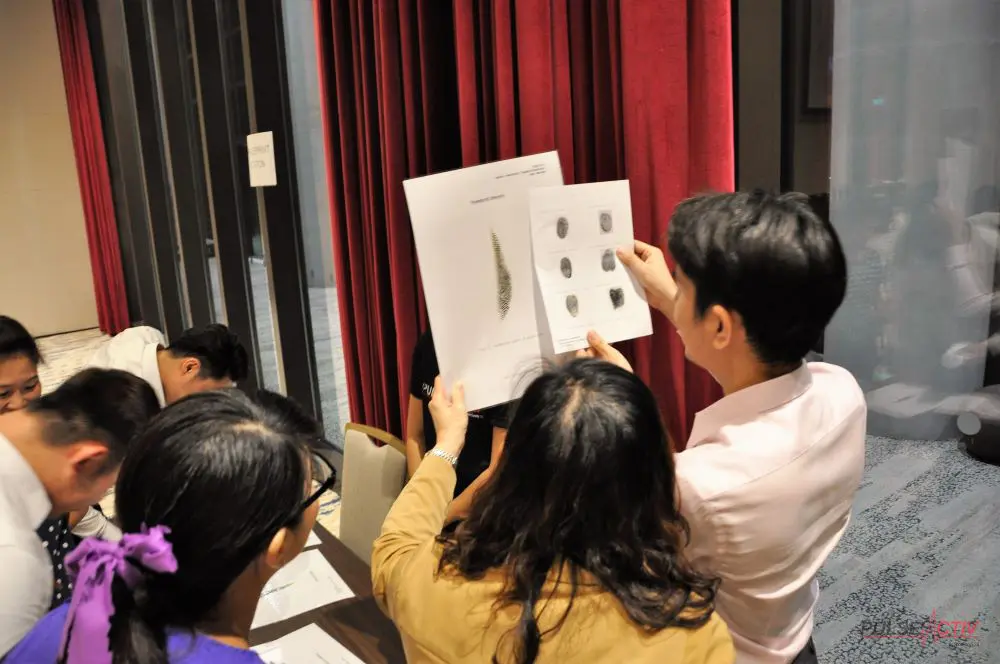
CSI Mystery Past Activity TB 3

10. Light and Social Formats: Makan Kakis, Minute To Win It, and Corporate 100

Not every corporate event calls for competitive energy. These formats sit at the lighter end of the spectrum and are designed to create connection through good times, laughter, and shared experience rather than structured competition.

Makan Kakis centres on food as the bonding medium. Teams work through food-related challenges in a relaxed, social setting where the shared eating experience carries as much weight as the games. It works well as part of a longer event day or as a standalone programme for groups where the goal is a relaxed, enjoyable afternoon together.

Minute To Win It is table-based team bonding at its most accessible. Fast-paced mini challenges, genuine laughter, and a low-pressure atmosphere make it a natural fit for groups that want to have a good time without the intensity of competitive formats. It is consistently one of the most crowd-pleasing activities for mixed groups.

Corporate 100 is an indoor physical challenge format launching soon from PulseActiv, bringing high-energy movement into an office or function room setting for groups that want physical engagement without going outdoors.

Best for: groups of 30 to 100, corporate social events, anniversary celebrations, mixed groups where a relaxed and enjoyable experience is the priority. Learn more about these activities.
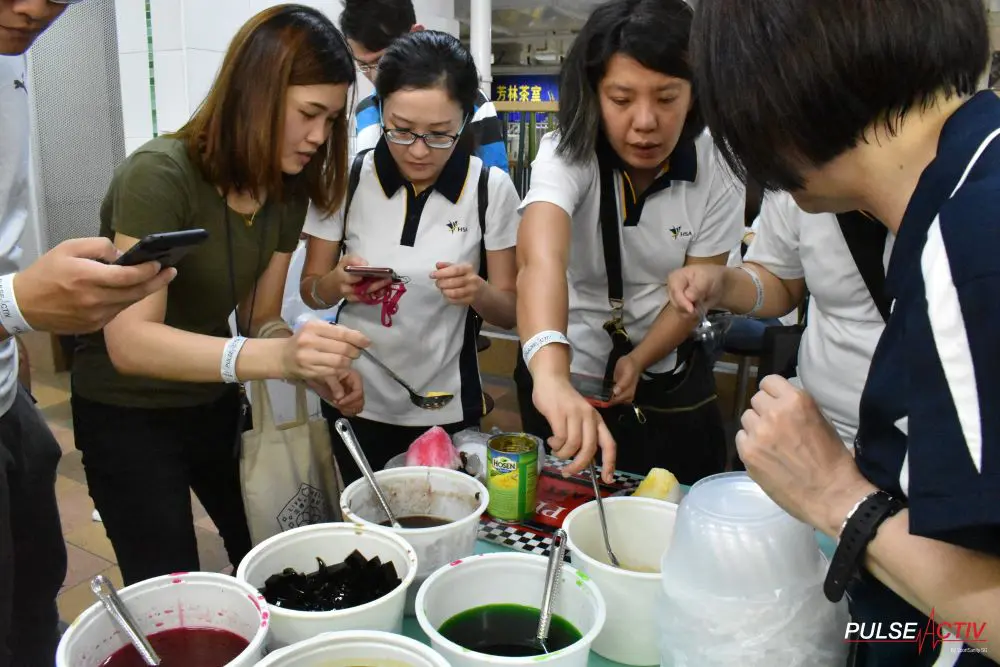
CSR and Community-Giving Formats

For companies with a community giving objective, CSR formats offer a different kind of team bonding. Participants work together toward something that benefits others, which creates a shared sense of purpose that purely competitive or social formats cannot replicate.

Simple CSR formats include hamper building, where teams assemble and pack care packages for donation, and wheelchair assembly, where teams build functional wheelchairs that are donated to charity. CSR Mini Golf is a build-and-play format where teams construct their own golf holes using provided materials, with the finished course donated or repurposed for a charitable cause. These formats are accessible for all fitness levels and work well as part of a longer event day.

More immersive CSR programmes involve participants directly in community outreach: beach cleanups, home cleaning and repair visits, and similar hands-on giving experiences. These are not listed on the standard activity menu but can be arranged for companies with a specific community purpose. Speak to PulseActiv directly if this is the direction you want to take.

Best for: groups of 30 to 200, companies with ESG or community giving objectives, events where a sense of purpose is as important as the team fun. Learn more about these activities.
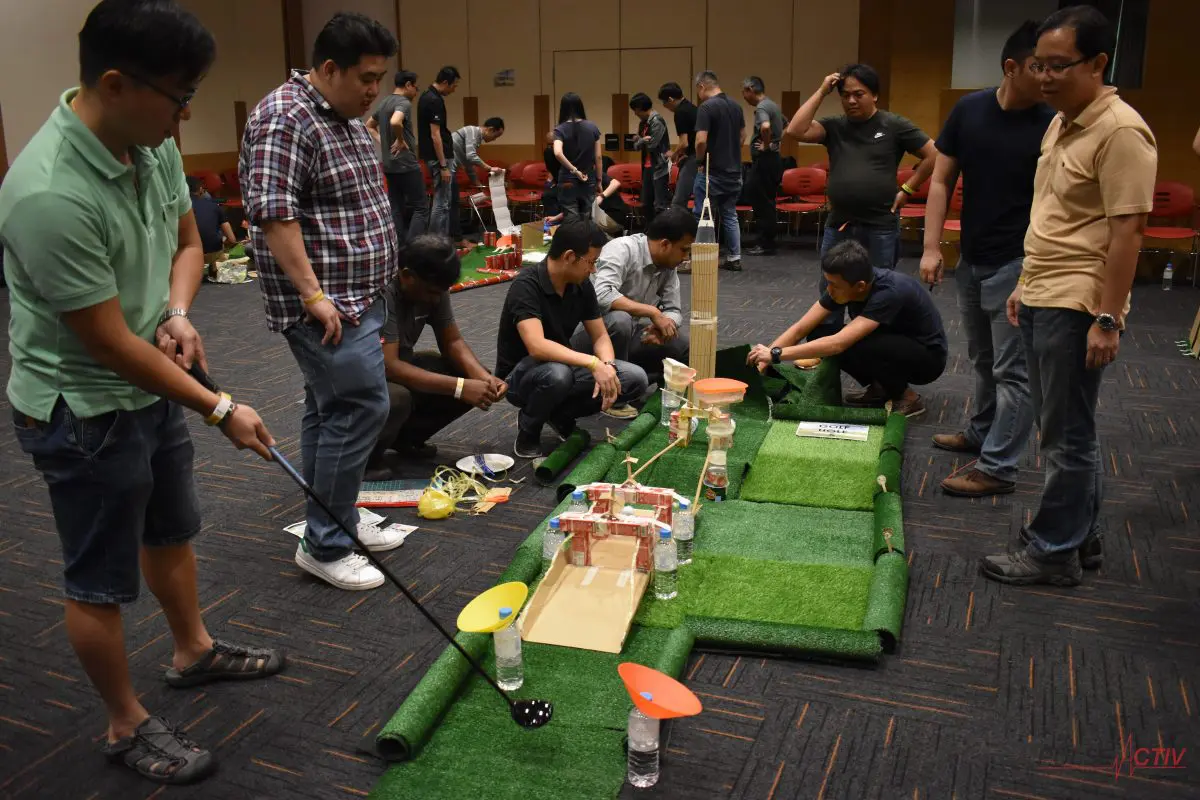
CSR Mini Golf Course Past Activity TB 1

What Actually Makes a Team Building Activity Good?

The activity name is rarely the deciding factor. Three things matter far more.

Facilitation quality

The same activity run by a strong facilitation team and a weak one produces completely different events. Energy, pacing, game explanation, crowd management, and the ability to adapt when something does not go to plan are all driven by the facilitation team, not the activity brief. When evaluating a vendor, the quality of the facilitation team is more important than the activity on offer.

Fit for the group

An activity that works well for one group profile can fall flat with another. A high-energy competitive format for a group that has never met before and includes a wide seniority spread needs different handling than the same format for a tight-knit team. The best activity for your event is the one that fits your specific group, not the one with the most impressive-sounding description.

Scalability

Not all activities scale. What works for 30 people does not automatically work for 200. For large corporate groups, the activity needs to be designed for the headcount: sub-group structure, station count, briefing approach, and facilitation team size all need to match the scale of the event. An activity that cannot be adapted for your group size is not the right activity, regardless of how well it is reviewed.

Activity Recommendations by Group Size

50 to 100 participants

At this size, most activity formats are accessible. Running Man, Wacky Wars, Pulse Amazing Race, and Build A Dream Team all work well. This is also the range where CSI Mystery and Build A Car deliver well-contained, high-quality experiences. The facilitation team is smaller and more adaptable, which gives you flexibility to adjust pacing on the day.

100 to 200 participants

Cluster formats and programmes with concurrent activity streams become more important at this scale. Mini Olympics, Pulse Amazing Race, Running Man (in cluster format for the upper end), and Property Typhoon all scale reliably here. Build A Dream Team continues to work well because its table-based structure is not dependent on floor movement. Avoid formats that require the full group to wait together between stages: at 150 or more participants, that waiting time compounds quickly.

200 to 500+ participants

At this scale, programme design and facilitation team size are the decisive factors. Mini Olympics, Property Typhoon, and Pulse Amazing Race are the most reliable formats. Running Man and Wacky Wars work well in structured cluster formats. For very large groups, the Free and Easy (Power of Choice) structure, where participants choose their own station sequence, gives the event the flexibility to absorb different group sizes and interests simultaneously. PulseActiv has delivered events at this scale for financial institutions, technology companies, and government bodies across Singapore.

The Two Most Misunderstood Activities

Running Man and Wacky Wars are the two activities clients most often misjudge from the name alone. Running Man sounds like a race. Wacky Wars sounds like chaos. Neither is accurate. Running Man is a series of structured team-based games where everyone plays together. Wacky Wars is driven by friendly head-to-head competition that creates genuine investment in the outcome. Both are carefully designed, with facilitation that brings the energy of their respective references without the physical demands or randomness people assume.

They are two of the most consistently well-received activities in the PulseActiv range precisely because the gap between expectation and experience works in the programme’s favour: participants expect fun and get something more structured and rewarding than they anticipated. When facilitated properly, these are not gimmicks. They are among the strongest team engagement formats available.
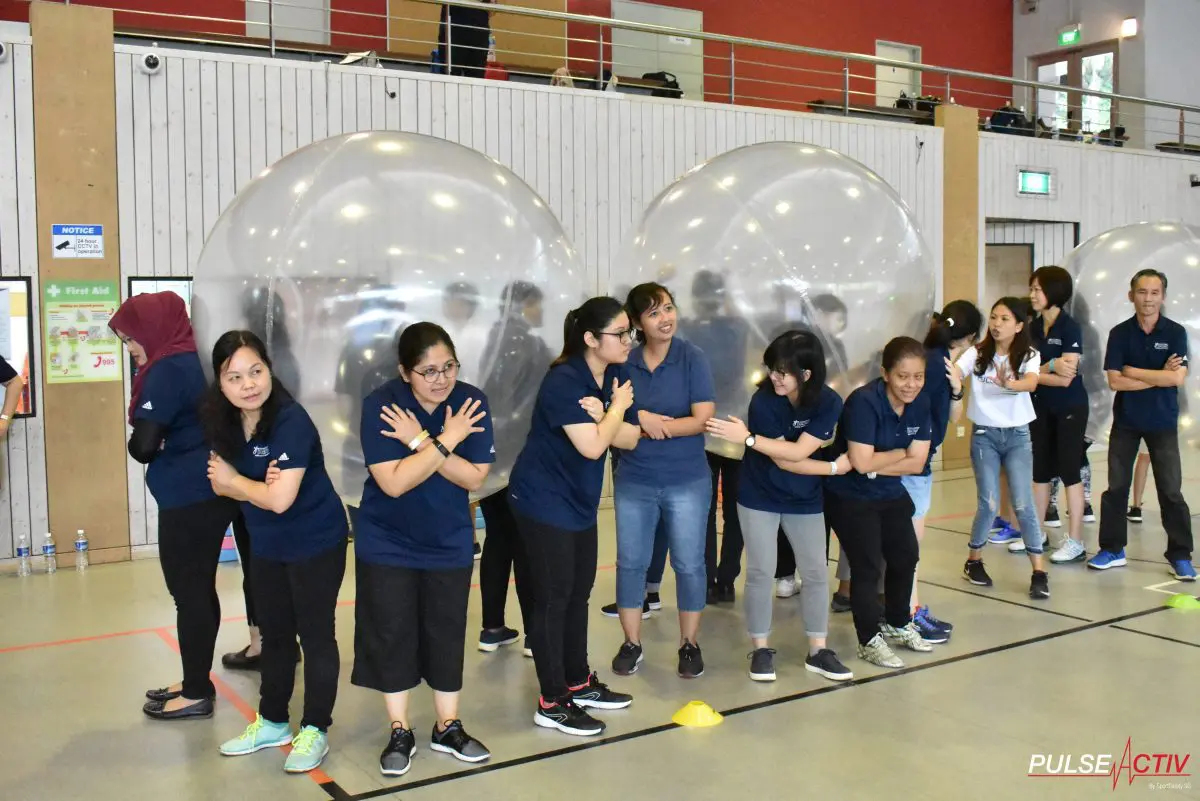
Quick Comparison: Activity Formats at a Glance

Activity

Format

Energy

Best group size

Indoor / Outdoor

Physical intensity

Running Man

Team games

High

50–300

Indoor

Moderate

Pulse Amazing Race

Station-based

High

50–300

Both

Moderate

Mini Olympics

Multi-format

High

100–500+

Both

Moderate

Wacky Wars

Head-to-head

High

50–300

Indoor

Low–Mod

Build A Dream Team

Collaborative

Medium

30–500+

Indoor

Low

Build A Car

Build-based

Medium

30–150

Indoor

Low

Squid Game TB

Team games

High

40–150

Indoor

Moderate

Property Typhoon

Strategic

Med–High

80–2,000+

Both

Low

CSI Mystery

Problem-solving

Medium

30–150

Indoor

Low

Makan Kakis

Social/Relaxed

Relaxed

30–100

Indoor

Low

Minute To Win It

Team bonding

Light

30–150

Indoor

Low

What Corporates Most Often Get Wrong When Choosing

Choosing based on what sounds exciting rather than what fits the group

An activity that looks impressive in a brochure but does not match the group’s comfort level, seniority mix, or energy will underperform every time. The most successful events are chosen by working backwards from the group profile and the objective for the day, not forwards from an activity wishlist.

Underestimating the facilitation question

Two vendors quoting the same activity at different rates are rarely offering the same thing. The facilitation team, its experience with large groups, and its ability to read and adapt to the room on the day are what produce a good event. Price-comparing activities without evaluating the facilitation behind them is one of the most reliable ways to end up disappointed.

Not asking about scalability

An activity that a vendor runs beautifully for 40 people may not translate to 200. Always ask: how do you run this for our group size specifically? What changes in the structure? How many facilitators? If the answer is vague, that is useful information.

How Much Do These Activities Cost?

At PulseActiv, pricing is based on programme duration rather than which activity is chosen. This means the full range of activities listed above is accessible across budget levels. What changes with budget is the quality of execution surrounding the activity: venue, food, prize structure, and production value.

Total event budgets vary depending on whether venue and food are included. At hotel function rooms, venue and food is typically bundled into a single per-head rate starting from $80 per person, which means the venue and food component can look like a single line item rather than a separate cost. External venues work differently and will price separately. For a full breakdown of how to read and plan a corporate team building budget, see our guides on How Much Does Team Building Cost in Singapore and the Corporate Team Building Budget Planning Guide.

Contact us here to enquiry or fill our form for a quote. Click here to read more articles like this. 

Read our guides about Common Mistake when Planning a Team Building Event, How to Choose a Team Building Vendor and Indoor vs Outdoor Team Building Activities.

Frequently Asked Questions

Running Man is consistently one of the most requested and highest-rated activities for large corporate groups in Singapore. It generates strong post-event feedback because the format delivers genuine team energy, collaboration, and fun without the physical demands or weather risk of outdoor events. Mini Olympics and Pulse Amazing Race are also among the most frequently booked for large-group corporate events.

Total event costs depend on how the venue and food are structured. At hotel function rooms, the venue and food component typically starts from $80 per person. Activity and facilitation pricing at PulseActiv is based on programme duration. See our full cost guide for a detailed breakdown of how budget is typically distributed across a corporate team building event.

Mini Olympics, Pulse Amazing Race, Property Typhoon, Running Man, and Wacky Wars all scale reliably for groups of 100 or more when properly designed for the headcount. Build A Dream Team also works well at large scale. The key is that the programme is structured for your group size: cluster formats, adequate facilitation team sizing, and activity formats calibrated to eliminate waiting time. See our guide on team building for large groups for a full breakdown.

Yes. The majority of the activities listed above are designed for indoor environments and can be run year-round regardless of weather. For large corporate groups, indoor is generally the preferred format because it provides consistent comfort, more predictable costs, and removes the weather and logistics variables that complicate outdoor events at scale.

Evaluate on facilitation team experience with your group size, not just activity variety. Ask how many people they deploy for an event your size, what their facilitation structure looks like, and how they have handled events at similar scale before. A vendor who has consistently delivered large-group events in Singapore and can speak specifically to the logistics and design decisions involved is the right choice. Also ask how their programmes are structured: a good vendor designs the full event experience as a package, not a set of components that can be stripped out individually. Price is a factor, but it should be the last comparison you make, not the first.
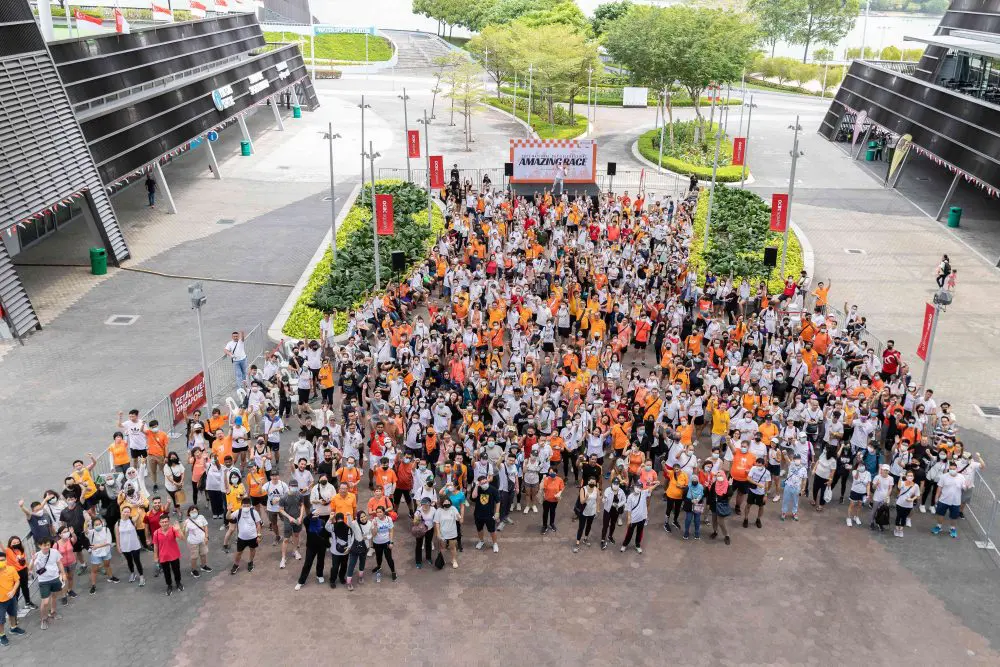
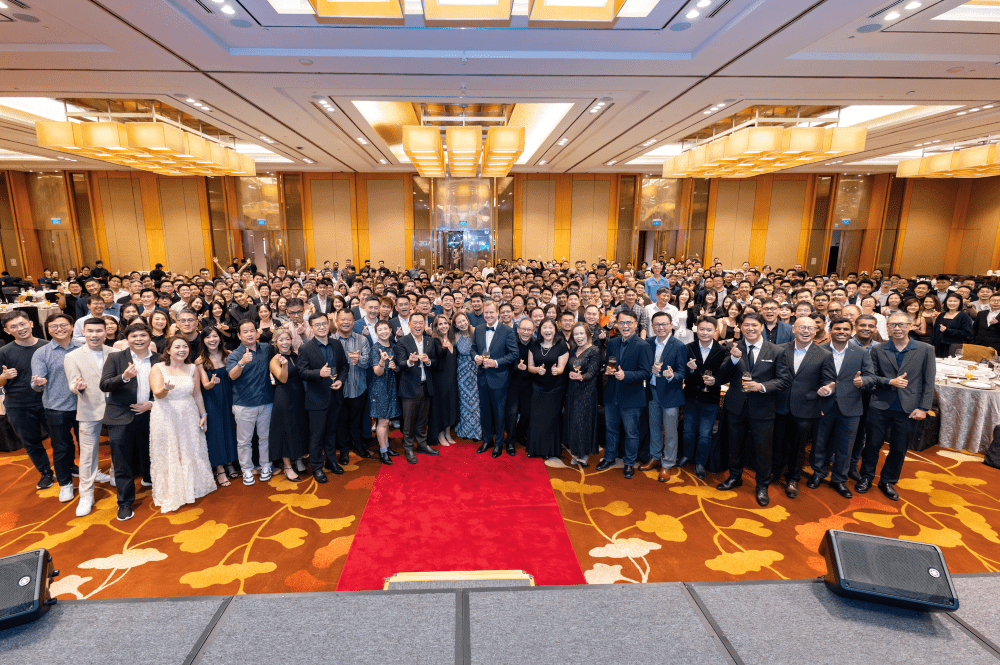
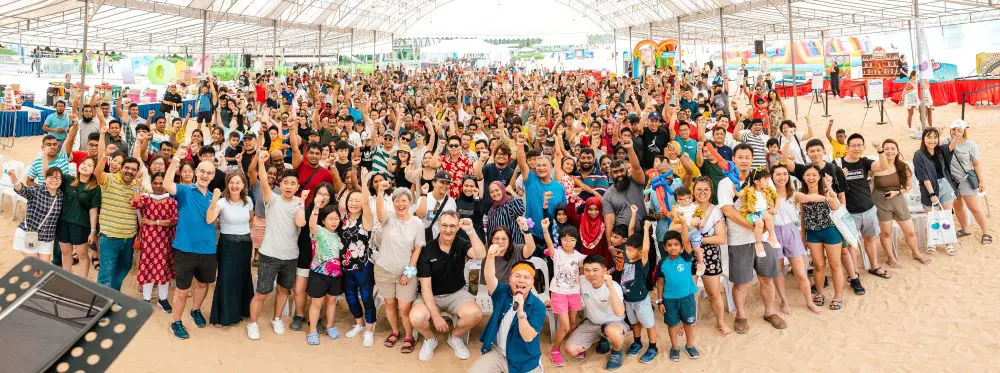
Team Building Events Gallery - Group Photo
Categories
Blogs

How Corporate Teams Celebrate Chinese New Year at Work (Luncheons, Dinner & Dances)

How Corporate Teams Celebrate Chinese New Year at Work (Luncheons, Dinner & Dances)

Chinese New Year is one of the most meaningful festive seasons across Asia, and it is not only celebrated at home but also widely observed in the workplace. Many companies take this opportunity to gather employees, express appreciation, and start the business year on a positive and united note. Even when the celebration is simple, it often becomes one of the most anticipated team events of the year.

Corporate Chinese New Year celebrations are more than just festive meals. They serve as morale boosters, culture builders, and relationship-strengthening moments that help teams reconnect outside their daily work routines.

Why Companies Celebrate Chinese New Year with Their Teams

Workplace Chinese New Year celebrations are a way for organizations to show appreciation and strengthen internal culture. After a year of targets, deadlines, and projects, a festive gathering gives employees space to relax and feel recognized.

These celebrations also encourage interaction between departments that may not usually work closely together. Leaders and staff get to engage in a more informal setting, which helps reduce hierarchy distance and improves communication comfort later on. Starting the year with a shared celebration also sets a more optimistic tone for collaboration and performance.

Corporate CNY Luncheons

CNY corporate luncheons are one of the most common formats because they are efficient, inclusive, and easy to organize. They are usually held during working hours and allow the entire team to participate without needing evening commitments.

A typical luncheon often includes a festive group meal, a prosperity toss session, short appreciation speeches, and light engagement segments. Some companies also include lucky draws or simple interactive moments to keep the energy lively. Even within a short timeframe, a well-run luncheon can create a strong sense of togetherness.

Chinese New Year Dinner & Dance Events

For companies that want a larger and more immersive celebration, Chinese New Year Dinner & Dance events are a popular choice. These are usually evening programs with a more structured flow and a stronger entertainment element.

Dinner & Dance celebrations often include hosted segments, themed décor, performances, recognition moments, and interactive stage activities. Because the setting is more relaxed and celebratory, employees tend to open up more socially. This helps build genuine connections and shared memories that last beyond the event itself.

Team Activities and Festive Games

Interactive segments are often what make Chinese New Year corporate celebrations truly memorable. Instead of only dining together, many companies include short engagement activities to bring energy into the room.

Festive trivia challenges are common. Chinese New Year–themed mini games are also popular. Some teams enjoy prosperity or Ang Bao challenges, while others run lucky draw segments or photo contests. These moments create laughter and shared experiences, which naturally support team bonding.

How Chinese New Year Celebrations Support Team Building

Although these events feel festive and light, they contribute directly to team building and morale. Shared positive experiences help employees feel emotionally connected to their workplace. Cross-team conversations happen more naturally, and new relationships often form during these gatherings.

Recognition segments also play an important role. When employees are appreciated publicly, motivation and loyalty tend to increase. A well-designed celebration becomes more than a social event, it becomes a culture-building moment.

Creating a Smooth and Meaningful Corporate CNY Event

A successful Chinese New Year corporate event usually comes down to thoughtful planning and program design. The flow of activities, timing of segments, and level of interaction all shape how engaged the team feels. Many organizations choose to work with professional event planners to design structured Chinese New Year luncheons and Dinner & Dance programs. With proper coordination, hosting, and engagement design, the celebration feels purposeful rather than routine.

PulseActiv provide corporate luncheon and Dinner & Dance programs that combine festive atmosphere with interactive elements and structured engagement, helping organizations celebrate while strengthening team spirit at the same time.

When done well, a Chinese New Year workplace celebration is not just a festive gathering. It becomes a positive shared starting point for the year ahead.

Click here to read more of our articles and click here to explore our Luncheons, Dinner & Dance services.

Corporate Dinner
Categories
Blogs

Why Team Building and Management Is the Key to a Successful and Well-Adjusted Team

Why Team Building and Management Is the Key to a Successful and Well-Adjusted Team

In today’s uncertain economy, having a reliable, high-performing team is one of the greatest assets a company can have. Finding and training new employees is not only expensive but also time-consuming, making it more important than ever to retain and strengthen the team you already have. This is where effective team management and engaging team building activities play a vital role. A strong, well-adjusted team doesn’t just happen—it’s built through consistent effort, trust, and shared experiences.

The Importance of a Strong Team

Every successful business is powered by the people behind it. When a team feels connected, supported, and aligned, the results show up in better collaboration, higher productivity, and stronger morale. On the other hand, when teams are disconnected, it leads to miscommunication, lower engagement, and eventually higher turnover—something companies can’t afford in today’s job market.

Why Team Management Matters

Strong management sets the tone for a healthy workplace. Leaders who provide clear direction, constructive feedback, and genuine support create an environment where employees feel valued and motivated. Effective managers:

  • Define roles and expectations clearly.

  • Recognize and reward contributions.

  • Foster open communication and inclusivity.

  • Resolve conflicts before they escalate.

This level of management builds trust and ensures that employees work together as one unit rather than in silos.

How Team Building Helps in Today’s Workplace

While management sets the structure, team building activities bring energy and connection to the workplace. These activities help employees bond, collaborate, and see each other beyond job titles. Even simple office activities can create meaningful impact, such as:

  • Coffee catch-ups or lunch rotations to build cross-departmental connections.

  • Office trivia or quiz challenges to spark friendly competition.

  • Milestone celebrations that recognize individual and team achievements.

  • Wellness breaks like group stretching, walking meetings, or yoga sessions.

  • Theme days (casual Fridays, jersey day, or festive dress-up) to lighten the mood.

These smaller efforts, combined with larger corporate team building events, help create a balanced mix of daily connection and big-picture bonding.

Why Fun Team Bonding Activities Work Best

Dedicated team building events have a bigger impact because they allow employees to step outside their routine and engage in creative, physical, or playful challenges together. These shared experiences build stronger relationships, reduce stress, and encourage innovation. Some popular team building activities in Singapore include:

  • Mini Olympics – Fun competitive games like relay races, tug-of-war, and obstacle courses bring energy and camaraderie.

  • Dragon Boat Racing – A thrilling outdoor activity that requires teamwork, rhythm, and unity to succeed.

  • Corporate Carnival Days – With booths, games, and lighthearted contests, this creates a festive and memorable experience.

  • Board Game & Puzzle Challenges – Perfect for strategy, problem-solving, and relaxed bonding.

  • Charity & Volunteer Events – Working together for a meaningful cause builds purpose and shared values.

  • Creative Workshops – Activities like painting, crafting, or building projects encourage creativity and reveal hidden talents.

  • Sports or Fitness Sessions – From yoga classes to football matches, physical activities promote wellness and team spirit.

These events aren’t just “fun days out.” They directly contribute to better communication, higher trust, and a stronger workplace culture that employees want to stay in.

The Advantages of Prioritizing Team Building

When companies consistently invest in team building activities and good management, the benefits extend far beyond the event itself:

  • Employee Retention – Happier, more connected employees are less likely to leave.

  • Increased Productivity – Stronger collaboration means smoother workflows.

  • Innovation & Problem-Solving – A bonded team shares ideas more freely.

  • Resilient Culture – Teams that enjoy working together adapt better to challenges.

  • Employer Branding – A positive culture attracts top talent in a competitive market.

Final Thoughts

In a competitive economy where replacing employees is costly, team building and effective management are the keys to building a successful and well-adjusted team. From small in-office activities to larger events like Mini Olympics, Dragon Boat Racing, or Corporate Carnivals, these experiences create lasting bonds, boost morale, and strengthen workplace culture.

At the end of the day, a company is only as strong as the people driving it forward. By investing in consistent management practices and meaningful team building activities in Singapore, organizations can create resilient, motivated, and happy teams that thrive together.

Corporate Dinner & Dance Events Singapore | PulseActiv
Categories
Blogs

Planning Ahead for Your Corporate Events, Team Building Activities, Family Days & Company Dinners

Planning Ahead for Your Corporate Events, Team Building Activities, Family Days & Company Dinners

In Singapore, the second half of the year is one of the busiest seasons for corporate events. From team building activities and family days to company outings and celebration dinners, many organisations are taking the opportunity to reconnect, reward, and celebrate with their teams.

If you’ve been thinking about organising an event for your company, there’s one golden rule to keep in mind — plan ahead. Starting preparations at least 1 to 2 months in advance can make a huge difference in securing the best venues, activities, and overall experience for your employees.

Why Planning Ahead Matters

1. Venues & Vendors Get Booked Out Quickly

Singapore has plenty of fantastic venues, from beautiful outdoor spaces like Sentosa and Gardens by the Bay to stylish restaurants and function halls. But with so many companies hosting events during this peak period, slots fill up fast. Early planning gives you more choices and flexibility — whether it’s your dream location, the perfect caterer, or exciting entertainment options.

2. More Time to Design Engaging Programmes

Every company has different objectives — some want fun team bonding activities, others prefer family-friendly carnival games, while some aim for an elegant awards dinner. By starting early, you’ll have time to customise the event programme to suit your goals, team size, and budget, instead of rushing into a “one-size-fits-all” plan.

3. Less Stress, Better Execution

Corporate events involve lots of moving parts — logistics, food, activities, transport, coordination and more. The earlier you start, the more time you have to plan every detail properly. This means fewer last-minute changes, fewer surprises, and a smoother, more enjoyable experience for everyone on the day itself.

4. Budgeting Becomes Easier

When you start planning early, you’ll have more room to compare options, negotiate better rates, and control costs. On the other hand, leaving things to the last minute often means paying higher prices or having to settle for limited choices.

5. More Time to Choose & Explore

Planning ahead gives you the freedom to explore different ideas and options before making a decision. Whether it’s shortlisting multiple venues, testing out new activity concepts, or exploring different catering menus, you’ll have the chance to compare and select what truly suits your company’s culture and preferences. This way, you’re not forced to compromise — you get the event you actually want, not just what’s left.

The Trend in Singapore Right Now

More and more companies in Singapore are making time to bring their teams together — whether it’s a team building day to strengthen collaboration, a family day to celebrate with loved ones, or a company dinner to recognise achievements.

After years of hybrid work and busy schedules, there’s a growing demand for meaningful, shared experiences. Many organisations have already started locking in their dates and venues for the coming months, which is why it’s important to plan early if you want the best options.

Now Is the Perfect Time to Start Planning

We’re entering the prime season for:

  • Team Building Events & Activities

  • Company Outings & Off-Sites

  • Family Day Celebrations

  • Gala & Appreciation Dinners

  • Overseas Retreats

Many companies are already locking in their dates, venues, and programmes. Don’t get left behind — start planning now to ensure you get the best experiences for your team.

How We Can Help

If you’re not sure where to start, working with an experienced event organiser can make the process easier and stress-free. At PulseActiv, we’ve helped over 2,500 events in Singapore design and run team building activities, family days, company outings, and gala dinners. Our team works closely with you to craft events that are fun, memorable, and meaningful while taking care of all the behind-the-scenes details.

Whether you’re planning something small and simple or a large-scale company celebration, we’re here to make the process smoother and more enjoyable.

Start planning today and secure your preferred dates before the peak season kicks in!

Categories
Blogs

Planning the Perfect Corporate Retreat in Singapore: Without Stress

Planning the Perfect Corporate Retreat in Singapore: Without Stress

In today’s fast-paced and hyper-connected world, hitting “pause” isn’t a luxury, it’s a necessity. More than just a company getaway, a corporate retreat is your opportunity to recharge your team, realign your goals, and reignite collaboration. But let’s face it: planning one can feel overwhelming.

From choosing the right venue to designing an engaging agenda and managing logistics, it’s easy to lose sight of what really matters: creating meaningful, lasting impact for your team.

At PulseActiv, we’ve helped hundreds of organisations across Singapore design corporate retreats that are not just fun but also purposeful, energising, and results-driven. In this guide, we’ll walk you through how to plan the perfect retreat (without the stress), and show you how to create an experience your team will be talking about for years.

Start With Clear & Powerful Objectives

Before you dive into locations or activities, take a step back and ask: Why are we planning this retreat?

Some of the most common (and effective) objectives include:

  • Reconnection: Rebuilding human connection after hybrid or remote work.

  • Alignment: Clarifying company goals, vision, or strategies.

  • Celebration: Recognising achievements and rewarding high performers.

  • Skill Development: Fostering leadership, collaboration, and communication.

  • Culture Building: Strengthening bonds and reinforcing values.

Tip: Invite leadership and HR to co-create a short objective statement. This becomes your North Star when planning.

Choose the Right Format: Onsite, Offsite, or Even Overseas?

Not all retreats need to be far from home, but the environment matters. The right setting can help your team disconnect from daily stress and re-engage on a deeper level.

Here are three formats to consider:

1. Onsite or Near-Site Retreats

  • Great for half-day or 1-day events.

  • Budget-friendly and easy to coordinate.

  • Ideal for light reboots or cultural resets.

2. Offsite Retreats

  • Removes distractions and promotes full immersion.

  • Perfect for strategic planning, big-picture discussions, or team bonding.

  • Locations can range from Sentosa to rustic beach resorts in Bintan.

3. Overseas Retreats

  • Great for regional teams or year-end wrap-ups.

  • Creates once-in-a-lifetime memories.

  • Requires more planning, but PulseActiv handles everything for you — from visas to venue bookings.

Craft an Engaging, Balanced Agenda

The best retreats strike a balance between fun, focus, and flexibility. A well-designed agenda energises, not exhausts.

Here’s a sample full-day flow you can use as inspiration:

TimeActivity
9:00 AMWelcome Icebreaker & Goal-Setting
10:00 AMTeam Strategy Challenge (e.g., Property Typhoon)
12:00 PMLunch & Light Energiser
1:30 PMOutdoor Adventure (e.g., Ultimate Survivor)
4:00 PMReflection, Awards & Photo Moments
6:00 PMDinner, Social Mixer or Casual Networking
 

Tip: Schedule moments for reflection, not just action. It deepens the impact and reinforces takeaways.

Make It Unique with Purposeful Activities

Your retreat should reflect your team’s personality and purpose. Here are just a few popular options from our diverse catalogue:

Mini Olympics

Fun, friendly and competitive. Sports-based challenges with a corporate twist. Great for all fitness levels.

Mini Olympics Past Activity TB 2

Pulse Amazing Race

Navigate the city while cracking clues and overcoming physical and mental challenges. Perfect for high-energy teams!

Team Building Events Gallery - Group Photo

Makan Kakis

A retreat for food lovers — bond over Singapore’s iconic dishes through fun food-themed challenges.

The Running Man Challenge

Inspired by the hit Korean variety show, this program is packed with head-to-head challenges, superpowers, and just the right amount of ridiculousness.

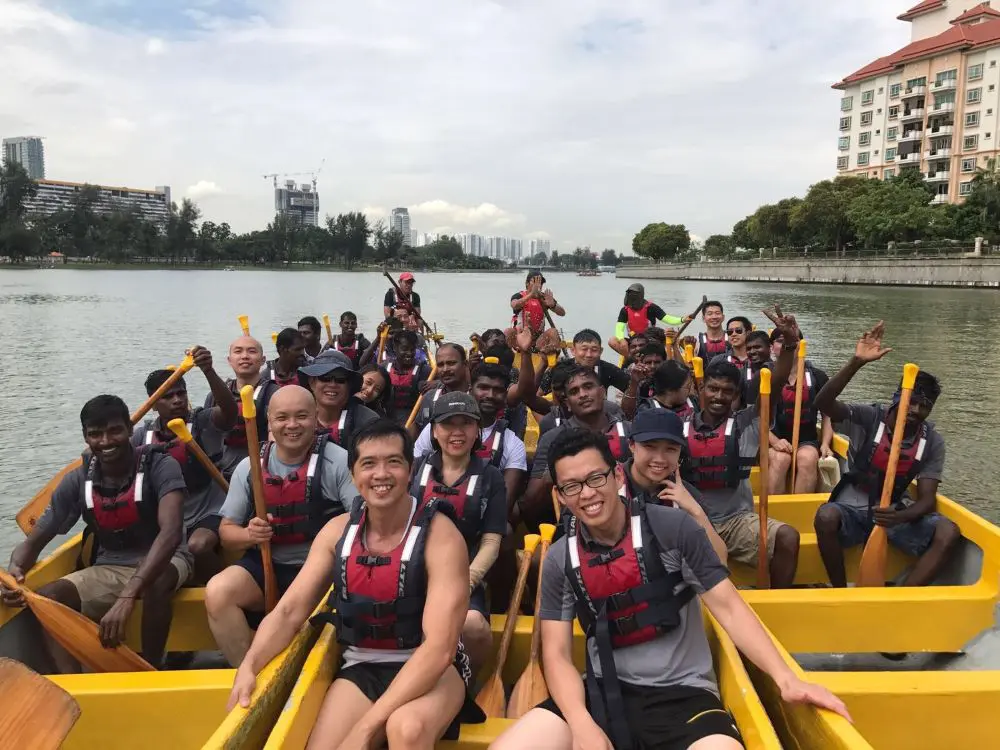
Dragonboat Mania

Take your team out on the water! Perfect for building rhythm, trust, and teamwork.

Don’t forget to adjust for fitness levels, personality types, and introvert/extrovert balance.  We’ll help you with that.
 

Customise to Fit Your Team Dynamics

Every team is different. Whether you’re managing a newly formed department, cross-functional group, or a team recovering from burnout, the experience should be tailored to your people.

We recommend:

  • Personalised ice-breakers and energisers

  • Group matching by communication styles or roles

  • Inclusive activities that keep everyone comfortable and engaged

At PulseActiv, we take time to understand your team’s needs, culture, and quirks before designing your retreat.

Leave the Logistics to the Experts

Planning a retreat doesn’t have to take over your HR team’s calendar. PulseActiv offers full-service retreat support, including:

  • Venue sourcing and booking
  • Transport and accommodation coordination
  • Meal planning and dietary considerations
  • Equipment setup and safety checks
  • Program facilitation and emceeing
  • Emergency and risk management

You get to focus on your people and we handle the rest.

Measure What Matters

How do you know your retreat was a success?

We help our clients track:

  • Participant engagement and feedback

  • Team morale before vs. after

  • Collaboration and communication improvements

  • Alignment with company vision and values

  • ROI through pre/post surveys and learning assessments

PulseActiv Tip: Always end with a post-retreat survey. Insights gathered can guide your next initiative.

Keep the Momentum Alive

Don’t let the retreat be a one-off event. Keep the good vibes going with follow-up actions like:

  • Monthly team pulse checks

  • Internal photo contests or video highlights

  • Virtual mini-challenges or games

  • Lunch-and-learn reflection sessions

  • Coaching or mini team check-ins

A good retreat starts something bigger. Make sure it leads to long-term culture change and stronger collaboration.

Conclusion: The Retreat That Works for You

A great retreat isn’t just about escaping the office, it’s about returning with purpose. With the right planning, thoughtful design, and expert support, your corporate retreat can be a springboard for deeper engagement, renewed motivation, and stronger team bonds.

At PulseActiv, we don’t just plan retreats. We craft transformational experiences — fun, meaningful, and stress-free.

Whether you’re dreaming of an adventure-filled day in nature or a deeply reflective session in a luxury retreat space, we’re here to make it happen. Explore our wide range of retreat programs or reach out today for a customised plan.

If you want to read more of our articles, click here.

Categories
Blogs

Popular Trends in Planning Team Building for 2025

Popular Trends in Planning Team Building for 2025

Team building has always been about bringing people together, but in 2025, it’s getting a glow-up. Forget stiff trust falls and awkward icebreakers—this year is all about playful, purpose-driven, and people-focused experiences. As teams crave connection in more meaningful (and entertaining!) ways, planners are getting creative.

Here’s a peek at what’s trending in the world of team-building this year—beyond the basics and into the bold.

1. Theme-Driven Adventures Are Taking Over

Why just plan an activity when you can transport your team into a whole new world? In 2025, companies are ditching generic formats and leaning into bold, immersive themes. Think Squid Game-inspired showdowns, Amazing race games, mini-Olympics, or even reality-TV-style challenges.

These aren’t just fun; they’re great for storytelling, memory-making, and ultra-shareable photos (hello, employee branding!).

2. Shorter, Punchier Programs with Maximum Energy

Gone are the days of full-day marathons. Teams want quality over quantity. Quick, high-energy bursts that don’t feel like work. In 2025, micro-events (2 to 3 hours) or half-day events are gaining steam, with carefully curated games that deliver impact fast.

Think: half-day outdoor games, rapid-fire team relays, or hilarious challenge stations. Less drag, more laughs.

3. Superpowers & Game Mechanics

Gamification is evolving beyond points and badges. Now, we’re seeing team-building events with power-ups, sabotage cards, bonus rounds, secret missions, and even plot twists.

These mechanics add strategy, unpredictability, and loads of laughter to the mix. It’s all about creating a real sense of play and yes, a little competitive drama never hurts.

4. Photo-Worthy Moments Are a Must

In 2025, if it’s not on the ‘Gram (or Slack), did it even happen? More clients are asking for “Instagrammable” setups, surprise reveals, and quirky props to spice up their events.

Whether it’s teams in outrageous costumes, epic finish line photos, or hilarious moments captured mid-challenge, these visuals boost engagement and extend the event’s buzz long after it’s over.

5. Nostalgia-Fueled Fun

Who doesn’t love a throwback? We’re seeing a wave of ’80s games, ‘90s sitcom vibes, schoolyard-inspired sports days, and classic arcade challenges popping up in team-building formats.

These nostalgic touches instantly break the ice and make people feel relaxed. Bonus: they bring different generations together in a way that feels natural and fun.

6. Everyone Plays, No More Spectators

In 2025, inclusivity is king. Team-building programs are being designed so that every person—regardless of fitness level, personality type, or department—can participate fully.

That means alternative roles, tiered difficulty, creative challenges, and a “no-pressure” atmosphere. It’s about laughter over leaderboard stress, and connection over competition.

7. Real-Time Feedback Loops

This year, companies want to know right away if their event worked. Many team-building sessions now include quick post-game feedback stations, emoji walls, or digital polls to capture how people felt—while it’s still fresh.

This helps HR & management quickly assess impact and follow up with targeted engagement actions. Plus, it gives participants a voice.

8. Bring-Your-Own-Culture Events

Team building is becoming more customised to each company’s unique DNA. In 2025, clients are co-creating programs that reflect internal lingo, values, inside jokes, and team rituals.

From custom challenge names to secret company references in games, this personal touch helps teams feel truly seen—and adds that “only-we-would-do-this” charm.

9. Wellness-Infused Challenges

While 2024 focused heavily on mental health, 2025 is blending well-being with fun. Think: relay races where teams must complete mindfulness tasks, gratitude-themed scavenger hunts, or movement-based puzzles.

The goal is simple—energise people physically and emotionally without it feeling like a wellness seminar. It’s feel-good fun in disguise.

10. DIY Challenge Stations

This year’s buzzword? Flexibility. Many teams prefer a “choose-your-own-adventure” model where they rotate through stations at their own pace. This format supports introverts, extroverts, and everything in between.

It also encourages cross-team mingling, spontaneity, and the ability to replay favourite games—perfect for bigger groups or family day-style setups.

Conclusion

2025’s team-building trends are all about creativity, connection, and fun that feels fresh. Teams want experiences that energise, bond, and leave them talking about “that one hilarious challenge” for weeks.

As a leading team-building company in Singapore, we’re already weaving these trends into our newest programs from over-the-top themes to clever game mechanics and everything in between.

Looking to plan something unforgettable this year? Let’s create an experience that’s on-trend, on-brand, and completely on fire.

If you want to read more of our articles, click here.

Family Day Mass Game Emcee Bouncy Castle Arcade Machines
Categories
Blogs

The 5 Best Outdoor Activities for Team Building in Singapore

The 5 Best Outdoor Activities for Team Building in Singapore

Looking for exciting outdoor team-building ideas in Singapore that go beyond the usual trust falls and tug-of-war? Whether you’re bonding under the sun or chasing teamwork goals with a view, these activities promise more than just fun — they’re designed to build stronger connections, sharpen problem-solving skills, and leave your team smiling (and maybe a little sweaty). Here are five of the best outdoor team-building activities that turn Singapore into your very own team adventure playground.

1. Amazing Race – Explore, Compete, and Conquer

Ready, set… strategize! The Amazing Race isn’t just a sightseeing tour — it’s a high-energy adventure that takes your team across Singapore’s most iconic spots with exciting challenges at every turn. Teams must crack clues, conquer tasks, and move quickly while working together to stay ahead. But here’s the twist: it’s not always the fastest team that wins — it’s the one that collaborates the best under pressure.

Perfect for groups who want a blend of brain and brawn, this outdoor challenge rewards teamwork, communication, and a healthy dose of laughter. Plus, it’s fully customizable and can even be brought to other parts of Asia. Your team won’t just race — they’ll bond in unforgettable ways.

Amazing Race Singapore Team Building

2. Click, Snap, Move! – Singapore Through a New Lens

Who knew that team-building could be a photo-worthy adventure? In Click, Snap, Move!, your team becomes part scavenger hunt squad, part creative crew. You’ll be exploring off-the-beaten-path spots in Singapore, snapping unique and hilarious photos to complete a series of themed challenges.

The key to winning? Quick thinking, collaboration, and an eye for detail. It’s a joyful mix of spontaneity and strategy — with plenty of unexpected laughs along the way. If you’re looking for a feel-good activity that captures memories and creativity, this one’s definitely picture-perfect.

3. The Running Man – Ridiculous Fun with a Competitive Twist

Inspired by the hit Korean variety show, The Running Man team-building experience is all about fast feet, quick reflexes, and a whole lot of unpredictable fun. Teams go head-to-head in quirky, laugh-out-loud games designed to get hearts racing and alliances forming (and maybe falling apart!).

While you won’t be chased by a celebrity, you will be challenged to outwit and outplay your opponents — all while building camaraderie and trust. Expect the unexpected in this adrenaline-pumping session that brings out everyone’s playful side.

4. Squid Game: Remake – Play to Survive, Bond to Win

Think childhood games — with a twist! Inspired by the popular series (minus the dark bits), Squid Game: Remake offers a thrilling mix of nostalgia and competitive fun. Teams must rely on clear communication and razor-sharp teamwork to survive a gauntlet of cleverly designed challenges.

What starts off as light-hearted fun quickly turns into a test of adaptability, trust, and cool-headed problem-solving. But don’t worry — nobody’s getting eliminated for real. The real win? A shared experience filled with suspense, strategy, and unforgettable moments.

Squid game past activity 2

5. Mini Olympics – Go for Gold as a Team

Take a breather from the office and get ready for your very own Mini Olympics! This lively outdoor team-building activity blends traditional sports day vibes with creative team challenges that test more than just physical ability.

From hilarious tele-matches to fringe activities that anyone can enjoy, the Mini Olympics focuses on inclusivity, teamwork, and high spirits. Whether your team is aiming for the podium or simply in it for the laughs, this is the kind of sports day that energizes and unites. Bonus: there’s even an indoor version for those unpredictable weather days!

Mini Olympics Past Activity TB 1

Conclusion

When it comes to building strong teams, nothing beats stepping outside the usual office routine and into something a little wild, creative, or competitive. From photo challenges to thrilling races and nostalgic games, these outdoor activities in Singapore offer the perfect mix of fun, collaboration, and team spirit.

So, which adventure will your team take on next?

Categories
Blogs

The 5 Key Steps to Organizing a Smooth and Engaging Team Building Event

The 5 Key Steps to Organising a Smooth and Engaging Team Building Event

Organising a successful team building event in Singapore isn’t just about fun and games—it’s about creating meaningful experiences that strengthen team bonds, align with company values, and bring long-lasting impact. Whether you’re planning your first event or looking to improve your existing strategy, following a clear roadmap makes all the difference.

Here are five essential steps to help you plan a smooth, engaging, and purpose-driven team building event—plus bonus tips to help you get it right from the start.

1. Start With a Survey

Before jumping into planning mode, ask your team what they need and want. A quick pre-event survey helps you understand everyone’s preferences, comfort levels, and what they’re hoping to get out of the experience. This insight will guide your decisions and make sure no one feels left out.

Not sure what to ask?
Read our full guide on conducting effective team building surveys.

2. Choosing the Right Team Building Vendor

Your vendor can make or break the experience. Look for a team that not only provides fun activities but also understands your goals, company culture, and logistical needs. A good vendor brings ideas, energy, and expertise—while taking the stress off your plate.

Need help choosing the perfect partner?
Check out our tips for selecting a reliable team building vendor.

3. Budgeting for Your Team Building Event

A great event doesn’t have to break the bank. Once you understand your team’s needs and preferred formats (half-day, full-day, indoor, outdoor, etc.), you can create a smart, flexible budget. Factor in venue costs, transport, meals, prizes, and facilitator fees.

Want to stretch your dollar without compromising quality?
Explore our budget planning tips for team building events.

4. Sustainable Prize Ideas That Make a Difference

Prizes are a great way to boost motivation and reward participation, but the usual plastic trophies or generic vouchers can feel forgettable. Consider sustainable, purposeful prizes that reflect your company’s values—like reusable products, plant kits, or experience-based rewards.

Looking for meaningful prize options?
Discover our top sustainable team building prize ideas.

5. Choosing CSR-Inspired Prizes

Take your event a step further by giving back. CSR (Corporate Social Responsibility) prizes—such as donations to local charities in the winners’ names—can make your team feel proud to be part of something bigger. It’s a powerful way to connect purpose with play.

Want to make a lasting impact through your prize strategy?
Learn more about CSR-focused team building prizes.

Final Thoughts

An engaging team building event isn’t just about what happens on the day. It’s about the planning that leads up to it. When you listen to your team, partner with the right people, and focus on meaningful experiences, you’ll build something far more impactful than just another office outing.

Ready to take the next step? Explore team building options crafted for connection, purpose, and fun. Contact Us for your event.

Read here about Common Mistakes You Should Avoid When Planning Your Next Team Building Event.

If you want to read more of our articles, click here.

Family Day Mass Game Emcee Bouncy Castle Arcade Machines
Categories
Blogs

9 Best Practices for Productive and Inclusive Team-Building Events

9 Best Practices for Productive and Inclusive Team-Building Events

Planning a productive and inclusive team-building event is more than just organizing games—it’s about creating meaningful experiences that bring diverse teams together. In today’s workplace, where collaboration, accessibility, and employee engagement are key, effective team-building strategies can significantly boost morale, communication, and trust.

Whether you’re looking to improve team collaboration, cater to both introverts and extroverts, or host accessible team-building activities for remote or in-person teams, following the right approach makes all the difference. From tailoring activities to your team’s needs to ensuring cultural sensitivity and dietary inclusivity, the goal is to create fun and inclusive corporate events that everyone can enjoy and benefit from.

Here are 9 best practices for team building that will help you plan events that are not only enjoyable, but also aligned with your company culture, diversity goals, and long-term team success.

1. Tailor Activities to Your Team’s Needs

Every team has unique dynamics, challenges, and goals. To ensure your team-building activities are impactful:

  • Conduct Pre-Event Surveys or Interviews: Ask team members about their preferences, concerns, and what they hope to gain from the experience. For example, if communication is a common challenge, focus on activities that emphasize collaboration and active listening.
  • Align with Organizational Goals: If your team is working on a large project or experiencing stress, activities that encourage relaxation and stress relief can be highly beneficial. Conversely, for teams undergoing reorganization, trust-building exercises might be more appropriate.
  • Balance Introverts and Extroverts: Include activities that cater to both outgoing and reserved personalities. For instance, brainstorming or problem-solving exercises allow quieter team members to contribute meaningfully without feeling pressured to perform in front of others.

2. Prioritize Accessibility and Inclusivity

Inclusivity is critical to creating a positive and equitable experience for all participants. Here’s how to ensure everyone feels valued:

  • Physical Accessibility: Choose venues that are wheelchair-accessible and offer accommodations for people with mobility challenges.
  • Cultural Sensitivity: Be mindful of activities or themes that could conflict with cultural or religious beliefs. For instance, avoid alcohol-centric events or those scheduled on religious holidays.
  • Dietary and Lifestyle Considerations: Offer a range of meal options, including vegetarian, vegan, halal, kosher, and allergy-friendly foods, if catering is involved.
  • Gender and Personality Neutrality: Ensure that the language and design of activities do not inadvertently exclude or stereotype participants based on gender or personality traits.

3. Communicate Clearly

Transparent communication ensures participants feel informed and prepared:

  • Share the Purpose: Explain why the event is being held and how it connects to broader team or organizational goals. This helps employees see the value of participating.
  • Provide a Detailed Agenda: Outline the schedule, dress code, and any materials or preparations needed. For example, if the activity is outdoors, let participants know in advance to bring suitable attire.
  • Set Expectations: Clarify whether participation is mandatory or optional and address any concerns about the event’s content or format.

4. Encourage Voluntary Participation

Team-building activities should feel inviting, not forced. When people feel coerced into participating, it can breed resentment:

  • Create a Low-Pressure Environment: Frame participation as an opportunity rather than an obligation. For instance, instead of a competitive game, consider cooperative activities where everyone contributes in their own way.
  • Offer Alternatives: For activities that involve physical or social challenges, provide less demanding options. For example, during a scavenger hunt, include roles like strategists or coordinators for those less comfortable with active tasks.

5. Build Diversity into the Program

Diverse activities keep everyone engaged and allow employees to connect in different ways:

  • Mix Structured and Unstructured Time: Include formal activities, like workshops or guided exercises, as well as informal social time for organic connections.
  • Incorporate Creativity: Artistic activities such as painting, storytelling, or cooking together can allow team members to express themselves and bond over shared creativity.
  • Vary Group Sizes: Use a combination of small-group tasks to deepen relationships and larger group challenges to foster broader team unity.

6. Leverage Professional Facilitation

An experienced facilitator can make the difference between a smooth, engaging experience and one that feels disorganized:

  • Hire Experts When Needed: If your team-building goals are complex—like addressing conflict resolution—consider bringing in a professional facilitator who can guide discussions and manage dynamics.
  • Train Internal Leaders: If budget constraints prevent hiring a professional, invest in training team leaders to effectively run the activities.

7. Incorporate Reflection and Follow-Up

The real value of team-building lies in how it translates to everyday work. Ensure your efforts have a lasting impact by:

  • Reflecting on the Experience: Dedicate time at the end of the event for participants to share insights and observations. Ask questions like, What did you learn about your teammates? How can we apply this in our work environment?
  • Capturing Feedback: Use post-event surveys to understand what worked and what didn’t. Invite participants to suggest improvements for future activities.
  • Create Action Plans: Turn takeaways from the event into actionable goals. For example, if the team-building exercise highlighted a need for better communication, plan follow-up training or workshops to address this gap.

8. Keep the Budget Balanced

Not all effective team-building activities require a large budget. Consider:

  • Low-Cost Ideas: Host an in-office potluck, a volunteer day, or a book club discussion.
  • Strategic Investments: For larger budgets, focus on experiences with lasting impact, like leadership retreats or team training programs.
  • Transparency: Share the reasoning behind budget choices to manage expectations, especially if resources are limited.

9. Consider Long-Term Engagement

Team-building shouldn’t be a one-off event. To maintain momentum:

  • Integrate Team-Building into Regular Activities: Include quick icebreakers or collaborative games in weekly meetings.
  • Establish Traditions: Annual or semi-annual events create a sense of continuity and anticipation.
  • Monitor Team Dynamics: Keep an eye on relationships and morale over time, and plan activities proactively when challenges arise.

Conclusion

By applying these best practices, you’ll not only minimize risks but also maximize the benefits of team-building events. The result? A stronger, more cohesive team ready to tackle challenges together.

If you want to read more of our articles, click here.

Here are 5 reasons why conducting a survey can significantly enhance your team building event.

Team Building Activities Singapore – PulseActiv
Categories
Blogs

How to Choose the Right Venue in Singapore for Your Corporate Event

Beyond the Brochure – How to Choose the Right Venue in Singapore for Your Corporate Event

Planning a corporate event in Singapore — be it a team-building day, staff retreat, or family carnival — begins with one key decision: the venue.

It sounds simple, but with so many options and configurations out there, choosing the right space can quickly become overwhelming.

We previously shared a basic introduction to venue types, but after hearing from clients who had follow-up questions or ran into unforeseen challenges, we decided to take things one step further.

This updated guide offers a much deeper look at how to select the right venue — covering everything from hidden fees to wet weather contingency planning and real-world tips from events we’ve managed.

Venue Types in Singapore – What Are Your Options?

Most venues in Singapore fall into one of two broad categories:

1. Venue + Food (A la carte model)

This refers to venues where you pay a rental fee for the space and engage your own caterer separately — either independently or through the venue’s preferred list.

Common examples: Marina Barrage indoor spaces, Lifelong Learning Institute, community halls

Why choose this model:

  • Typically more affordable
  • Greater flexibility in vendor and menu selection

Estimated total cost: $25–$40/pax
(Based on $10–$20 venue rental, $10–$15 catering, and $5–$10 for tables, chairs, and miscellaneous logistics)

Things to consider:

  • Not all venues include furniture, sound systems, or AV setups — these are often charged separately.
  • You’ll likely need to coordinate more logistics and vendors.

Logistics Tip:

Chair rental ranges from $1 (PVC) to $5–$10 (banquet style). Skirting adds $5–$15 per piece. Tables are around $15–$30 each. For smaller-scale events, renting through your caterer might be more cost-effective, as third-party vendors often charge $150–$250 just for delivery due to bulky item sizes.

Quick Tip:

If you’re considering this type of venue, ask if they allow soft bookings. Some venues let you hold a date temporarily (usually 3–7 days) while awaiting internal approvals. Others require full payment upfront, with no exceptions.

2. Venue With Food (Package model)

Here, you pay a per pax rate that includes use of the venue, catering, and sometimes other services like AV setup or basic logistics. These are usually hotel ballrooms, function rooms at country clubs, or private event spaces.

Why choose this model:

  • One-stop convenience — fewer vendors to manage
  • Typically offers a more premium event feel

Estimated cost range: $45–$100/pax (depending on menu, location, and additional services)

Things to consider:

  • Less flexibility — packages are often fixed and outside food is not allowed
  • Some venues have strict vendor policies or usage restrictions

Going Deeper – The Considerations Most People Miss

Venue type is just one piece of the puzzle. Here’s what you need to dig into before making your decision.

1. Hidden Costs That Catch You Off Guard

These extras can add up quickly if you don’t plan for them early:

  • Weekend or evening surcharges: Some venues have higher rates for bookings after 6pm or on Saturdays and Sundays.
  • Cleaning fees: Especially relevant for outdoor events — and not all venues allow disposal of food waste onsite.
  • Security deposits: While less common today, some venues still require this upfront.
  • AV and tech usage: Power points, projectors, microphones — all could be additional.

2. Venue Booking Timelines – Plan Backwards, Not Just Forwards

Peak months in Singapore — typically June to December — see the most competition for venues. Bigger events usually plan earlier, which limits your options if you delay.

Guidelines:

  • Large events (100+ pax): Book 3–4 months ahead
  • Small to mid-sized events: 1.5–2 months is usually sufficient

Quick Tip: Don’t just account for availability — buffer time for back-and-forth emails with venue managers. Response times vary, and for popular venues, confirmation windows can close quickly.

Soft bookings (temporary date holds) can help — but not all venues allow them, and some will release your hold without warning if another paying party comes along. Always clarify:

  • Whether soft bookings are allowed
  • How long they last
  • Whether you’ll be notified before the date is released

Real Example: We once worked with a client who thought a venue was on hold, only to find out it had been booked by someone else. A rushed last-minute venue change ended up increasing both cost and complexity.

3. Accessibility – Think Beyond Just “Near MRT”

  • Public transport: How far is the venue from an MRT station or major bus route?
  • Parking: Is there ample parking? Is it free or paid?
  • Shuttle options: Consider this if the venue is far from your main office or central hubs.
  • Setup logistics: Do vendors have easy access? Venues with limited loading zones or small lifts can slow down your setup.

4. Ambience – Match the Vibe to the Event

Choosing the wrong venue for the vibe you’re going for can reduce the experience quality — even if everything else is technically in place.

Key considerations:

  • Nature of activity: Does the layout support movement-based team building? Or more quiet, structured sessions?
  • Employee expectations: If this is your company’s third or fourth event, employees may compare with previous venues. Matching or exceeding past venues can help ensure satisfaction.
  • Natural light: Windows can improve energy and atmosphere, but dark venues are often preferred for presentations or AV-based activities.
  • Design compatibility: Is the space aligned with your brand tone — casual, creative, corporate, playful?

5. Vendor Restrictions – Know the Rules Early

Not all venues are equal when it comes to external vendors and event flexibility.

Ask these early:

  • Can I bring in my own caterer or facilitator?
  • Are there additional charges for doing so (e.g. corkage or vendor onboarding)?
  • Is alcohol allowed? (Some venues — such as schools or government-linked properties — don’t allow it at all.)

6. Wet Weather Plans – Especially for Outdoor Events

Never assume it won’t rain in Singapore — it usually will.

  • Does the venue have a nearby sheltered space?
  • Can you install tentage if needed?
  • Is the layout flexible enough to move everything indoors last minute?

Tentage installation is expensive and requires advance planning. For groups under 200 pax, we always recommend venues with a built-in wet weather contingency.

7. Setup, Teardown & Event Flow

  • Timing: Most events require at least 1 hour for setup and 1 hour for teardown — more if you have live stations, staging, or large AV setups.
  • Event flow: Is the space layout intuitive? Can people easily move between zones (e.g., activities to food)?
  • Seating: If tables aren’t necessary, chairs are still recommended — especially for older guests. U-shape or perimeter formats are efficient and clean.

Final Thoughts – What Makes a Venue the Right Fit?

Choosing the right venue goes beyond availability and cost. It’s about making sure your space:

  • Matches your activity and audience
  • Aligns with the tone and goals of your event
  • Supports your logistical needs
  • Avoids hidden pitfalls that derail planning

If your venue checks those boxes, you’re in a great place.

Need Help Choosing?

We’ve run events at hundreds of venues across Singapore — from hidden gems to high-end spaces. If you’re unsure about where to begin or just want a second opinion, we’re happy to help shortlist and recommend based on your goals.

If you want to read more of our articles, click here.

Here are 5 reasons why conducting a survey can significantly enhance your team building event.

Family Day Mass Game Emcee Bouncy Castle Arcade Machines